
The rise of electric vehicles (EVs) has reshaped almost every aspect of the automotive world—from engineering and performance to how they’re maintained and protected. For professional detailers, this shift isn’t just about adjusting to a new type of car; it’s about rethinking methods, tools, and products to match the unique needs of modern EVs.
As someone who’s spent years working on both traditional combustion cars and newer EV models, I’ve noticed subtle but important differences in how these vehicles should be treated. Let’s explore how EVs are redefining mobile detailing virginia beach—and what it means for enthusiasts and professionals alike.
Understanding the EV Surface Difference
One of the first things detailers notice with EVs is how different the paint systems can be. Many electric vehicle manufacturers prioritize eco-friendly production, using water-based paints and lighter coatings to reduce emissions. While these are great for sustainability, they can also be softer and more prone to micro-marring than traditional automotive finishes.
This means:
-
Gentle washing techniques are crucial. Two-bucket methods and high-quality microfiber mitts help prevent swirl marks.
-
pH-balanced shampoos are safer choices compared to aggressive cleaners.
-
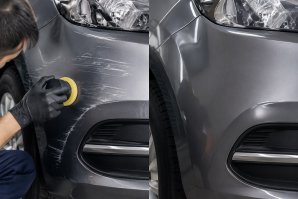
Polishing compounds should be mild and applied with soft pads to avoid cutting too deep into the clear coat.
I’ve seen many new EV owners make the mistake of thinking “new paint means durable paint.” In reality, some EV finishes need more frequent but gentler care to maintain their gloss.
Battery Safety & Cleaning Considerations
Another area where EV detailing differs significantly is in the approach to washing and underbody care. Since EVs have battery packs mounted along the chassis, using high-pressure water underneath the car can pose a risk if not handled properly.
A few important precautions include:
-
Avoid directing water jets directly at the undercarriage.
-
Use a touchless foam cannon for hard-to-reach areas instead of crawling under the vehicle.
-
Always double-check that charging ports are fully sealed before washing.
One practical insider tip: if you’re detailing an EV that’s recently been charged, let it cool for at least 30 minutes before washing. Heat from the battery and residual moisture can occasionally cause condensation in sensitive areas.
The New Age of Paint Protection
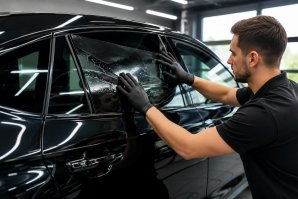
With EVs, paint protection isn’t just about aesthetics—it’s also about efficiency. The smoother and cleaner a surface is, the more aerodynamic the vehicle remains, which can have a small but measurable effect on range. That’s why ceramic coatings and paint protection films (PPF) are becoming standard for EV owners.
However, applying these protections to EVs demands precision:
-
Ceramic coatings must be evenly applied to prevent static buildup (EVs often attract dust due to electronic systems).
-
PPF installation requires special care around sensors, cameras, and radar modules embedded in bumpers and mirrors.
-
Some EVs have plastic or composite panels mixed with painted metal, which can react differently to heat during application.
According to detailing professionals in 232 Jersey Ave. Suite A Virginia Beach, VA 23462, it’s important to use coatings and films that are flexible enough to handle the heat expansion of composite materials found in many EVs.
Interior Detailing: Technology Meets Cleanliness
Inside an EV, detailers encounter an entirely new ecosystem of materials and electronics. From massive touchscreen displays to vegan leather and recycled fabrics, the cabin of an EV requires a more thoughtful approach:
-
Microfiber and distilled water are ideal for touchscreens—avoid ammonia-based cleaners that can cause streaking or damage anti-glare coatings.
-
Low-moisture steam cleaning helps sanitize interiors without risking water damage to sensors or speaker grills.
-
Non-greasy conditioners should be used on vegan leather to preserve texture and prevent shine.
One of my favorite tricks is using a soft makeup brush for cleaning tight corners around control buttons—something most people overlook, but it makes a big difference in the final presentation.
Static, Dust, and Environmental Sensitivity
EVs often carry a stronger static charge due to their electrical systems, which can attract dust more readily than gasoline cars. This becomes particularly noticeable on darker paints and glossy trims.
A few professional-level fixes include:
-
Using anti-static quick detailers after each wash.
-
Applying a thin layer of silica-based spray sealant between full coatings to reduce surface friction.
-
Grounding the vehicle (by touching metal before wiping) to minimize static buildup during polishing or drying.
These small habits may sound minor, but they can extend the “just-detailed” look significantly—especially for vehicles parked in dusty environments or near construction zones.