
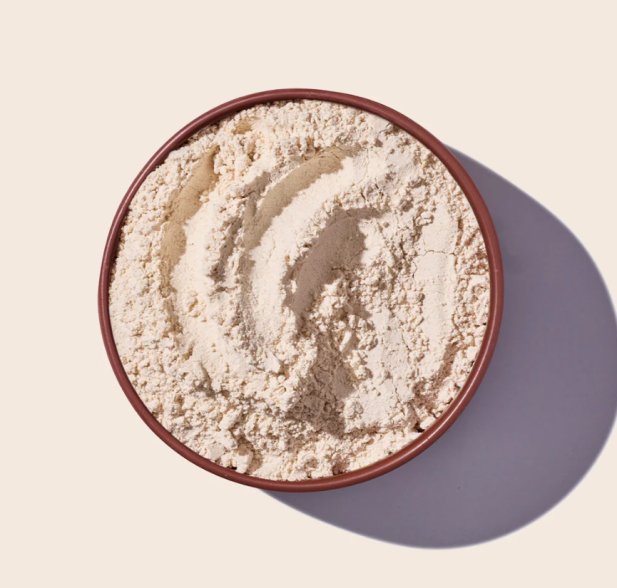

In a modern health-conscious society, we are all seeking smarter substitutes in our everyday meals, without losing taste and tradition. In case you have been rethinking your staples, then gluten-free atta may work wonders. This flour replacement not only helps to maintain a healthy diet but also serves diverse dietary requirements.
In this post, we will discuss reasons why it is best to use gluten-free atta and how such atta can be sourced and consumed in cases where the atta is produced by a reputable brand such as The Cinnamon Kitchen.
What Makes Gluten-Free Atta Different?
Gluten is a protein that provides the elasticity and structure of dough, and it is found in traditional wheat flour. In comparison, gluten-free atta is made out of naturally gluten-free grains or millets, and may be consumed by people who are gluten-sensitive or merely looking to have a lighter option.
According to The Cinnamon Kitchen, they use a combination of nutrient-enriched millets to make their gluten-free flour, providing a healthier option with lab-confirmed low glycemic index levels compared to standard whole wheat flour.
Due to this structure, gluten-free atta is beneficial to digestion, can help some prevent bloating, and offers a new twist on classic flat breads, rotis, and baked goods, without sacrificing the delight of cooking with flour.
The Nutritional Upsides of Choosing Gluten-Free Atta
The various benefits of choosing gluten-free atta are:
-
Lower Glycemic Index and Steady Energy
The Cinnamon Kitchen has reported that their gluten-free atta has been lab-tested to have a lower glycemic index than the whole wheat flour. It implies that when you make your chapati or parathas with this flour, your body will be more likely to have a more stable energy level without going through the more intense glucose spikes.
-
Richer in Millets and Nutrients
The combination of nutritious millets implies that you are not only using a replacement for the flour but a healthier base. Millets are reputed to contain good amounts of fiber, minerals, and plant-based goodness to aid in maintaining a healthy, workable diet.
-
Support for Special Diets and Digestive Comfort
Whether you’re aiming for variety in your diet, have non-celiac gluten intolerance, or simply want to reduce your body’s dependence on conventional wheat, opting for gluten-free atta opens doors for all these possibilities.
It is ideal for individuals to switch to millet-based flours if they find wheat heavy or bloating. It helps them feel refreshed and lighter.
How to Use Gluten-Free Atta in Everyday Meals?
It is not as difficult as it may sound to use gluten-free atta. Here are a few practical tips:
-
Use it in Place of Regular Atta for Rotis or Paranthas
You might have to increase or decrease the amount of water depending on the type of grain, as different grains absorb water differently.
-
Experiment by Mixing it Partial Ratio
For example, you can mix 50% gluten-free atta and 50% normal flour if you’ve just made a switch.
-
Try Baking
You can use gluten-free atta in flatbreads, savoury pancakes, and even certain cakes, making it perfect to practice in your kitchen on the weekend.
Conclusion
In case you are willing to make a considerate switch to your diet, consider the more versatile and nutrient-enriched alternative, the gluten-free atta from The Cinnamon Kitchen. It is a great supplement to any balanced diet with its millet-based blend, reduced glycemic index, and ability to fit diverse dietary requirements.
To get a reliable and good option, consider The Cinnamon Kitchen and select their gluten-free flour products today. Switch to smarter flour choices at The Cinnamon Kitchen now!
