
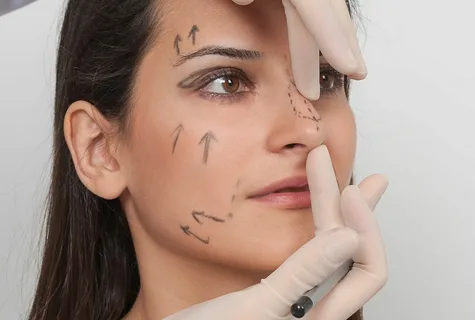

If you are considering enhancing your facial features or improving nasal function, Rhinoplasty in Islamabad could be the solution you are looking for. Rhinoplasty, commonly known as a nose job, is a surgical procedure designed to reshape, resize, or reconstruct the nose. It can address cosmetic concerns, correct breathing difficulties, or repair deformities caused by injury or congenital conditions. This comprehensive guide covers everything patients need to know about rhinoplasty, from types and procedures to recovery and FAQs.
What Is Rhinoplasty?
Rhinoplasty is a surgical procedure that alters the shape and structure of the nose. It can involve:
-
Reshaping the nasal bridge
-
Refining the nasal tip
-
Narrowing the nostrils
-
Correcting deviated septum for better airflow
The goal of rhinoplasty is to achieve a natural, harmonious look while maintaining proper nasal function.
Types of Rhinoplasty
There are several types of rhinoplasty procedures, depending on patient needs:
| Type | Purpose | Ideal Candidate |
|---|---|---|
| Open Rhinoplasty | Provides full access to nasal structures | Complex reshaping, revision surgery |
| Closed Rhinoplasty | Incisions inside nostrils for minimal scarring | Minor cosmetic adjustments |
| Revision Rhinoplasty | Corrects previous unsuccessful rhinoplasty | Patients with functional or aesthetic issues |
| Septoplasty | Corrects deviated septum | Patients with breathing difficulties |
| Ethnic Rhinoplasty | Preserves cultural facial features while improving shape | Patients seeking subtle aesthetic refinement |
Choosing the right type depends on your nasal anatomy, goals, and consultation with a qualified surgeon.
Understanding Nasal Anatomy
Before undergoing Rhinoplasty in Islamabad, understanding nasal anatomy is essential. The nose consists of:
-
Nasal Bones: Form the upper part of the nose.
-
Cartilage: Includes upper and lower lateral cartilages, shaping the tip and bridge.
-
Septum: Separates nostrils and supports airflow.
-
Skin and Soft Tissue: Determines how underlying changes appear externally.
A surgeon evaluates these components to ensure both functional and aesthetic results.
Who Is a Good Candidate?
Rhinoplasty is suitable for:
-
Individuals seeking cosmetic enhancement of the nose
-
Patients with breathing difficulties due to structural issues
-
Those with congenital deformities or injuries
-
Adults whose nasal growth is complete (usually 16–18 years old)
Patients should have realistic expectations and be in good overall health.
The Rhinoplasty Procedure
The procedure typically involves the following steps:
-
Anesthesia: Local or general anesthesia ensures comfort.
-
Incision: Either inside the nostrils (closed) or across the columella (open).
-
Reshaping: Surgeon adjusts bone and cartilage to achieve desired shape.
-
Correction: Functional issues, such as deviated septum, are addressed.
-
Closing Incisions: Skin is re-draped, and sutures are applied.
-
Splint and Dressings: Protects the nose during initial healing.
Surgery duration ranges from 1.5 to 3 hours, depending on complexity.
Recovery and Aftercare
Proper post-operative care is crucial for optimal results:
-
Swelling and Bruising: Common in the first 1–2 weeks.
-
Splint Removal: Usually occurs within 7–10 days.
-
Activity Restrictions: Avoid strenuous activities, heavy lifting, and bending for 2–3 weeks.
-
Diet: Soft, nutrient-rich foods support healing.
-
Follow-Up Visits: Regular check-ups ensure proper recovery.
Most patients can resume normal activities within 2–3 weeks, with final results visible in 6–12 months.
Benefits of Rhinoplasty
| Benefit | Description |
|---|---|
| Aesthetic Improvement | Enhances facial harmony and appearance |
| Functional Enhancement | Corrects breathing issues |
| Boosted Confidence | Improves self-esteem and social interactions |
| Correction of Deformities | Fixes congenital or injury-related nasal issues |
Rhinoplasty combines cosmetic and functional improvements for holistic results.
Risks and Considerations
As with any surgery, rhinoplasty carries some risks:
-
Infection
-
Bleeding
-
Swelling and bruising
-
Temporary numbness
-
Unsatisfactory aesthetic outcome (sometimes requiring revision)
Choosing a skilled and experienced surgeon significantly reduces complications and ensures better results.
FAQs About Rhinoplasty
Q1: How long does rhinoplasty surgery take?
Typically, 1.5–3 hours, depending on the complexity and type of procedure.
Q2: Will there be visible scars?
Closed rhinoplasty leaves no visible scars. Open rhinoplasty leaves minimal, well-hidden scars on the columella.
Q3: When will I see the final results?
Most swelling subsides within a few weeks, but subtle changes may take 6–12 months.
Q4: Is rhinoplasty painful?
Discomfort is generally mild and manageable with prescribed medications.
Q5: Can rhinoplasty correct breathing problems?
Yes. Many patients combine cosmetic rhinoplasty with septoplasty for improved nasal function.
Conclusion
Rhinoplasty is a transformative procedure that addresses both cosmetic and functional concerns. Whether your goal is to refine the nasal tip, straighten the bridge, or improve breathing, understanding the procedure, nasal anatomy, and recovery process is crucial. By consulting an experienced surgeon, patients can achieve natural-looking, harmonious results.
For those seeking expert care, Dynamic Aesthetic Clinic offers comprehensive Rhinoplasty in Islamabad, combining surgical precision with personalized treatment plans. Their team ensures each patient receives professional guidance from consultation to recovery, delivering safe, effective, and aesthetically pleasing results.


Cricbet99, Cricbet99 club, Cricbet99 win
Cricbet99 brings you real thrills in sports betting & casino games. Play safely with UPI, get local support, and enjoy seamless gaming on mobile!
Visit Now - https://cricbets99app.com/