
Introduction
Block Blast is just a game, but it teaches surprising lessons about decision-making, patience, and adaptation. Stripped of narrative and character, the game forces you to confront pure strategic thinking. The metaphors are uncanny: how you build early determines what you can build later. Poor placements limit future options. Flexibility is valuable. Long-term thinking beats short-term gains. If you squint, Block Blast isn't just entertainment—it's a meditation on life principles wrapped in satisfying visuals.
Main Content
The Principle: Early Decisions Echo
In Block Blast, mistakes made in the first five moves often cause failure ten moves later. A poorly placed block early creates a dead zone that eventually chokes off all possibilities. This mirrors real life perfectly: career decisions, relationship choices, financial moves—actions taken early constrain or expand future options dramatically.
The game teaches this through experience rather than lecture. You place a block carelessly, forget about it, and suddenly six moves later you're locked out of meaningful plays. You learn viscerally that foresight saves you pain.
The Principle: Flexibility Is a Resource
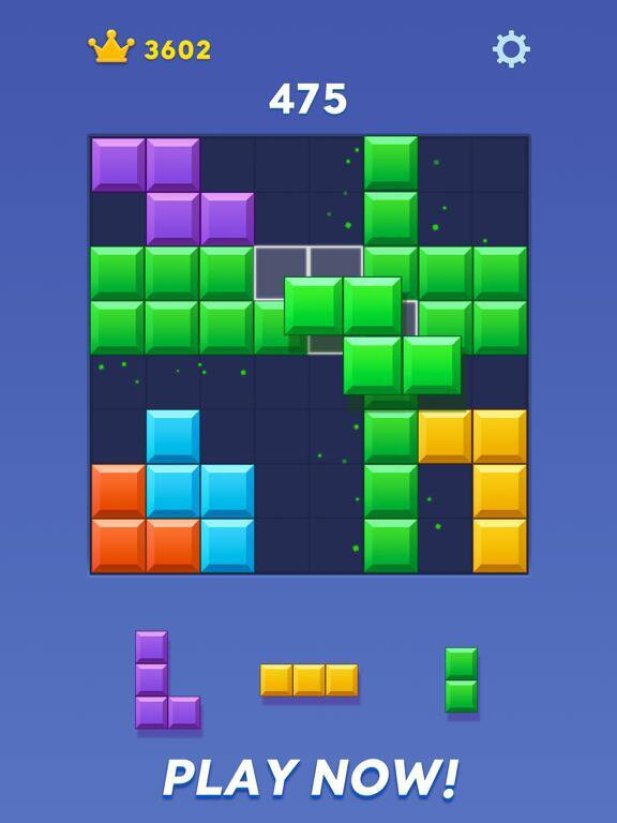
Experienced Block Blast players hoard open space like treasure. A crowded board is a dying board. An open board is alive with possibilities. This maps onto how flexible people navigate uncertainty. They preserve optionality. They don't commit to rigid plans. They keep their options open until necessary.
Block Blast transforms this abstract wisdom into visual reality. Open space literally extends your runway. Tight spaces literally kill your game. The game makes the principle undeniable.
The Principle: Patience Pays Off
No timer means no pressure to decide immediately. Yet many players rush anyway, driven by anxiety or impatience. The game punishes this. Taking two extra seconds often prevents mistakes that cascade into failure. This lesson—that rushing amplifies errors—is profound yet simple.
In real life, people often rush into decisions under time pressure that doesn't actually exist. They submit work before reviewing it. They make purchases impulsively. They say things they regret. Block Blast teaches (through play) that most decisions benefit from a pause.
The Principle: Optimization Is Secondary to Viability
New players optimize constantly: "Where is the absolute best position for this block?" Experienced players think differently: "Where can this block go that doesn't create problems?" Viability (can it work?) often matters more than optimization (is it perfect?).
This maps onto real-world decision-making. Most decisions don't have one "perfect" answer. Many decent options exist. The goal isn't perfection—it's selecting a viable path that keeps your future open.
The Principle: Reflection Accelerates Growth
After each loss, taking 10 seconds to review the board accelerates learning dramatically. This single habit—reflection—is applicable everywhere. Journaling, reviewing decisions, asking "what went wrong?"—these practices compound learning far faster than repetition alone.
Block Blast embeds this principle naturally. The board at game-end tells a story. Reading that story teaches lessons that carry forward.
The Principle: Process Beats Outcome
You can make perfect decisions and still lose due to unlucky block shapes. Conversely, you can make mediocre decisions and win due to fortunate shuffles. Block Blast teaches you to focus on process (did I think this through?) rather than outcome (did I win?).
This reframes success entirely. A "failed" run where you played strategically is actually a success. A "won" run where you stumbled luckily is actually an incomplete victory. This perspective reduces frustration and builds genuine confidence—you know you're improving regardless of short-term outcomes.
Why This Matters
Block Blast doesn't lecture. It doesn't explain philosophy. It simply embeds these principles into its mechanics and lets you experience them. That's why the lessons stick. You don't hear "patience matters"—you live it. You don't read "flexibility is valuable"—you feel it when an open board saves a run.
Games like this are rare because they combine engagement with insight. They're fun AND meaningful. They entertain AND educate through experience rather than instruction.
Conclusion
Block Blast is deceptively simple on the surface: place blocks, clear lines, repeat. But underneath is a philosophy about decision-making, planning, adaptation, and growth. The game teaches through doing rather than explaining. That's its magic. Players leave not just entertained, but subtly wiser—carrying forward principles they internalized through play. In our noisy world, games that offer both satisfaction and insight are precious. Block Blast is one of them.