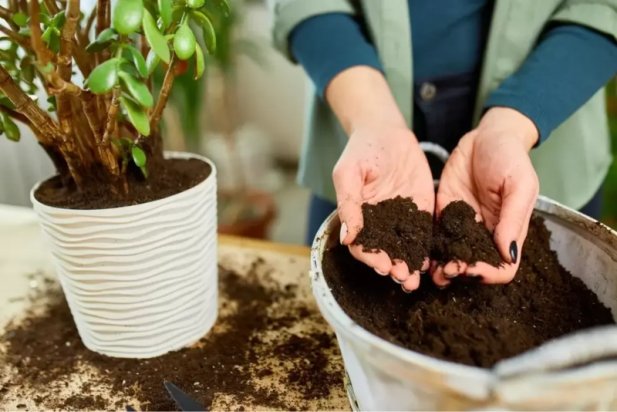

Indoor gardening has evolved from a hobby into a precision driven practice. Modern growers expect consistency, cleanliness, and performance from every input they use. Among all inputs, soil remains the most critical. Choosing the right supplier is no longer optional. It directly impacts plant health, yield quality, and long term success.
This guide explains how professional indoor growers evaluate soil suppliers, what truly defines quality, and why sourcing from trusted partners matters more than ever.
Why does soil quality matter so much indoors?
Indoor environments remove natural buffers. There is no rainfall to flush salts. No natural soil regeneration. Every variable is controlled, which means every weakness is amplified.
High quality indoor soil must deliver
Balanced structure for roots
Stable nutrient availability
Consistent moisture retention
Freedom from pests and pathogens
Poor soil leads to compacted roots, nutrient lockout, fungal outbreaks, and inconsistent growth. For commercial and serious home growers, soil quality is a profit and performance factor, not a preference.
What defines a trusted soil supplier today?
Not all suppliers operate at the same standard. Trust is built through repeatable quality and transparent processes, not marketing claims.
A reliable supplier demonstrates
Documented raw material sourcing
Batch level quality control
Clean and controlled production environments
Clear technical specifications
Trusted Indoor Gardening Soil Suppliers understand that growers depend on predictability. Each bag must behave like the last one. That level of consistency requires experience, testing, and accountability.
How is indoor gardening soil different from outdoor soil?
Indoor soil is engineered, not collected. It is designed to perform within confined containers under artificial lighting and controlled irrigation.
Key differences include
Lighter texture for oxygen flow
Precise organic matter ratios
Lower pathogen risk
Controlled electrical conductivity
Outdoor soil varies naturally. Indoor soil must not. Professional growers choose suppliers who specialize in indoor formulations rather than repurposed garden soil.
What ingredients signal high performance soil?
The best soils balance biology, physics, and chemistry. Each component plays a specific role.
Common high quality components include
Coco based substrates for aeration and moisture balance
Peat or composted organics for nutrient buffering
Mineral additives for structure stability
Natural amendments to support microbial life
The ratio matters as much as the ingredients themselves. Skilled suppliers fine tune blends based on plant type, growth stage, and irrigation method.
Can soil impact yield and crop quality?
Absolutely. Soil directly affects root health, and roots determine nutrient uptake. Healthy roots mean faster growth, stronger stems, and better flowering or fruiting.
Growers using premium soil often report
More uniform plant development
Improved nutrient efficiency
Reduced disease pressure
Higher final yields
Indoor operations cannot afford trial and error. Soil must perform from day one.
How do suppliers support grower success beyond products?
Top suppliers act as partners, not just vendors. They understand real world growing challenges and provide practical guidance.
Support may include
Usage recommendations
Crop specific soil blends
Troubleshooting insights
Feedback driven product improvements
This relationship driven approach separates commodity sellers from true Indoor Gardening Soil Suppliers focused on long term grower success.
What role does sustainability play in soil sourcing?
Modern growers increasingly value sustainability alongside performance. Responsible suppliers balance both.
Indicators of sustainable practices include
Renewable raw materials
Efficient water usage in processing
Minimal chemical inputs
Responsible waste management
Sustainability also protects supply chains. Ethical sourcing ensures consistent availability and quality over time.
How can growers verify supplier credibility?
Serious growers do their homework. Trust is verified, not assumed.
Key evaluation steps include
Requesting technical data sheets
Checking batch consistency over time
Reviewing customer case studies
Assessing production transparency
Established suppliers welcome scrutiny. They know confidence comes from openness and results.
Why consistency matters more than low pricing?
Cheap soil often costs more in the long run. Variability leads to crop losses, labor waste, and unpredictable outcomes.
Consistent soil delivers
Reliable watering schedules
Predictable nutrient behavior
Stable plant performance
Professional growers prioritize reliability. Trusted suppliers price for quality, not shortcuts.
Who should use professionally formulated indoor soil?
Indoor soil is not only for large commercial operations. It benefits
Urban gardeners
Hydro hybrid growers
Nurseries and propagation units
Vertical farming setups
Any grower operating in a controlled environment gains from using soil designed for indoor precision.
How does industry expertise translate into better soil?
Experience shapes formulation decisions. Suppliers with deep industry knowledge understand how soil interacts with lighting, irrigation systems, and crop genetics.
One example is Keltech Energies, a brand recognized for combining technical expertise with consistent substrate performance. Their approach reflects what modern growers expect from a professional supplier.
What should modern growers prioritize when choosing a supplier?
The decision should be based on performance data, not branding alone.
Focus on
Proven consistency
Ingredient transparency
Grower focused support
Scalable supply capability
The right supplier becomes part of your growing system.
Final thoughts
Indoor gardening rewards precision and punishes shortcuts. Soil sits at the foundation of every successful grow, influencing roots, nutrients, and outcomes from start to finish.
Choosing trusted Indoor Gardening Soil Suppliers ensures that your plants grow in a medium designed for control, consistency, and performance. For modern growers, that trust is not optional. It is essential.