
Humidity can ruin a good floor. It can cause warping, swelling, and even mold. So, before you choose new flooring, you need a smart plan. That is where a flooring contractor in Staten Island NY can help. Because Staten Island has coastal air, homes often face high moisture levels. As a result, floors must handle damp air and seasonal changes.
However, many homeowners pick floors based only on looks. Then later, they deal with gaps or buckling. That feels frustrating and costly. So, it helps to understand how humidity affects each material. A skilled contractor explains your options clearly. More importantly, they help you avoid mistakes before installation starts.
Flooring Contractor in Staten Island NY Understands Local Humidity
Humidity levels in Staten Island often rise in summer. Meanwhile, winter heat can dry the air inside your home. Because of this swing, floors expand and shrink. A Flooring Contractor studies these patterns first. Then, they check your home’s ventilation and moisture levels. After that, they recommend materials that can handle the change. According to the EPA (Environmental Protection Agency), indoor humidity should stay between 30% and 50%. If it rises above that, mold may grow. So, flooring choice matters.
“Moisture control starts before the first plank is laid.”
For example, basements often stay damp. Therefore, solid hardwood may not work well there. Instead, waterproof vinyl or tile performs better. So, local knowledge makes a huge difference.
How Humidity Damages Different Flooring Types
Not all floors react the same way. Therefore, you need to know the risks.
Here is a simple table:
|
Flooring Type |
Reaction to Humidity |
Risk Level |
|---|---|---|
|
Solid Hardwood |
Expands and cups |
High |
|
Engineered Wood |
More stable |
Medium |
|
Laminate |
Swells at edges |
Medium |
|
Luxury Vinyl |
Waterproof |
Low |
|
Tile |
Moisture resistant |
Low |
Because wood absorbs moisture, it often changes shape. As a result, boards may lift or crack. Meanwhile, vinyl repels water. So, it works well in kitchens and basements. A contractor explains these facts clearly. Then, you can compare choices with confidence.
Signs Your Home Has Moisture Problems
Before picking flooring, check your space. Otherwise, you may install the wrong material.
Look for these signs:
- Musty smells
- Peeling paint
- Condensation on windows
- Warped baseboards
- Mold spots
If you notice these issues, act quickly. Because moisture spreads fast, damage can grow worse over time. A flooring contractor in Staten Island NY often uses a moisture meter. This tool checks the subfloor before installation. If the moisture is too high, they pause the project. That step protects your investment. More importantly, it prevents future stress.
Subfloor Checks Matter More Than You Think
Many people focus on the surface. However, the subfloor plays a huge role. If the subfloor holds moisture, new flooring will fail. Therefore, contractors test concrete slabs and wooden bases first.
Here is what they may do:
- Measure moisture levels
- Inspect cracks
- Add vapor barriers
- Improve ventilation
Because proper prep reduces risk, this step cannot be skipped.
“Good flooring starts under your feet.”
So, while it may seem small, subfloor work prevents big problems later.
Best Flooring Choices for Humid Homes
Now let’s explore smart options. Each works differently in humid spaces.
Luxury Vinyl Plank (LVP)
Because it is waterproof, LVP handles spills and damp air well.
Porcelain Tile
Since tile does not absorb water, it works well in bathrooms and basements.
Engineered Hardwood
It has layers that resist movement. Therefore, it stays more stable than solid wood.
Bamboo
It resists moisture better than many woods. However, quality varies.
A flooring contractor in Staten Island NY explains these pros and cons. Then, you can match the right floor to each room.
Why Proper Installation Reduces Moisture Damage
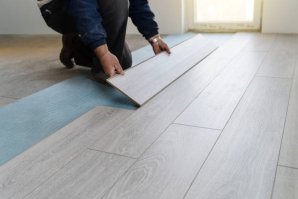
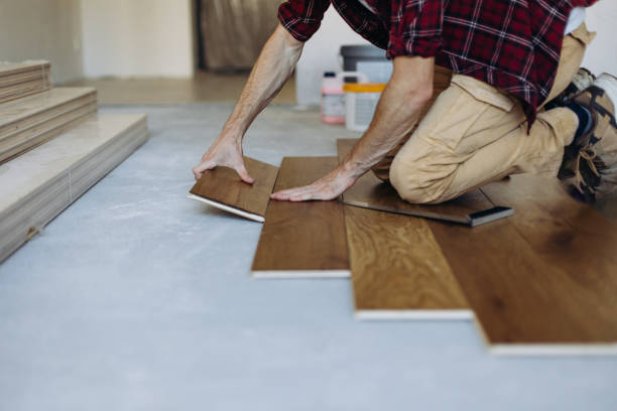
Even the best material fails if installed poorly. So, technique matters. For example, floors need space to expand. Therefore, contractors leave small gaps along walls. This is called an expansion gap. Without this space, boards can press against each other. As a result, they may buckle or lift. Proper spacing allows natural movement during humid months.
In addition:
- They acclimate wood before installing.
- They seal seams carefully.
- Also, they use proper underlayment.
Because these steps allow airflow and movement, floors last longer. A skilled flooring contractor follows industry standards closely. So, you avoid common mistakes like buckling or lifting edges.
Smart Home Habits That Protect Floors
Choosing the right floor is step one. However, daily habits matter too.
Here are simple actions:
- Use a dehumidifier in summer.
- Fix leaks fast.
- Keep indoor humidity balanced.
- Wipe spills quickly.
- Use rugs near doors.
Because small habits prevent large damage, they save money over time. According to home studies, moisture damage costs billions yearly. Therefore, prevention always costs less than repair. So, think of flooring as a team effort between you and your contractor.
Questions to Ask Before You Decide
Before signing any contract, ask clear questions. That way, you stay informed.
Consider asking:
- What is the moisture reading in my home?
- Which floor works best for my room?
- Do I need a vapor barrier?
- How long should the floor acclimate?
- What maintenance does it require?
Because knowledge builds trust, good contractors answer openly. A flooring contractor in Staten Island NY should explain choices in simple terms. If answers feel rushed or unclear, ask again. Remember, your home deserves careful planning.
Ready to Protect Your Floors From Humidity?
If you are worried about moisture damage, call Davids Flooring of NY today and get the right guidance for your home. Humidity will not fix itself. Instead, it slowly weakens your floors and costs you more later. So, make a smart move now and protect your investment with expert help you can trust.