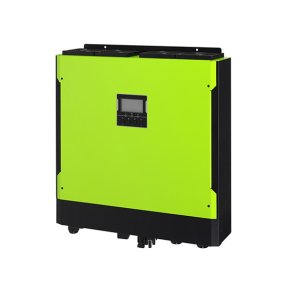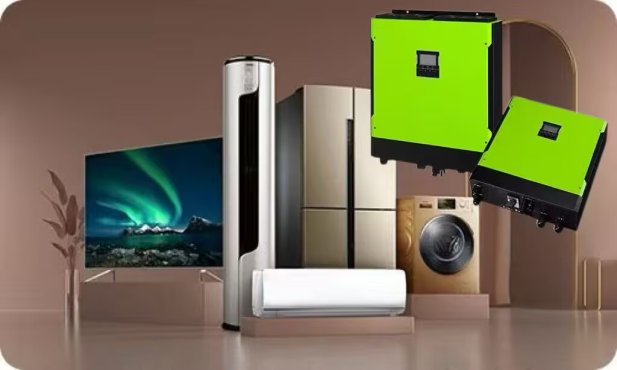

As the global push toward renewable energy accelerates, solar power continues to lead the transition. Yet, generating electricity from sunlight is only part of the equation—efficiently managing, storing, and using that energy is equally critical. This is where hybrid solar inverters come into play, and increasingly, artificial intelligence (AI) is enhancing their capabilities to create smarter, more resilient energy systems.
What Are Hybrid Solar Inverters?
A hybrid solar inverter is an advanced device that combines the functions of a traditional solar inverter with a battery inverter. In a standard solar setup, an inverter converts direct current (DC) generated by solar panels into alternating current (AC) used by homes and businesses. A hybrid inverter goes further by managing energy from multiple sources—solar panels, battery storage systems, and even the electrical grid.
This integration allows users to store excess solar energy in batteries for later use, rather than sending it back to the grid. As a result, hybrid systems provide greater energy independence, improved efficiency, and backup power during outages.
Key Advantages of Hybrid Systems
Hybrid solar inverters offer several important benefits:
-
Energy Storage Integration: Seamlessly store surplus solar energy for nighttime or peak-demand use.
-
Grid Flexibility: Operate both on-grid and off-grid, ensuring continuity during power disruptions.
-
Cost Savings: Reduce reliance on grid electricity and optimize energy consumption.
-
Scalability: Easily expand systems with additional batteries or panels.
The Role of Artificial Intelligence
Artificial intelligence is transforming hybrid solar systems from passive energy tools into intelligent energy managers. By analyzing data in real time, AI can optimize how energy is generated, stored, and consumed.
1. Smart Energy Management
AI algorithms monitor household or industrial energy usage patterns and predict future demand. Based on this, the system decides when to store energy, when to use it, and when to draw from or feed into the grid.
2. Predictive Maintenance
AI can detect anomalies in system performance, such as declining panel efficiency or battery degradation. Early detection helps prevent costly failures and extends the lifespan of equipment.
3. Weather Forecast Integration
By incorporating weather data, AI can anticipate solar generation levels. For example, on a cloudy day, the system may prioritize storing energy in advance or adjusting usage to maintain efficiency.
4. Dynamic Pricing Optimization
In regions with time-of-use electricity pricing, AI can determine the most cost-effective times to use stored energy versus grid power, maximizing financial savings.
Real-World Impact
The combination of hybrid solar inverters and AI is particularly valuable in both residential and commercial settings. Homeowners benefit from lower energy bills and increased reliability, while businesses gain better control over energy costs and sustainability goals.
In remote or underserved areas, these intelligent systems can provide stable electricity without relying heavily on traditional infrastructure, supporting energy access and resilience.
Challenges and Considerations
Despite their advantages, hybrid AI-driven systems come with challenges:
-
Initial Cost: Higher upfront investment compared to conventional systems.
-
Complexity: Requires proper setup, configuration, and sometimes technical expertise.
-
Data Privacy and Security: AI systems rely on data, raising concerns about protection and usage.
Looking Ahead
As technology continues to evolve, hybrid solar inverters integrated with AI are expected to become more affordable, efficient, and widely adopted. Innovations in machine learning, battery technology, and smart grids will further enhance their capabilities.
Ultimately, these systems represent a crucial step toward a decentralized, intelligent energy future—one where power is not only renewable but also smartly managed to meet the needs of a rapidly changing world.
Conclusion
Hybrid solar inverters, combined with artificial intelligence, are redefining how we generate and use energy. By bridging renewable generation with intelligent control, they offer a powerful solution for sustainable, efficient, and resilient power systems. As adoption grows, they will play a key role in shaping the next generation of clean energy infrastructure.