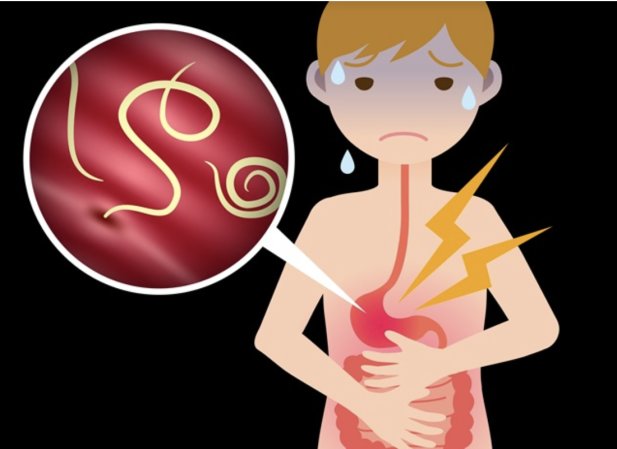

Parasitic worm infections also known as helminth infections remain a major public health concern, particularly in regions with limited sanitation and hygiene infrastructure. These infections are caused by organisms such as roundworms, hookworms, and tapeworms, which can enter the human body through contaminated food, water, soil, or poor personal hygiene practices. While medical treatments, including Nizonide 500 mg, are effective in managing infections, prevention through proper hygiene remains the most sustainable and impactful strategy.
Understanding Parasitic Worm Infections
Parasitic worms thrive in environments where sanitation is inadequate. They are commonly transmitted through the fecal-oral route, meaning that microscopic worm eggs or larvae from contaminated feces enter the human body via ingestion. In some cases, larvae can penetrate the skin, especially when individuals walk barefoot on contaminated soil.
Common symptoms of worm infections include abdominal pain, diarrhea, fatigue, malnutrition, and in severe cases, organ damage. Children are particularly vulnerable, as infections can impair growth, cognitive development, and overall health.
The Critical Role of Hygiene
Hygiene acts as the first line of defense against parasitic infections. It disrupts the transmission cycle of worms and reduces exposure to infectious stages of parasites. Below are the key hygiene practices that play a vital role:
1. Hand Hygiene
Regular and proper handwashing is one of the simplest yet most effective ways to prevent infection. Hands should be washed thoroughly with soap and clean water:
- Before eating or preparing food
- After using the toilet
- After handling soil, waste, or animals
Soap helps remove dirt, organic material, and parasite eggs that may cling to the skin. Without proper hand hygiene, individuals risk ingesting these pathogens unknowingly.
2. Safe Food Practices
Food contamination is a major route of infection. Hygiene in food handling includes:
- Washing fruits and vegetables thoroughly, especially if consumed raw
- Cooking meat properly to kill any parasites present
- Avoiding street food or unhygienic food sources in high-risk areas
Improperly washed produce or undercooked meat can harbor worm larvae or eggs, making dietary hygiene essential.
3. Clean Drinking Water
Contaminated water is a significant source of parasitic infections. Ensuring access to safe drinking water involves:
- Boiling or filtering water before consumption
- Using clean storage containers
- Avoiding untreated water from rivers, lakes, or open wells
Water sanitation systems and household-level purification methods can dramatically reduce infection rates.
4. Sanitation and Waste Disposal
Proper disposal of human waste prevents soil and water contamination. Open defecation, still practiced in some areas, contributes heavily to the spread of worms.
Effective sanitation measures include:
- Using toilets or latrines
- Maintaining clean and functional sewage systems
- Ensuring proper disposal of child feces
Community-level sanitation infrastructure is crucial in breaking the transmission cycle.
5. Personal Cleanliness
Maintaining overall personal hygiene reduces the likelihood of infection:
- Keeping nails trimmed and clean to avoid harboring dirt and eggs
- Bathing regularly, especially after exposure to soil
- Wearing clean clothes
Children often play in contaminated environments, making parental supervision and hygiene education essential.
6. Foot Protection
Some parasites, such as hookworms, can penetrate the skin. Walking barefoot on contaminated soil increases risk. Wearing shoes or sandals provides a simple yet effective barrier.
Hygiene in Community and Public Health
Individual hygiene practices must be complemented by community-level interventions. Public health campaigns play a significant role in educating populations about hygiene and sanitation.
School-Based Hygiene Education
Teaching children about handwashing, safe food practices, and sanitation creates lifelong habits. Schools can serve as centers for hygiene promotion and deworming programs.
Mass Deworming Programs
In endemic areas, periodic administration of antiparasitic medications helps control infection rates. Drugs like nizonide 500mg are often prescribed as part of treatment strategies, especially when infections are diagnosed. However, without hygiene improvements, reinfection remains a major challenge.
Infrastructure Development
Governments and organizations must invest in:
- Clean water supply systems
- Sanitation facilities
- Waste management systems
These structural improvements significantly reduce environmental contamination.
The Interplay Between Treatment and Prevention
While medications are essential for treating existing infections, they do not provide immunity. This means individuals can easily become reinfected if hygiene practices are not maintained.
For example, a patient treated with Nizonide 500 mg may recover quickly, but if they continue to consume contaminated water or neglect hand hygiene, the infection can recur. Therefore, treatment must always be paired with preventive measures.
Challenges in Maintaining Hygiene
Despite its importance, maintaining proper hygiene can be difficult in certain contexts:
- Lack of access to clean water
- Poverty and overcrowding
- Limited awareness or education
- Cultural practices
Addressing these challenges requires a multifaceted approach involving education, infrastructure, and policy changes.
Long-Term Benefits of Hygiene
Investing in hygiene yields significant long-term benefits:
- Reduced healthcare costs
- Improved quality of life
- Enhanced productivity and school attendance
- Lower transmission of multiple infectious diseases, not just worms
Hygiene interventions often have a ripple effect, improving overall public health outcomes.
Conclusion
Hygiene plays a foundational role in preventing parasitic worm infections. While medical treatments like Nizonide 500 mg are effective in managing infections, they cannot replace the need for preventive strategies. Proper handwashing, safe food and water practices, sanitation, and personal cleanliness are essential in breaking the cycle of transmission.
Ultimately, the fight against parasitic infections is not solely a medical challenge but a behavioral and infrastructural one. By prioritizing hygiene at both individual and community levels, it is possible to significantly reduce the burden of these infections and promote healthier, more resilient populations.