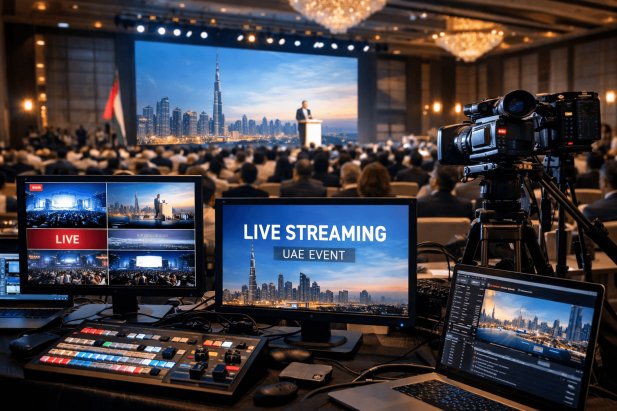

Over time, the event landscape has evidently changed, and that is the main reason for introducing different types of event formats into the scene. Each format can offer different advantages, whether it is a virtual, hybrid, or in-person event format. But there is one element that is mostly common in all three formats, and that is livestreaming
Livestreaming for events can play a huge role in all three types of events in expanding reach, delivering measurable outcomes, and improving engagement.
Today, we are here to talk about all types of event formats and how event livestreaming solutions, platforms, and technology are shaping all of them and leaving their impact comparatively. So, let us get started.
Understanding Event Formats in 2026
In-Person/Physical Events
The traditional way of an event where attendees gather at a physical venue. The major highlight of these events are their direct networking opportunities, immersive experiences, and in-person interactions.
However, physical events have their own limitations, such as geographical limitations, restricted audience capacity, travel, and accommodation costs. This is why livestreaming for events brings so much value to the table. It expands the event’s reach beyond the physical venue.
Virtual Events
Virtual events are completely conducted online, either on a single platform or multiple virtual event streaming platforms. They are known for their cost-effectiveness and accessibility.
Virtual events have several advantages, like lower operational costs, global audience reach, and easy content distribution. Besides all these advantages, virtual events lack the personal connection factor that physical events offer.
Hybrid Events
Hybrid events give organizers the privilege to combine the advantages of in-person and virtual events. Organizers can host attendees at a physical venue while engaging a virtual audience simultaneously.
This event format is capable of providing better participation, balanced engagement, and enhanced flexibility.
Importance of Livestreaming for Events
One thing that can connect all three vent types is livestreaming. It acts like a bridge between them and helps you enhance the reach of physical events or empower the experience of virtual events. Livestreaming for events plays a huge role in the following things:
Improving Engagement
Organizers can add interactive features such as live Q&A sessions, polls, surveys, live chat, and networking tools with the help of live streaming technology for events.
All these features can help you improve your engagement across both physical and hybrid audiences.
Enhancing Event Accessibility
Livestreaming can make sure that your attendees who cannot travel to the physical venue still have access to the event. This will require efficient virtual event streaming platforms to make inclusive event strategies for a better experience.
Expanding Audience Reach
If you are thinking beyond physical limitations, then you need event livestreaming solutions. One of the best things about these solutions is that they can attract a global audience. So, in-person events can also reach audiences across the world through livestreaming.
Hybrid Event Livestreaming vs Virtual vs In-Person
Comparison of Audience Reach
You can understand audience reach by knowing the possible capacity of hosting the number of attendees.
-
Physical Events- Depends on venue capacity and is limited to it
-
Virtual Events- Unlimited global reach
-
Hybrid Events- Includes both virtual and physical audience
Clearly, hybrid event livestreaming can offer the widest range of audiences by merging both physical and virtual worlds.
Engagement levels comparison
-
Physical Event- Strong and reliable face-to-face interaction
-
Virtual Events- Digital engagement tools
-
Hybrid Events- A combination of both
Now, we can say hybrid events can increase ROI by reaching larger audiences without significantly increasing costs by using event livestreaming solutions.
Cost Comparison
-
Physical Events- Higher expenses due to venue and logistics costs
-
Virtual Events- Lower operational costs
-
Hybrid Events- Balanced expenses with wider returns on investment
Hybrid events not only can maximize ROI but also reach wider audiences without increasing the total cost of the event. This is all possible by using event livestreaming solutions.
Scalability and Flexibility Comparison
-
Physical Events- Limited flexibility and scalability
-
Virtual Events- Highly flexible and scalable
-
Hybrid Events- Provides both physical presence and flexibility
Hybrid events are the most preferred option for organizers who seek adaptability based on this analysis.
Why Livestreaming is a Win across All Formats
-
Extends event lifespan- With the help of livestreaming, content can be recoded and reused. Attendees can easily access sessions whenever they want and can also share them with other people. It increases the event lifespan and long-term value even after the event ends.
-
Data-driven decisions- Modern event livestreaming solutions can provide real-time analytics to make informed decisions during the event. You can gain insights like viewer engagement, interaction rates, and session attendance. It can help you improve strategies for future events.
-
Better brand visibility- It is a fact that businesses can easily expand their reach and increase the visibility of their brand across multiple platforms by using livestreaming for events.
-
Enhance attendee experience- Live streaming technology for events supports interactive features to create a more engaging and personalised experience for your attendees.
Summing Up
At last, we can conclude that after comparing all event formats, it is very clear that livestreaming is playing a crucial role in delivering successful events in the modern era. Livestreaming for events can enhance engagement, reach, and flexibility across all formats.
Dreamcast is a leading event tech solution provider that can help you get the benefits of hybrid event livestreaming fully. They can be the perfect partner in your event success journey by providing one of the best virtual event streaming platforms.