
Insurance carriers, agencies, and MGAs operate within highly regulated environments where compliance management affects operational accuracy and regulatory readiness. In the United States insurance industry, organizations must manage licensing requirements, carrier appointments, renewal schedules, and producer records across multiple jurisdictions.As multi-state operations expand, compliance responsibilities become more difficult to manage through manual systems alone. Many insurance organizations now rely on insurance automation platforms like Agenzee to centralize compliance oversight and improve workflow efficiency.
Understanding Insurance Compliance Operations
Insurance compliance refers to maintaining regulatory alignment with state licensing and appointment requirements. Insurance carriers must verify that producers remain properly licensed and appointed before conducting insurance business.
Compliance management commonly includes:
- Producer licensing verification
- Carrier appointment tracking
- Renewal monitoring
- Compliance reporting
- Audit preparation
- Producer code management
A producer code is a unique identifier assigned by carriers to organize and manage producer records. Producer code tracking helps carriers maintain accurate operational data across compliance systems.Regulatory guidelines state that organizations should maintain updated licensing and appointment information to reduce compliance exposure.
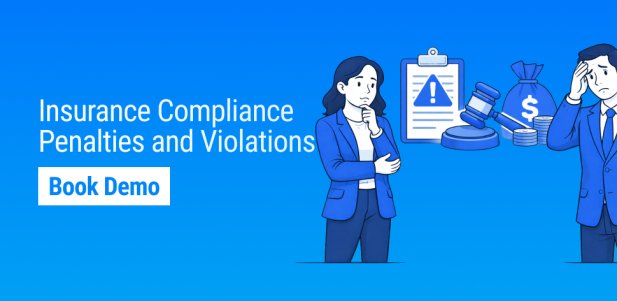
What Causes Compliance Violations?
Compliance teams often face operational challenges when systems are disconnected or heavily dependent on manual data entry. In multi-state insurance operations, missing information or delayed updates may create regulatory concerns.
Common causes of compliance violations include:
- Expired licenses
- Missing carrier appointments
- Incorrect producer records
- Delayed renewals
- Inactive producer codes
- Incomplete reporting documentation
Why do inactive appointments create compliance risk?State insurance regulations generally require active appointment records before producers can legally conduct insurance transactions. Without centralized monitoring, organizations may experience reporting gaps and operational inefficiencies.Many insurance organizations use compliance software to reduce administrative errors and improve visibility across producer management workflows.
The Importance of Producer Licensing Management
Producer licensing management remains one of the most important responsibilities within insurance compliance operations. Insurance organizations must continuously monitor producer eligibility across multiple states.
Many compliance workflows follow a structured process:
- Verify producer license status
- Check carrier appointment records
- Assign producer codes
- Sync operational systems
- Monitor renewal schedules
- Generate compliance reports
Insurance automation systems help carriers centralize these processes while improving operational consistency.Many compliance teams today rely on centralized license tracking systems to support reporting accuracy and regulatory readiness.

Why Appointment Tracking Matters for Carriers
Carrier appointment tracking supports compliance oversight throughout the producer lifecycle. Insurance carriers must maintain updated appointment records to comply with state requirements.
Appointment tracking software helps organizations:
- Monitor appointment activity
- Track renewals
- Maintain compliance records
- Improve audit readiness
- Centralize producer oversight
How do carriers improve appointment management?Many organizations use appointment tracking platforms like Agenzee to improve operational visibility and reduce manual administrative work.Modern insurance operations require centralized systems because fragmented processes may increase compliance risk in regulated environments.
Insurance Automation and Operational Efficiency
Insurance automation has become essential for carriers managing large producer networks and multi-state compliance requirements. Manual workflows may increase operational delays and reduce reporting accuracy.
Compliance automation platforms commonly support:
- License tracking
- Producer management
- Automated notifications
- Reporting dashboards
- Renewal reminders
- Compliance documentation
Best practices recommend centralized compliance systems that support operational efficiency while reducing repetitive administrative tasks.Many insurance organizations use insurance automation platforms to improve compliance coordination and strengthen long-term regulatory oversight.
Conclusion
Insurance compliance management requires continuous oversight of producer licensing, carrier appointments, and operational reporting processes. Compliance violations may create financial penalties, operational disruption, and regulatory exposure.Producer code management, appointment tracking, and compliance automation remain essential for insurance carriers operating across multiple states.As insurance regulations continue evolving throughout the United States, many organizations rely on insurance automation platforms like Agenzee to improve compliance visibility, support producer management, and maintain regulatory readiness.