
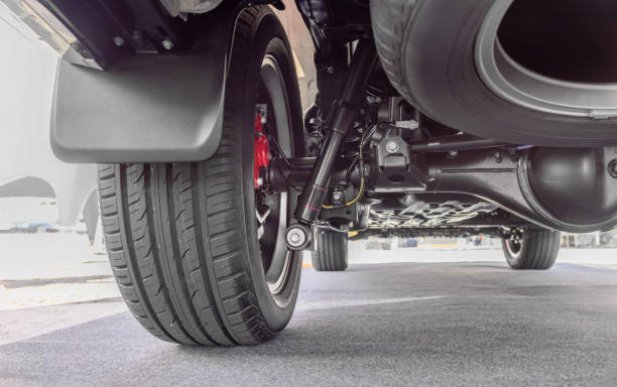

Air brakes help a big truck stop with control and confidence. So, when the air compressor acts up, your whole day can turn stressful. You may hear odd sounds. You may also see warning lights. Or, the truck may take longer to build air pressure. That can feel scary, because brakes should never be a question mark. The good news is this: trained techs can find the real cause without guessing. They test the air system step by step. If you need air brake repair services in Jacksonville FL, knowing what they check first can help you save time, catch problems early, and drive more safely.
1) Air Brake Repair Services in Jacksonville FL, Confirm The Problem Is The Compressor
After the intro, many drivers ask one thing: “Is it really the compressor?” A good tech answers with tests, not opinions. For example, they watch how fast pressure builds. They also check cut-in and cut-out points. If those numbers look off, the compressor may struggle.
Next, they inspect the drive belt or gear drive. They look for cracks, slips, or misalignment. Then, they check for oil in the air lines. That often points to worn compressor parts. If you use air brake repair services, you want this clear proof early. It saves you from having to replace the wrong part.
2) Leaks Steal Air, So They Hunt Them Down
Even a healthy compressor can’t win against big leaks. So, techs first search for air loss. They listen for hissing sounds around fittings, hoses, and valves. Then, they use soapy water to spot bubbles.
Also, they check common leak points like:
-
Gladhand seals and trailer lines
-
Air tanks, drain valves, and tank bands
-
Brake chambers and pushrod seals
-
Quick-release and relay valves
After that, they run a leak-down test. This shows how fast pressure drops. Because leaks force the compressor to run longer, fixing them can quickly improve air build time.
3) Moisture Causes Trouble, So They Check The Air Dryer
Water in the air system causes rust and sticky valves. So, techs focus on the air dryer and its purge cycle. They verify the dryer “spits” air during purge. If it doesn’t, moisture stays trapped.
“Water is quiet at first, but it makes expensive problems later.”
— A common warning shared by veteran brake techs
Next, they inspect the dryer cartridge and heater wiring. In humid weather, a weak dryer can cause the system to flood. Then, they drain the tanks to check what comes out. If they see oily water, they dig deeper. Because a bad dryer can mimic a bad compressor, this step is crucial.
4) Test The Governor And Unloader To Stop Overworking
The governor tells the compressor when to load and unload. If it fails, the compressor may run too long. Or, it may not build enough pressure. Either way, you lose confidence fast. With air brake repair services in Jacksonville FL, techs check governor settings and air lines. They also test the unloader valve operation. A stuck unloader can keep the compressor “working” without real results.
Here’s a quick guide many shops follow:
|
Symptom you notice |
Likely issue |
Simple check, they do |
|---|---|---|
|
Slow air build |
Leak or weak unloader |
Time the build rate |
|
Pressure won’t cut out. |
Governor issue |
Check cut-out PSI |
|
Pressure cycles fast |
Small leak or valve |
Listen, soap test |
So, this testing protects the compressor from burnout.
5) Inspect Filters And Intake Parts For Easy Wins
Sometimes, the fix is simple. A clogged intake filter can choke the compressor. Then, it can’t breathe well. So, techs check the air intake path early. They inspect the filter and housing. They also check the intake line for cracks. Next, they confirm that the line clamps seal tightly. Because a leak on the intake side can pull in dust, it can wear parts faster.
Also, they check for restricted lines to the dryer or tanks. A kinked hose can slow airflow. That makes the compressor work harder than needed. So, by fixing these “easy wins,” you reduce heat, reduce wear, and get steadier pressure.
6) Look For Heat, Oil, And Noise Clues
Air compressors leave clues when they struggle. Heat is a big one. If the compressor runs hot, parts can wear faster. So, techs check cooling lines and airflow. They also look for oil where it shouldn’t be. For example, oil in discharge lines can mean worn rings. Then, oil can damage the air dryer and valves. That can spread the problem.
“If you smell hot oil, don’t ignore it.”
— A tip many fleet mechanics repeat
Finally, they listen for knocking or grinding. Those sounds can signal bearing trouble. So, these clues guide repairs and help prevent a roadside breakdown.
7) Finish With A Full System Check And Safety Test
Once repairs are done, the job isn’t over. Techs confirm the entire system works as a single unit. This is what many people mean by Jacksonville air brake repair services done the right way.
Quick checks they complete
-
Build-up time to safe pressure
-
Cut-in and cut-out pressure range
-
Proper dryer purge and tank drainage
Road-ready checks they complete
-
Brake application and release feel
-
No warning lights after cycling
-
Stable pressure under repeated stops
If you want the best air brake repair in Jacksonville FL, this final testing matters most. It proves the fix works in real driving, not just in the bay.
If Your Truck Takes Longer To Build Air, Don’t Wait For It To Get Worse
Small air issues often grow into bigger ones. However, when you understand the checks, you can act sooner and protect your brakes. And when you choose a careful team like Truckers Mobile, ask how they test the full air system, not just one part.
FAQ
1) What are the early signs of air compressor trouble?
Slow air build, frequent cycling, odd noises, and wet air tanks are common signs.
2) Can a leak feel like a bad compressor?
Yes. Even small leaks can force the compressor to run nonstop.
3) Why does water in the system matter so much?
Water causes rust and sticky valves. So, it can reduce braking reliability.
4) How often should air tanks be drained?
Many drivers drive daily. Still, follow your truck maker’s guidance.


This article provides practical insights into air brake maintenance. Understanding how professionals diagnose and repair compressor issues helps fleet operators prevent costly downtime. Regular servicing is definitely worth the investment for safety and reliability. 정보이용료 현금화