
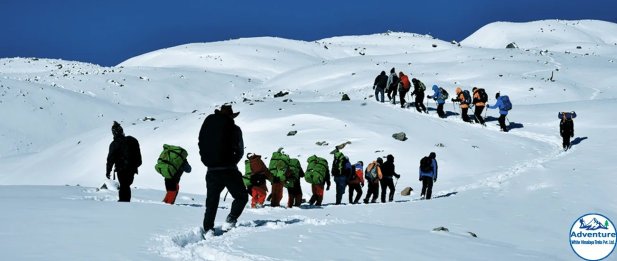

Forget ordinary vacations, some adventures stay with you for a lifetime. Island Peak is one of those unforgettable journeys, where every step takes you closer to towering Himalayan peaks and a rewarding summit experience. Many trekkers wonder, "How hard is the Island Peak to climb?" While it is more demanding than a regular trek, it is an achievable goal with proper training, determination, and the support of an experienced team. Adventure White Himalaya helps make the journey smoother with experienced climbing guides, well-planned itineraries, permit arrangements, accommodation, transportation, and reliable support from the beginning to the summit.
What Makes Island Peak So Popular?
Island Peak stands at 6,189 meters (20,305 feet) in Nepal's Everest region. It is one of the country's most popular trekking peaks because it offers a real climbing experience without requiring years of mountaineering experience. From the summit, climbers enjoy breathtaking views of Mount Everest, Lhotse, Ama Dablam, Makalu, and many other Himalayan giants.
The adventure also lets you experience Sherpa culture, peaceful mountain villages, colorful prayer flags, and ancient monasteries. Every day on the trail offers something exciting, making the journey just as rewarding as reaching the top.
How Hard Is Island Peak to Climb?
The truth is that Island Peak is challenging, but it is not impossible. The biggest challenge is the high altitude. As you climb above 5,000 meters, the air becomes thinner, making every step feel harder. That is why proper acclimatization is one of the most important parts of the climb.
The final summit day is the most demanding. Climbers travel across rocky trails, snow-covered slopes, and glaciers before using ropes, crampons, harnesses, and ice axes to reach the summit. While basic climbing skills are helpful, experienced guides teach climbers how to use the equipment safely before the climb begins.
Do You Need Climbing Experience?
No, previous climbing experience is not always required. Many first-time climbers successfully reach the summit each year. However, you should have good physical fitness and enjoy long days of walking.
Preparing your body before the trip makes a big difference. Regular hiking, stair climbing, jogging, cycling, and strength training can improve your endurance. Building strong legs and good cardiovascular fitness will help you enjoy the climb much more.
Why Acclimatization Is So Important
Altitude sickness can affect anyone, no matter how fit they are. A good climbing itinerary includes rest days so your body can adjust to the thinner air.
Drinking plenty of water, eating healthy meals, walking at a steady pace, and listening to your guide all help reduce the risk of altitude sickness. Taking your time often gives you a better chance of reaching the summit safely.
Best Time to Climb Island Peak
The best seasons for Island Peak Climbing are spring (March to May) and autumn (September to November). These months usually bring clear skies, stable weather, and excellent mountain views.
Winter can be much colder with heavy snow, while the summer monsoon season often brings rain and slippery trails. Choosing the right season makes the climb safer and more enjoyable.
Essential Gear You Should Bring
Having the right equipment is very important for a successful climb. Warm clothing, waterproof boots, gloves, sunglasses, sleeping bags, trekking poles, and climbing equipment all help protect you from changing mountain weather.
Most climbing companies provide technical climbing gear such as ropes, harnesses, crampons, and helmets. Always check your equipment before starting the expedition.
Why Climb with Adventure White Himalaya?
Choosing a trusted local company can make your climbing experience much easier. Adventure White Himalaya offers experienced climbing guides who know the mountains well and understand how to keep climbers safe. The company also handles permits, transportation, accommodation, meals, climbing logistics, and personalized itineraries, allowing you to focus on the adventure instead of worrying about the details.
Their friendly team supports climbers throughout the journey, from your arrival in Nepal until you successfully complete your expedition. Whether you are attempting your first trekking peak or building experience for bigger mountains, they are committed to providing excellent service every step of the way.
Final Thoughts
Island Peak is not an easy climb, but it is a goal that many determined adventurers can achieve with the right preparation and guidance. The journey challenges both your body and your mind, but the reward of standing on the summit and looking across the Himalayan range makes every effort worthwhile. With careful planning, regular fitness training, and the expert support of Adventure White Himalaya, your dream of climbing Island Peak can become an unforgettable reality filled with adventure, confidence, and lifelong memories.




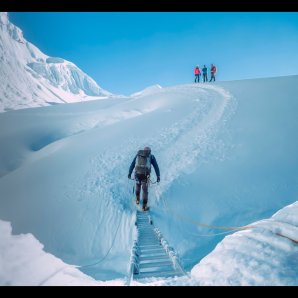
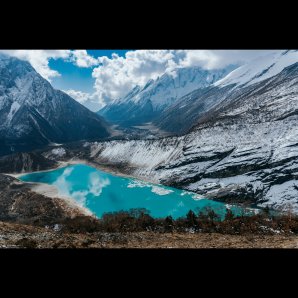
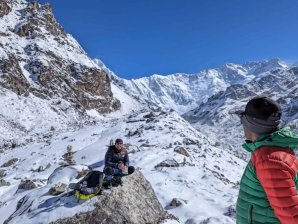
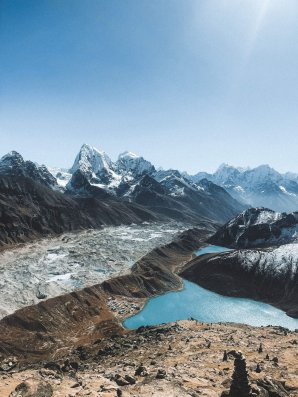
Island Peak is a fantastic introduction to high-altitude climbing in the Himalayas. While technically moderate, the 6,189m elevation gain and weather conditions present real challenges. Perfect for climbers seeking experience before tackling tougher 8,000m peaks. 소액결제현금화