
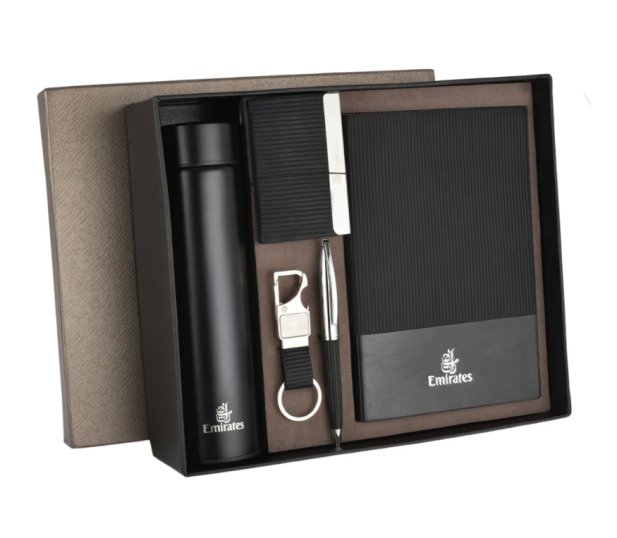

Employee retention doesn’t begin after months of work—it starts on day one. The first impression a new hire forms about your organization often shapes their commitment, confidence, and connection with the brand. That’s why onboarding is no longer just a checklist of HR tasks; it’s a strategic opportunity to build trust and loyalty from the very beginning. One of the most impactful elements of a strong onboarding experience is a thoughtfully curated welcome kit that helps employees feel valued, prepared, and proud to be part of the organization.
Why Onboarding Plays a Critical Role in Retention
Starting a new job can be overwhelming. New systems, unfamiliar faces, and expectations can easily lead to anxiety or disengagement. Effective onboarding bridges this gap by offering clarity, comfort, and a sense of belonging. When employees feel supported early on, they are more likely to stay engaged and committed over the long term.
Onboarding goes beyond paperwork and orientation sessions. It is about communication, culture, and connection. When companies invest in a structured onboarding approach, employees gain confidence in their role and alignment with company values. This early investment reduces early attrition and builds a strong emotional bond between the employee and the organization.
The Emotional Impact of a Warm Welcome
A well-planned onboarding experience sends a clear message: “You matter here.” One of the simplest yet most powerful ways to communicate this message is through a welcome kit. More than just a collection of items, it represents care, preparation, and professionalism.
Receiving a welcome kit on the first day creates excitement and reassurance. It helps new hires feel included and appreciated even before they begin contributing. This emotional uplift can significantly influence how employees perceive the organization and their decision to stay long term.
What Makes a Welcome Kit Effective?
An effective onboarding kit is practical, branded, and meaningful. Items such as office essentials, branded stationery, drinkware, or apparel help employees feel equipped and connected. When these items reflect the company’s identity and values, they reinforce a sense of pride and belonging.
Customization is another important factor. Personalized elements—like the employee’s name, role-specific tools, or thoughtful notes—show attention to detail. These small gestures can leave a lasting impression and strengthen emotional engagement during the crucial early days.
Aligning Onboarding with Company Culture
Onboarding is the first real exposure employees have to your workplace culture. A thoughtfully designed onboarding experience ensures that values, expectations, and behaviors are communicated clearly from the start. This alignment reduces confusion and helps employees integrate smoothly into teams.
A welcome kit plays a supporting role here by visually and tangibly representing company culture. Whether it reflects innovation, sustainability, creativity, or teamwork, the kit reinforces what the organization stands for. Employees who resonate with these values are more likely to feel at home and remain loyal.
Building Confidence from Day One
New employees perform better when they feel prepared. Onboarding that includes the right tools, information, and resources reduces uncertainty and boosts confidence. Providing essentials through a welcome kit ensures employees can focus on learning and contributing instead of worrying about missing basics.
Confidence leads to quicker productivity and stronger engagement. When employees feel capable and supported early on, they are less likely to experience frustration or self-doubt—two major contributors to early turnover.
Strengthening Employer Brand Through Onboarding
Onboarding is also a branding opportunity. A positive first impression encourages employees to speak positively about the organization, both internally and externally. This strengthens employer reputation and helps attract future talent.
A well-designed welcome kit becomes a symbol of professionalism and care. Employees often share their onboarding experiences with peers, friends, and even on social platforms. This organic advocacy enhances brand credibility and positions the company as an employer that truly values its people.
Long-Term Retention Benefits
Retention is built on consistent experiences, but it begins with onboarding. Employees who feel connected from the start are more likely to remain engaged through challenges and transitions. Effective onboarding reduces early exits, saving costs related to rehiring and retraining.
By investing in meaningful onboarding practices—supported by a thoughtful welcome kit—organizations create a foundation for long-term loyalty. Employees who feel appreciated are more likely to grow within the company, contribute positively to team culture, and become brand ambassadors.
Creating a Lasting First Impression
Onboarding should be seen as a journey, not a one-day event. However, the first day sets the tone for everything that follows. A strong onboarding experience shows employees that the organization is organized, people-focused, and committed to their success.
A well-curated welcome kit enhances this experience by adding a personal and tangible touch. It transforms onboarding from a routine process into a memorable moment—one that employees carry with them as they grow within the organization.
Final Thoughts
Employee retention is deeply influenced by how employees are welcomed and supported from the start. Effective onboarding builds confidence, connection, and clarity—all essential ingredients for long-term engagement. By integrating thoughtful onboarding practices and a meaningful welcome kit, organizations can unlock higher retention, stronger culture, and lasting employee loyalty.






This article perfectly captures why first impressions matter in the workplace. Strong onboarding sets the tone for employee success and significantly boosts retention rates. It's refreshing to see practical strategies that benefit both organizations and their new team members. 정보이용료 현금화