
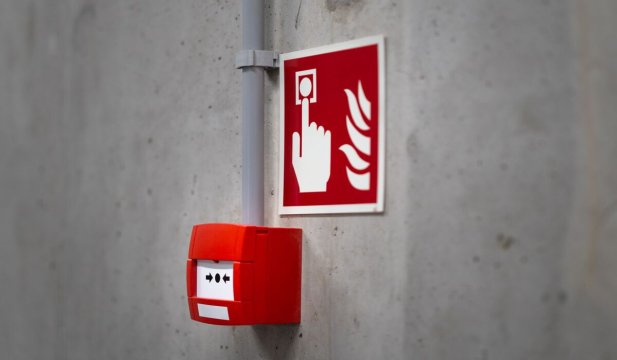

We spend a huge part of our lives inside buildings, working and interacting with others. You expect those spaces to be secure and ready for the unexpected. An early warning network is often the only thing standing between a small incident and a total disaster. Proper fire alarm system installation saves lives every day. Such a crucial system notifies people about any threat in its earliest stage so that everyone can safely evacuate from the building. We shall discuss today the essential components and steps to develop an early warning system.
Understanding Fire Detection Technologies and Components
- Basic detection methods
People might assume all detection equipment works the exact same way. The reality is quite different depending on the specific environment. Most standard commercial spaces utilise common sensors to identify an outbreak early. These systems generally use smoke, heat or flame detectors to sense danger and alert building occupants. You need these basic sensors acting as a vigilant frontline defence. - Advanced detection systems
Sometimes standard technology falls short in highly sensitive environments. Certain facilities require specialised equipment to catch a spark before a fire even fully develops. VESDA aspirating smoke detection offers an incredibly proactive approach. This technology continuously samples the air for microscopic particles. Linear heat detection systems provide another excellent alternative for tricky industrial areas. It seems clear that matching the technology to the unique risks is a fundamental requirement. - Control and notification
Every network needs a central brain to process incoming threat signals. Fire indicator panels serve this exact purpose by interpreting data from the various sensors. This panel determines when a threat is real and initiates the next important step. Audio and visual notification devices spring into action to alert everyone inside to the hazard. Flashing lights and loud sirens ensure that occupants are aware of the immediate danger and start to evacuate.
Key Steps in Fire Alarm Installation
- Design and selection of the fire alarm system
To select the right equipment, you need to have deep technical knowledge and to plan carefully. You should select the best type of the network depending on the specific classification of the building and its intended use. A busy retail space faces completely different risks compared to a quiet office block. Experts carefully map out the structural design before a single wire is ever cut. A complete fire protection system installation provides the ultimate peace of mind when designed correctly. - Implementing warning systems
Alerting people is just one part of the safety equation. You’re also in charge of how they exit the building so panic and confusion don’t break out. Building occupant warning systems help direct crowds to the nearest exits safely. Emergency warning and intercommunication systems offer even greater control during complex evacuations. Such communication tools are vital for informing occupants to evacuate without causing a dangerous stampede. - The installation process
Technicians begin the physical work once the structural plans are completely approved. They physically install the devices and run cables throughout the property. Each sensor is painstakingly wired back to the main indicator panels. The final step is multiple checks to make sure everything is absolutely reliable. Commissioning the network for active use involves rigorous physical checks to make sure the sirens will activate instantly upon detecting a threat. This entire technical progression turns a paper design into a fully functioning safety mechanism.
Safety Standards and Best Practices
- Strict regulatory compliance
There is no margin for any error at all in such a situation where lives are on the line. Every structure has to be fully code-compliant to prevent disastrous breakdowns in times of emergency. The technicians have to make sure that the whole system is up-to-date as per the Australian Standards. Guessing about regulations will not do any good. This is the rigid foundation of any business venture. - Comprehensive lifecycle care
Safety work does not finish on installation day. Equipment naturally wears down. We can't expect systems to run perfectly forever on their own. Regular inspections and monitoring help us find hidden faults before they become dangerous. Systematic testing ensures your ageing sensors still detect smoke and heat correctly. The instant a problem occurs, repairs need to be carried out immediately. Reviewing basic fire safety tips keeps the whole team across proper maintenance routines.
Conclusion:
Early warning will always be the absolute best line of defence for any unforeseen fire within your business. The proper combination of early warning technology and compliance with local safety guidelines produces a truly safe setting. This methodical approach is the one and only way that will keep people away from danger. The properly maintained system will lie dormant until it is absolutely needed.






This article provides essential guidance on fire alarm installation. The breakdown of safety standards and best practices ensures systems are properly configured for maximum protection. A must-read for anyone responsible for building safety compliance. 리본티켓 공식