
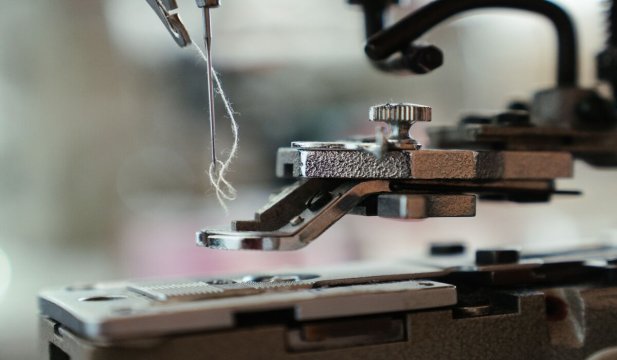

Let's talk about the absolute workhorse sitting quietly at the end of your production line.
You might be bagging wheat out past the black stump, packing seasonal fertilisers for the upcoming agricultural rush, or dealing with abrasive industrial chemicals on a daily basis. Getting that sack securely closed is a surprisingly massive deal that too many facility managers completely overlook.
Honestly, picking out the right bag sewing machine can throw a real spanner in the works if you aren't careful, simply because the sheer volume of choices is incredibly overwhelming.
Options are everywhere you look. You've got little handheld units meant for quick fixes on the go. Then there are massive robotic setups that run entirely on their own, processing thousands of units a day. It is enough to make your head spin.
So, let's break down the actual nitty-gritty of bagging equipment with some clear pointers. We want to help your factory or farm make a genuinely smart, profitable call.
The Great Debate: Stitching vs. Heat Sealing
Let's clear up a classic debate in the warehouse right from the start. What is the proper way to close the bags?
- Mechanical Stitching: This technique literally pushes durable industrial thread through the sack. You will have a very strong product. If you are handling 50kg bags of stock feed, rough burlap or heavy woven polypropylene, this method can easily be your first choice.
- Heat Sealing: By contrast, this method is binding a plastic liner by applying highly focused heat, the outcome being a very strong and permanent barrier. Untouched by air, water and dust, the bags closed this way are ideal for fine powders.
- The Hybrid Approach: Need the absolute best of both worlds? Go hybrid. You heat-seal the inner liner to keep out the damp, and then stitch the outer layer for sheer brute strength. Taking this dual approach is a top-notch way to improve your business by improving your packaging.
It ensures your customers receive pristine goods every single time, without fail.
What’s Actually on the Market?
Well, the equipment generally falls into three distinct camps.
- Portable Handheld Closers: Think of these as the multi-tools of the farm or factory floor. Lightweight and incredibly flexible, they let you hit the ground running without a complicated setup. You can lug them anywhere to seal up to 300 to 480 bags an hour right on the spot.
- Semi-Automatic Systems: These really hit the perfect balance for mid-sized Aussie businesses. It is not necessary to have a multi-million-dollar robotic facility, but speed is essential. A worker only directs the fabric, and the machine does the heavy labour, easily producing 35 to 40 sealed sacks every minute.
- High-Speed Automated Beasts: When you're dealing with relentless, high-volume production, these solutions just don't quit. They integrate straight into your existing conveyors, effortlessly churning out up to 1,400 bags an hour. Upgrading to an entirely automated bag sower means your crew isn't breaking their backs lifting and twisting all day long.
That is one huge benefit of drastically reducing the number of repetitive strain injuries and at the same time, making sure that the workplace is safe.
Technical Specs You Can't Ignore
Make sure you thoroughly check the technical specifications before you decide to spend your money.
- Stitch Type: A single-thread chain stitch is wonderfully elastic and very fast for portable works. Though a two-thread plain stitch? That's your tough, high-tension solution.
- Fabric Thickness Limits: Your standard portable unit easily punches through 5 or 6 millimetres of material. Industrial variants will push past 8mm. Some specialised heavy-duty units can even handle massive 15mm thick fabrics.
- FIBC Jumbo Bags: If you are closing massive Flexible Intermediate Bulk Containers (FIBCs), you absolutely must invest in specialised gear. We're talking high-torque motors and heavy-duty needles that won't snap when biting into extremely thick woven fabric.
Brands, ROI, and Essential Upkeep
Now, what about getting the most value for your money and also ensuring your equipment keeps working well?
- Choosing the Right Brand: Fischbein is great if you need something super sturdy and automatic, but Newlong is the one that has always been made really, really tough. Looking for a cheap portable one? Then, take Vevor. Longsew is the expert you want to call when it comes to FIBC jumbo bags.
- Return on Investment (ROI): Spare parts should always be included in your calculations. Don't just pick the cheapest box you see. In case you don't have spare parts available locally, a stoppage can mean thousands of dollars in lost production.
- Daily Maintenance: Really, take care of your tools! Make it a habit to clean all dust and fabric lint from the feed dogs every day to help prevent jamming. Make sure to keep your oil levels sufficient. Woven polypropylene and other abrasive materials will wear down metal, so changing the needles every 40 to 80 hours of used time is a good idea.
Conclusion:
Ultimately, getting the right setup is fairly simple; all you have to do is match the tooling to your particular daily volume, throughput, and material. Audit the line you have, speak to a supplier who has a good idea of the area, and get producing more efficiently!







This guide is incredibly useful for anyone in the packaging industry. It breaks down key features to consider when choosing a bag sewing machine, helping businesses make informed decisions. Whether you're just starting out or upgrading equipment, the expert tips provided are practical and easy to apply. Learn more here