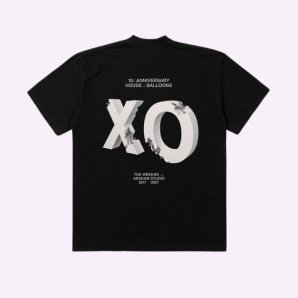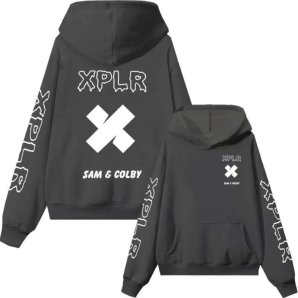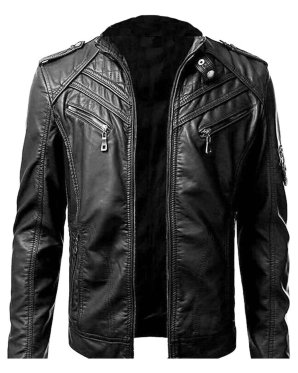

Launching a clothing brand involves more than choosing designs and marketing products. One of the first production decisions you'll make is whether to use private label or white label manufacturing. While both approaches allow you to sell apparel under your own brand, they differ in customization, control, and long-term business potential.
Understanding these differences can help you choose the manufacturing model that fits your goals, budget, and target market.
What Is Private Label Clothing?
Private label clothing refers to garments that are manufactured specifically for one brand. The products are customized based on the brand's requirements, including fabric selection, fit, colors, trims, labels, packaging, and other design elements.
With private label manufacturing, your products are exclusive to your business. The manufacturer produces clothing according to your specifications, allowing you to create a unique identity that customers cannot find elsewhere.
This approach is commonly used by fashion startups, established apparel companies, fitness brands, and streetwear labels looking to stand out in a competitive market.
What Is White Label Clothing?
White label clothing is made using pre-designed garments that multiple businesses can purchase and sell under their own branding. Instead of creating a product from scratch, brands select existing apparel styles and apply their own logo, label, or packaging.
Because the designs are already developed, white label production is typically faster and requires less investment. It is often chosen by businesses that want to launch products quickly without investing in custom product development.
Although branding can be personalized, the garment itself is usually not exclusive to one company.
The Main Differences Between Private Label and White Label
While both models allow businesses to sell clothing under their own name, they serve different purposes.
Product Customization
Private label manufacturing offers complete control over the product. Brands can customize nearly every detail, including:
- Fabric type
- Garment fit
- Colors
- Stitching
- Labels
- Packaging
- Accessories and trims
White label clothing offers limited customization. Most changes are limited to branding elements such as logos, neck labels, hang tags, or packaging.
Exclusivity
Private label products are exclusive to your brand because they are manufactured according to your specifications.
White label products may be sold by multiple companies using different branding, meaning similar garments can appear across different stores.
Development Time
Private label production usually takes longer because products go through design, sampling, revisions, and approval before manufacturing begins.
White label products are production-ready, allowing brands to enter the market much faster.
Investment
Private label manufacturing generally requires a higher initial investment due to product development, sampling, and customization.
White label production is often more affordable for businesses with smaller budgets or those testing a new market.
Benefits of Private Label Clothing
Private label manufacturing provides several long-term advantages for growing brands.
Strong Brand Identity
Unique products help businesses establish a recognizable image and differentiate themselves from competitors.
Better Product Control
Brands have greater influence over quality, materials, sizing, and overall product consistency.
Higher Customer Loyalty
Exclusive products encourage repeat purchases because customers cannot buy the same items elsewhere.
Greater Pricing Flexibility
Unique apparel often supports higher perceived value, allowing brands to maintain healthier profit margins.
Benefits of White Label Clothing
White label manufacturing also offers advantages, particularly for businesses entering the apparel market.
Faster Market Entry
Businesses can launch products quickly without waiting for lengthy development processes.
Lower Upfront Costs
Using existing garment designs reduces development expenses and simplifies production.
Easier Product Testing
White label clothing allows brands to test customer demand before investing in fully customized collections.
Simplified Production
Since the manufacturer already has established production processes, businesses can focus more on branding and marketing.
Which Option Is Better for Your Clothing Brand?
The right choice depends on your business objectives.
Private label manufacturing is ideal if you want to:
- Build a unique clothing brand
- Create exclusive products
- Control quality and design
- Develop long-term brand value
- Differentiate yourself from competitors
White label manufacturing is better if you want to:
- Launch quickly
- Minimize startup costs
- Test new product categories
- Sell proven apparel styles
- Reduce production complexity
Many successful brands begin with white label products to validate their business idea before transitioning to private label manufacturing as they grow.
Choosing the Right Manufacturing Partner
Regardless of the production model you choose, selecting the right manufacturing partner is essential. Experience, communication, quality control, and reliable production processes all influence the final outcome.
Working with an experienced custom apparel manufacturing company can help ensure your products meet quality expectations while supporting your business as it expands. A dependable partner should provide clear production timelines, consistent workmanship, and transparent communication throughout the manufacturing process.
Final Thoughts
Both private label and white label clothing offer valuable opportunities for apparel businesses, but they serve different purposes. Private label focuses on exclusivity, customization, and long-term brand growth, while white label emphasizes speed, affordability, and ease of market entry.
By understanding the strengths of each approach, you can make informed production decisions that align with your business goals. Whether you're launching your first collection or expanding an existing product line, choosing the right manufacturing strategy lays the foundation for sustainable growth and a stronger brand presence in the competitive apparel industry.