
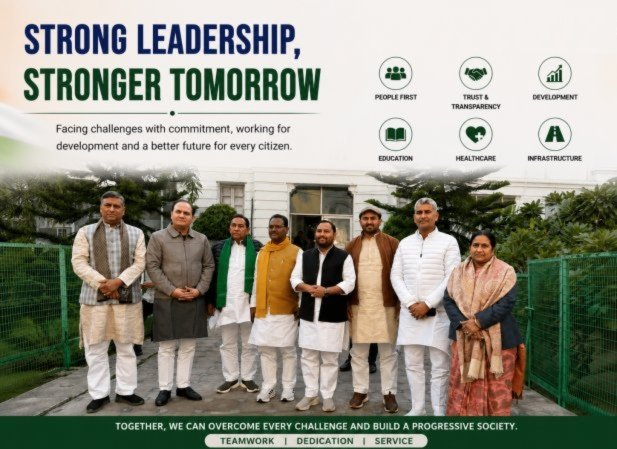

The responsibilities of political leaders have increased significantly over the years. Citizens are more informed than ever before and closely monitor government decisions through television, newspapers, and social media.
Today's leaders must balance public expectations, economic growth, environmental concerns, and technological changes while ensuring that development reaches every section of society.
Major Challenges Political Leaders Face Today
1. Meeting Rising Public Expectations
People expect quick solutions to their everyday problems. They want better roads, quality healthcare, improved schools, employment opportunities, and efficient public services.
Political leaders must:
- Listen carefully to public concerns.
- Prioritize important development projects.
- Deliver visible and long-term improvements.
- Maintain regular communication with citizens.
Meeting these expectations consistently is one of the biggest challenges in modern politics.
2. Maintaining Public Trust
Trust is the foundation of good leadership. Citizens support leaders who remain honest, transparent, and accountable.
Building trust requires leaders to:
- Keep election promises whenever possible.
- Share accurate information.
- Make fair decisions.
- Stay connected with local communities.
When leaders earn public confidence, it becomes easier to implement policies and development programs successfully.
3. Managing Economic Challenges
Economic conditions directly affect people's lives. Inflation, unemployment, rising living costs, and business growth are constant concerns.
Political leaders must focus on:
- Encouraging investment.
- Supporting farmers and small businesses.
- Creating employment opportunities.
- Managing public resources wisely.
Strong economic planning helps improve the overall quality of life for citizens.
4. Balancing Development and Sustainability
Modern development should not come at the cost of environmental damage.
Today's leaders need to promote:
- Green infrastructure.
- Water conservation.
- Clean energy projects.
- Sustainable urban planning.
- Protection of natural resources.
Balancing growth with environmental responsibility is becoming increasingly important.
5. Addressing Social Issues
Every society faces challenges related to education, healthcare, women's safety, youth empowerment, and social equality.
Political leaders must work toward:
- Better education systems.
- Accessible healthcare services.
- Equal opportunities for all citizens.
- Support for marginalized communities.
- Community welfare programs.
Inclusive development creates stronger and more united societies.
6. Handling the Impact of Social Media
Social media has transformed politics completely. Information spreads instantly, allowing leaders to communicate directly with people.
However, it also creates challenges such as:
- Misinformation.
- Fake news.
- Public criticism.
- Rapid spread of rumors.
Political leaders must communicate clearly, respond responsibly, and maintain transparency to build credibility in the digital age.
7. Making Difficult Decisions
Not every decision can satisfy everyone. Leaders often face situations where they must choose between multiple important priorities.
Examples include:
- Budget allocation.
- Infrastructure development.
- Disaster management.
- Public safety measures.
- Long-term policy reforms.
Good leadership involves making informed decisions that benefit society as a whole.
8. Connecting with Every Section of Society
Successful leaders understand that every community has different needs.
They regularly interact with:
- Farmers
- Youth
- Women
- Senior citizens
- Business owners
- Students
- Rural communities
- Urban residents
Listening to diverse voices helps leaders create policies that benefit everyone.
Qualities That Help Leaders Overcome These Challenges
Effective political leaders often share certain qualities that help them navigate complex situations.
Key leadership qualities include:
- Honest communication
- Strong decision-making skills
- Accountability
- Patience
- Problem-solving ability
- Compassion
- Vision for long-term development
- Respect for public opinion
- Commitment to public service
These qualities allow leaders to respond effectively to changing circumstances while keeping public welfare at the center of their work.
The Importance of Development-Focused Leadership
Citizens today value leaders who focus on practical solutions rather than short-term promises. Development-oriented leadership emphasizes creating lasting improvements in infrastructure, education, healthcare, employment, and agriculture.
Public representatives like Yogesh Nauhwar MLC demonstrate how staying connected with local communities and understanding regional priorities can contribute to meaningful progress. By engaging with citizens and supporting development initiatives, leaders can build stronger relationships and encourage long-term growth.
How Citizens Can Support Good Governance
Good governance is not the responsibility of political leaders alone. Citizens also play an important role.
People can contribute by:
- Participating in elections responsibly.
- Staying informed about public issues.
- Following laws and regulations.
- Sharing constructive feedback.
- Supporting community development activities.
- Working together for social harmony.
When leaders and citizens cooperate, communities become stronger and more resilient.
Conclusion
Political leadership today is more demanding than ever before. Leaders must address economic concerns, social challenges, environmental issues, and rising public expectations while maintaining transparency and accountability. Success in politics depends not only on making policies but also on earning people's trust through consistent action and responsible leadership.
As society continues to evolve, leaders who prioritize development, honest communication, and public welfare will be better equipped to overcome these challenges. Examples such as Yogesh Nauhwar MLC show how staying connected with the people and focusing on community development can help create positive and lasting change. Strong leadership, combined with active citizen participation, is essential for building a better future for everyone.


Today's political leaders navigate unprecedented challenges—polarized societies, climate crises, and rapid technological change. They must balance competing interests while maintaining public trust, all under intense media scrutiny. These complexities demand innovative solutions and genuine dialogue across ideological divides. 정보이용료 현금화