
Introduction
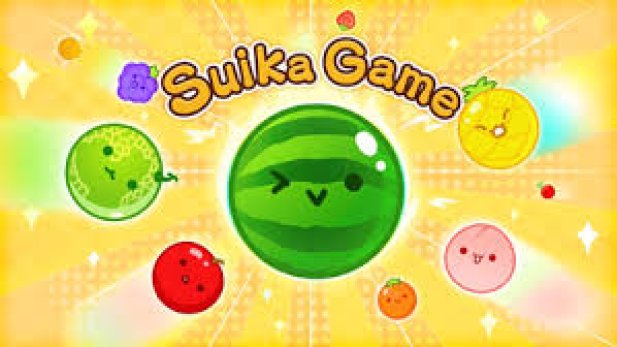
A great example to explore is Suika Game. Even if you’ve never touched a fruit-merging game before, it’s easy to start, and surprisingly engaging to master. The game turns “where should I place this next fruit?” into a fun mental habit—almost like doodling with logic.
In this article, I’ll walk through what the gameplay feels like, how you can think about it while you play, and a few practical tips that help you enjoy the challenge more (without turning it into stressful homework).
Gameplay: What You Do, and What Makes It Interesting
In Suika Game, the basic loop is straightforward:
-
You receive a fruit to drop from a small selection at the top (the exact fruits may vary as you play).
-
You aim and drop it into the board, where everything follows physics—so fruits bounce, roll, and stack in messy, realistic ways.
-
When two of the same fruit touch, they merge into the next fruit level.
-
The board fills up over time, and once there’s no room for new drops, the run ends.
What makes this feel like a watermelon puzzle is the pressure-to-plan. You’re not just reacting to what’s already happened—you’re also predicting what might happen next. Since merges depend on contact, the way you place a fruit matters as much as which fruit you place.
The board itself becomes a kind of living map. Early in a run, you have space to experiment. Midway through, the stacking gets tighter, and tiny differences—like landing slightly left instead of centered—can change the entire flow of merges. Late game can get frantic in a good way: you’re juggling uncertainty (physics!) with intention (matchups and timing!).
One of the best parts is the emotional arc. You might start calm, then notice a chain reaction building steam. Suddenly, you’re watching your own decisions unfold: a merge triggers a new contact, which triggers another merge, and the space you “lost” returns in a burst of relief. Even when you lose, the run usually leaves you with a clear sense of “that’s what I should’ve done differently.”
And yes—eventually, the watermelon vibe becomes real. Watermelon is the iconic final target people talk about, but the fun isn’t only the destination. It’s the journey of building toward bigger fruits one careful step at a time.
Tips: How to Play Smarter While Still Enjoying the Chaos
You don’t need to be perfect to have a great time. These tips are meant to help you make smoother decisions, not to turn the game into a rigid routine.
1) Think in “merge paths,” not single drops
Instead of asking only, “Where should I drop this fruit right now?” try asking, “What could this fruit help merge into, later?” That mindset helps you place pieces that will be useful beyond the immediate moment. If you consistently aim for future connections, you’ll feel more control—even when the physics is being stubborn.
2) Watch your edges and corners
As the board fills, edges can become either your best friend or your worst enemy. Corners are often helpful because they limit movement and create predictable stacking. If you’re trying to keep certain fruits together, guiding them toward a stable boundary can reduce random bouncing.
3) Don’t overbuild one giant tower too early
It’s tempting to stack high and hope everything merges upward. But a tall tower can turn into a blockage, trapping you with fewer placement options. A more relaxed approach is to aim for balanced growth—keep your setup wide enough that incoming fruits still have space to connect.
4) Use “timing” to encourage contact
Physics games are about timing as much as aiming. If two matching fruits can meet with a small nudge, dropping at the right moment can help them touch. Even if you can’t perfectly control the outcome, you can improve your chances by observing how fruit movement settles after each drop.
5) Accept that messy boards are part of the puzzle
Some runs are tidy; others look chaotic from the start. Instead of fighting that feeling, use it as feedback. If your board gets crowded quickly, try changing your strategy earlier—smaller adjustments before things spiral can make a huge difference.
6) Learn by replaying the same “type” of situation
You’ll notice patterns: runs where one fruit keeps landing in the wrong spot, or where your merges stall because the board is shaped a certain way. Pay attention to the recurring scenario, not just the final score. When you replay and recognize the situation faster, you’ll improve your decisions with less frustration.
Conclusion
Watermelon puzzles are fun because they mix a clear rule set with unpredictable motion. Suika Game in particular is a friendly example of this style: easy to start, satisfying to understand, and surprisingly deep once you care about placement and timing.
If you want the best experience, focus less on winning every time and more on noticing what your board is “trying” to do. You’ll get better naturally as your instincts improve—where to aim, when to slow down, and how to encourage merges without boxing yourself in.
So the next time you drop a fruit and the whole stack shifts in a way you didn’t expect, don’t see it as failure. See it as part of the puzzle’s charm. And when that watermelon moment finally clicks—whether it comes in your first run or your tenth—you’ll know you earned it.