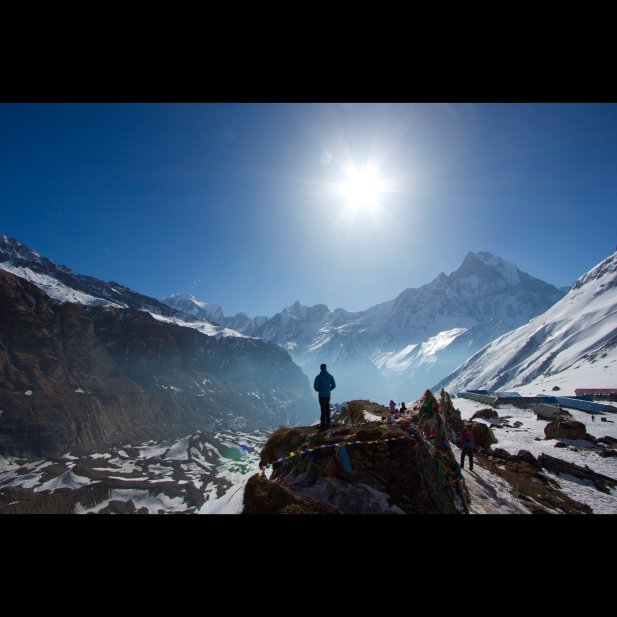

Your backpack can make or break your mountain journey. A heavy bag can make long uphill walks feel much harder, while a well-packed bag can help you walk with ease. Before starting the Annapurna Circuit, it is important to choose the right gear and pack only what you truly need. Good preparation helps you stay warm, dry, safe, and comfortable as the trail moves through different landscapes and altitudes.
Choose the Right Backpack
Start with a comfortable backpack. A 40 to 50-liter bag is often enough for a supported trek. It should have good shoulder straps, a waist belt, and enough space for your main gear.
Do not fill every empty space. Carrying too much can make the trek tiring. Keep the things you use often near the top or in easy-to-reach pockets. A rain cover is also useful because mountain weather can change quickly.
Pack Clothes in Layers
The Annapurna Circuit passes through areas with different temperatures. You may start the day in a warm valley and later walk through cold mountain areas. Layers help you adjust to these changes.
Pack light trekking shirts, thermal base layers, trekking pants, a fleece jacket, and a warm down jacket. A waterproof and windproof jacket is also important. Do not forget warm gloves, a hat, and several pairs of good trekking socks.
Choose clothes that dry quickly. Cotton can stay wet for a long time, so it is better to use simple moisture-wicking fabrics.
Wear Comfortable Trekking Shoes
Your feet will carry you through the entire journey, so good shoes are one of the most important things to pack. Choose strong trekking shoes with good grip and ankle support.
Make sure you wear them before the trek. New shoes can cause painful blisters. Pack a few pairs of comfortable socks and consider carrying blister patches for extra protection.
A pair of light sandals can also be useful for relaxing at the teahouse after a long day.
Prepare for Changing Weather
Mountain weather can change without much warning. Rain, wind, sun, and cold can all appear during the same trip.
Pack a waterproof jacket, rain cover, quick-dry clothes, and a small umbrella if you prefer one. Sunglasses and sunscreen are also important. Even when the air feels cold, strong sunlight can affect your skin.
A reusable water bottle or hydration system is useful throughout the trek. Staying hydrated is important, especially as you reach higher elevations.
Do Not Forget Small Essentials
Small items can make a big difference on the trail. Keep a headlamp with spare batteries in your bag. You should also carry basic toiletries, personal medicines, a first-aid kit, hand sanitizer, tissues, and lip balm.
A power bank can help keep your phone and camera charged. Bring your passport, permits, some cash, and other important documents in a waterproof pouch.
Trekking poles can also help reduce pressure on your knees during long climbs and steep descents.
Pack for Comfort, Not Fashion
It can be tempting to pack too many clothes, gadgets, and personal items. But the Annapurna Circuit is not a fashion show. Every extra item adds weight to your backpack.
Before leaving, check each item and ask yourself if you really need it. Choose useful gear over extra comfort items. A lighter backpack means more energy for enjoying the trail and the mountain views.
Get Support from Amble Himalaya
Amble Himalaya can help make your Annapurna Circuit journey easier to plan. They provide services such as trip planning, transportation, accommodation, trekking permits, experienced guides, and porter services.
Their local support can also help you understand what gear is suitable for the route and season. With good planning and the right equipment, you can focus more on the villages, landscapes, and amazing Himalayan views.
Pack Light and Enjoy the Journey
A smart packing list is about carrying the right things, not carrying everything. Choose useful clothing, comfortable shoes, weather protection, and basic personal items. Keep your backpack light and organized.
When you pack well, every step feels easier. You can enjoy the changing landscapes, local culture, and incredible mountain scenery with greater confidence. On the Annapurna Circuit, the best memories should come from the journey—not from carrying a backpack that is too heavy.