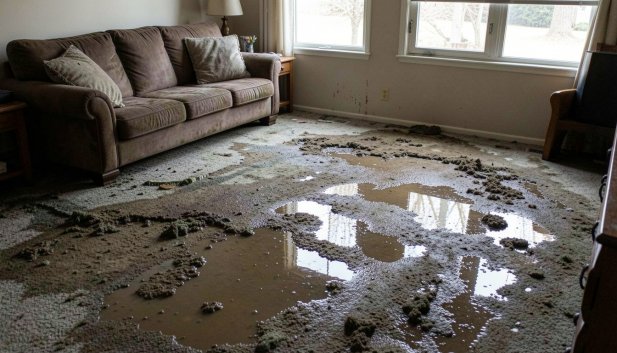

Most indoor floods do not start with a massive storm. They start with a tiny, braided stainless steel flexi hose under your bathroom sink that you have not thought about in five years. You just walk into the hallway, feel a cold, heavy dampness seep through your socks, and instantly get that sinking feeling in your stomach. It is pure panic. Calling in specialists for emergency carpet drying in Melbourne is mandatory to stop mould, but your own immediate setup steps are what actually keep your home salvageable until they arrive.
Stop the Water and Cut the Power
The combination of wet carpets and electrical items is lethal. Yes. As long as any water is close to your sockets, cables or electrical devices, go directly to the fuse box and cut off the mains straight away. It is better to be safe than sorry. The cost of your life outweighs the cost of damp carpet by a lot. Then, you need to cut off the supply of water. Should there be any internal water leak caused by broken pipes or faulty appliances, go and switch off the main valve immediately.
Dress in Safety Equipment
It is always necessary to put on heavy rubber gloves and boots while doing this. This becomes more important when the water could be any of these types: stormwater, overflow from washing machines, or sewage. While you may feel that some puddles are not hazardous, pathogens are real. Be careful for your own safety.
Relocate Light Belongings Immediately
Once you know the area is safe, move light items quickly. Relocate smaller rugs, electronics, cardboard boxes, and toys to a completely dry room. This keeps your prized possessions from warping, growing mould, or suffering secondary water damage. Getting them out of the way also clears plenty of space for the physical cleanup. Move them fast.
Protect Your Heavy Furniture
If heavy wardrobes or couches cannot easily be moved, slide plastic wrap, thick plastic bags, or aluminium foil under the legs. This simple barrier blocks rising moisture. It keeps rust stains off your carpet, protects delicate fibres, and stops wood rot from ruining your heavy timber cabinets. It is a simple step that saves your furniture.
Watch Out for Bleeding Inks
Remove books, magazines, or coloured fabrics left on wet carpets immediately. These inks dissolve in seconds. They bleed deep into carpet fibres, leaving permanent, ugly stains you will never scrub out. Sometimes we forget how fragile dyes are. Picking them up early is a simple step that saves your carpet's look.
Document the Scene Thoroughly
Do not touch or clean anything until you have gathered hard evidence. Capture high-quality photos and videos of the affected rooms. Focus closely on the wet carpet, the underlay, the walls, and any ruined items before touching anything. These clear photos and video tours are essential proof for your insurer later. Make them detailed.
Simplify Your Insurance Claims Process
Thorough documentation helps immensely when professional technicians provide a detailed report to your insurer to verify your claims. Having these records sorted early is a total lifesaver when dealing with the financial stress of water damage carpet drying bills. A complete log prevents delays and gets your home back to normal faster.
Extract standing Surface Water Safely
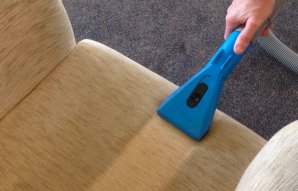
If safe, use a wet-dry vacuum to pull surface water out of the pile. Never use standard household vacuums, which pose a severe electrocution hazard. Extracting even a few litres of water manually helps ease the load on industrial drying systems later on. Every little bit of effort helps. Start suctioning now.
Create Active Airflow and Ventilation
Open up windows if the weather permits and turn on ceiling fans to keep air moving across the damp carpet. Active airflow discourages stagnant humidity. You can also run standard domestic dehumidifiers to extract moisture from the ambient air while waiting for heavy-duty professional help to arrive at your property. It helps slow things down.
Why Surface Drying Always Fails
Surface-level drying does not reach wet underlay or subflooring, which traps water and breeds bacteria. Leaving moisture trapped behind skirting boards almost guarantees mould growth in 48 hours. Understanding how professional carpet drying works reveals why experts are needed. You might think it looks dry on top, but underneath is another story.
Bring in the Restoration Specialists
Specialists utilise advanced moisture mapping technology through thermal imaging to pinpoint any concealed presence of water within walls and flooring without having to make holes in anything. They employ heavy-duty air movers and dehumidifier systems, after which they clean and sanitise carpets and remove any unpleasant smell.
Conclusion:
It really is crucial for you to act within the first 24 hours. Be efficient and take care of yourself, but most importantly, sort out all of the photos for the insurance company. However, it is advised that you not try to act like an amateur handyman yourself. Keeping the hidden water underneath your floors is a surefire way of facing huge mould problems in the future. You simply have to let professionals take care of this.