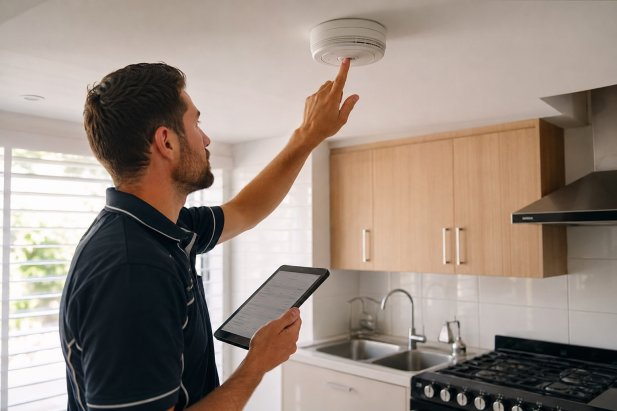

We've all been there, finally sitting down on a Friday evening, thinking everything in the house is running smoothly. It’s easy to fall into that classic "she'll be right" mindset when it comes to property maintenance. But sometimes, what we don't know can actually hurt us. There are heaps of hidden dangers around the home that don't make a sound or show any warning signs. That is why getting a professional safety check is about protecting your family, not just ticking a legal box. It mainly covers three big areas: smoke alarms, electrical, and gas.
Smoke Alarm Safety Inspections
Let’s begin with the noisiest lifesaver in your home. Everybody knows how it goes: the alarm goes off at 2:00 in the morning, and the urge to remove the battery and continue sleeping is overwhelming. However, an alarm that does not make noise will not do any good at all. During the professional checkup, smoke alarms are given a thorough run-through to ensure they function properly.
Here is what the inspector looks at:
- Functional testing: They do not just press the little plastic button. They test the actual decibel levels and make sure the battery backup is healthy and responsive.
- Positioning & compliance: They have to be in the right places. Australian building codes require these products to be fitted on every level of the home and appropriately outside sleeping areas.
- Expiry audit: Did you know smoke alarms expire? They only last 10 years. Inspectors check the manufacturing date on the back of each unit.
- Sensor cleaning: There could be dust, paint, or insect nests interfering with the sensor. This is checked to ensure there is nothing blocking it.
It’s just basic things, but they really do make a big difference.
Electrical Safety Inspections
Electricity is a bit of a cheeky beast. You cannot see it flowing, which makes it incredibly easy to ignore until something sparks. Getting a professional home safety inspection means having a licenced sparky look past the pretty light fittings to check the bones of your system.
The electrical check focuses heavily on these core areas:
- Switchboard & safety switches (RCDs): Your switchboard is the brain of your home's power. The inspector tests that safety switches are installed on all circuits and trip rapidly during an electrical surge.
- Wiring & outlet check: They look for degraded, ancient, or exposed wiring behind your walls and up in the ceiling space. They also check your power points and light switches.
- Appliance integration: Hardwired appliances like ovens or electric hot water systems are checked to make sure they are drawing power safely without overloading the system.
- Earthing Connections: The electrical inspector checks the earthing system of the premises. It ensures that stray currents flow to the earth and not through you.
It prevents your home from being a danger to your life.
Gas Safety Inspections
Gas is fantastic for whipping up a stir-fry or keeping the lounge room warm in the dead of winter. But when it goes wrong, it goes wrong fast. A standard gas leak is scary enough, but carbon monoxide is the real worry because you can’t see, smell, or taste it.
A proper gas inspection covers:
- Carbon monoxide spillage testing: Technicians use specialised detectors near your gas heaters, whether they’re space, wall, or ducted systems, to ensure toxic gas isn’t venting back into your rooms.
- Line integrity and pressure testing: This is where they check the actual gas pipes. They run pressure tests to spot tiny, hidden leaks behind your walls.
- Appliance and Burner Inspections: This is the testing of your stoves and water heaters to ensure the vents are clear and the burners are working properly
When there is a yellow flame rather than a blue flame, it is a huge red flag. The cause is incomplete combustion, which is dangerous.
Rental Compliance & Legal Minimum Standards
As a landlord, these safety checks in Melbourne are not just about showing good sportsmanship; they are actually mandatory. According to Victorian rental laws, you need to conduct professional safety checks for both gas and electrical systems twice a year. The smoke detectors need to undergo testing annually too. Failure to do so is a very serious offence and can lead to severe financial implications. More importantly, failure to conduct the safety check will leave you liable in case of any mishap.
Conclusion:
Ultimately, one should not be putting his or her safety at risk. Taking just a couple of hours out of the day and having professionals come to inspect the place would save you from many years of regret. Waiting for the light to start flickering or for the smell that comes out of nowhere is just too late.