

Most parents assume STEAM learning starts in elementary school, but the real foundation is built much earlier, in the infant and toddler years. Long before a child can name a shape or count to ten, they're already absorbing the building blocks of science, technology, engineering, art, and math through everyday sensory experiences.
At Stellar Montessori Academy, our infant and toddler environments are designed with this in mind. Every material, every activity, and every interaction is an opportunity to build early STEAM thinking, not through worksheets, but through touch, movement, and exploration.
Science Starts With the Senses
Infants and toddlers learn about the world through their senses long before they can talk about it. Feeling different textures, watching water pour, or noticing how light changes are all early science experiences. This sensory exploration builds the observation skills that later support formal science learning.
Technology Means Understanding Tools
For this age group, technology isn't about screens. It's about learning how simple tools work: how a spoon scoops, how a lid fits a container, how a zipper moves. These small discoveries build early problem-solving skills that carry forward into more complex technology use later on.
Engineering Through Everyday Movement
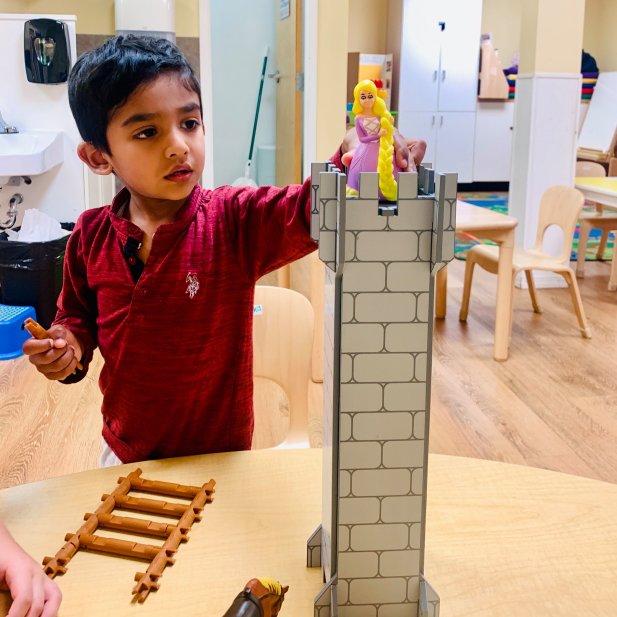
Stacking, dropping, fitting objects together, and figuring out how things balance are all early engineering experiences. Toddlers naturally test cause and effect through repetition, building the foundation for design thinking well before they enter a classroom.
Art and Math Woven Into Daily Life
- Sorting objects by size or color introduces early math concepts like patterns and categorization
- Painting, drawing, and sensory play build creative expression alongside fine motor skills
- Simple counting during daily routines, like snack time, builds number awareness naturally
These early experiences don't need to be formal lessons. They happen through play, repetition, and a prepared environment that encourages exploration at a child's own pace.
Curious to see how this looks in a real classroom? Schedule a tour at our Bellevue or Marysville campus today.
