
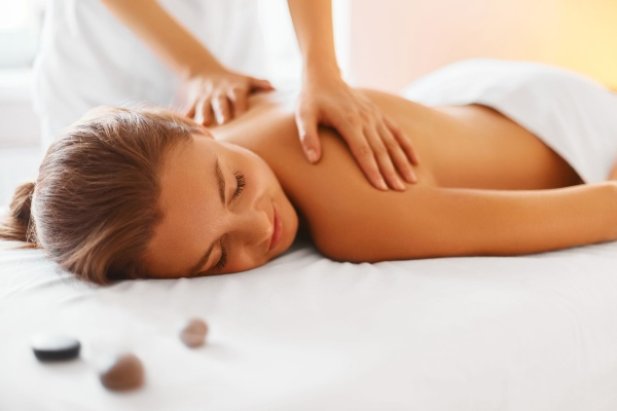

Massage therapy is an ancient form of healing that has been practiced for thousands of years. Various forms of massage have been used by different cultures around the world, including China, India, Egypt, Greece, and Rome.
The earliest recorded use of massage was in China around 2700 BCE, where it was considered an important part of traditional Chinese medicine. In India, massage has been part of Ayurvedic medicine for over 5,000 years. In ancient Greece and Rome, massage was used by athletes and soldiers to ease sore muscles and promote healing.
Massage therapy involves manipulating the body's soft tissues, including muscles, tendons, and ligaments, using various techniques such as kneading, tapping, and stroking. It is used to promote relaxation, reduce pain and tension, improve circulation, and enhance overall well-being.
While massage therapy has evolved over time, its basic principles have remained the same, making it an ancient form of healing that is still widely used today.
What are advanced massage techniques?
Advanced massage techniques are specialized massage methods that go beyond basic massage techniques like effleurage, petrissage, and tapotement. These techniques are often used to treat specific conditions or injuries, promote deep relaxation, and enhance overall physical and mental well-being.
Here are some examples of advanced massage techniques:
- Myofascial release: Sustained pressure is applied to the fascia (connective tissue) in order to release tension and alleviate pain. It's commonly used to treat conditions like fibromyalgia, chronic fatigue syndrome, and sports injuries.
- Trigger point therapy: Pressure is applied to specific points on the body that are tender or painful in order to release tight muscles and relieve pain. It's commonly used to treat conditions like headaches, neck pain, and back pain.
- Deep tissue massage: Deep pressure is applied on the muscles and connective tissue in order to release tension and alleviate pain. It's commonly used to treat chronic pain and injuries, and to promote relaxation.
- Thai massage: This technique involves a series of stretches, compressions, and acupressure techniques that are designed to improve flexibility, release tension, and promote overall well-being. It's commonly used to treat conditions like chronic pain, anxiety, and depression.
- Sports massage: It is a combination of deep tissue massage, stretching, and other techniques that are designed to help athletes prepare for and recover from athletic events. It's commonly used to treat sports injuries and promote faster recovery.
Massage techniques, strokes, and pressure are always altered depending on the customer a massage therapist or masseur works with.
Why do masseurs change massage techniques, strokes, and pressure?
Changing massage techniques, strokes, and pressure helps to improve the effectiveness of a massage session and provide a better experience for the client. Here are some examples of why and how to change these elements:
- To address different areas of the body: Different areas of the body may require different types of strokes, pressure, and techniques. For example, a firm pressure and kneading technique might be appropriate for working on the thick muscles of the back, while a lighter pressure and circular or sweeping strokes might be better for the more sensitive areas of the face.
- To promote relaxation or stimulation: Depending on the client's needs and preferences, a massage therapist may want to use different strokes, pressure, and techniques to promote either relaxation or stimulation. For example, long, sweeping strokes with light pressure may make you feel relaxed, while more vigorous, kneading strokes with deeper pressure may be more invigorating.
- To relieve tension or pain: Clients may have specific areas of tension or pain that require different techniques and pressure. For example, a massage therapist might use deep tissue massage techniques with firm pressure to release knots and tension in the muscles, while trigger point therapy might be used to target specific areas of pain.
- To accommodate personal preferences: Clients may have personal preferences for the type of strokes, pressure, and techniques used in their massage session. Some clients prefer a light touch, while others prefer a firmer pressure. A skilled massage therapist will be able to adjust their technique to meet the client's preferences.
Overall, changing massage techniques, strokes, and pressure can help create a more personalized and effective massage experience for the client. It's important for massage therapists to have a wide range of techniques and be able to adjust their approach based on the needs and preferences of their clients.


Your site contains so many valuable pieces. I'm sure countless visitors will find the same information and positive energy I did. Your work is valuable and worthwhile. Please don't stop. For your reference, if you experience headaches and back pain due to prolonged computer work and poor posture, here's a site where you can find massage tips, including self-massage techniques, and information about professional massage therapists. 마사지 구�구�