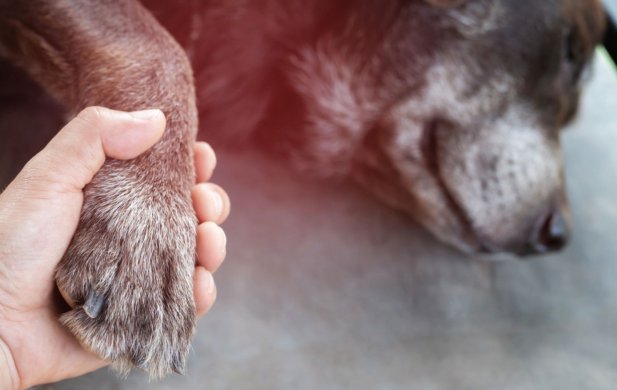

Putting down a pet typically refers to the act of euthanizing or humanely ending the life of a beloved animal companion. This is usually done when a pet is suffering from a severe and/or incurable illness or injury that greatly diminishes their quality of life and/or causes them significant pain and discomfort.
The decision to put down a pet is often a difficult and emotional one for the owner or caregiver, as it involves ending the life of a beloved animal that has likely been a part of the family for many years. However, it is also a compassionate choice that can alleviate the animal's suffering and prevent them from experiencing prolonged pain and discomfort.
Reasons to euthanize a pet
The decision to put down your pet is onerous. It's a deeply emotional and difficult choice that many pet owners face at some point in their lives. Euthanasia is a process that involves giving a pet a painless and peaceful death. There are several reasons why pet owners might consider euthanasia, including:
- Chronic or severe illness: If a pet is suffering from a serious illness that cannot be treated, it may be time to consider euthanasia. Chronic pain, organ failure, and cancer are some of the most common illnesses that can make a pet's life unbearable.
- Advanced age: As pets age, they can develop a range of health issues that can make their lives difficult. Mobility problems, cognitive decline, and chronic pain can all reduce a pet's quality of life.
- Aggressive behavior: If a pet becomes aggressive and poses a risk to people or other animals, euthanasia may be necessary to protect others.
- Financial constraints: Sometimes, pet owners cannot afford the cost of ongoing treatment for their pets. In these cases, euthanasia may be the only viable option.
- Quality of life: Ultimately, the decision to euthanize a pet comes down to its quality of life. If a pet's suffering outweighs its enjoyment of life, then euthanasia may be the kindest choice.
If you're considering euthanasia for your pet, it's essential to consult with a veterinarian. They can assess your pet's condition and provide guidance on the best course of action. While deciding there are some factors you will need to consider:
- Pain and suffering: If your pet is in constant pain and there is no hope for improvement, euthanasia may be the most humane option.
- Mobility: If your pet is no longer able to move around comfortably or needs assistance to do so, their quality of life may be compromised.
- Appetite and hydration: If your pet is no longer interested in food or water, it may be nearing the end of its life.
- Joy and enjoyment: If your pet is no longer able to engage in activities they once enjoyed or seems unhappy most of the time, it may be time to consider euthanasia.
Finally, the decision to put down your pet is personal. It's important to consider all the factors, including your pet's quality of life, before making a decision. If you're struggling with the decision, don't hesitate to seek guidance from a veterinarian, a pet grief counselor, or other trusted professionals. They can help you navigate this difficult time and provide support and comfort as needed.
What to expect before, during, and after pet euthanasia?
Before Euthanasia:
- Consult with your veterinarian to discuss the options and decide whether euthanasia is the best choice for your pet.
- You may have the option to choose the location where the procedure will take place, such as in the veterinarian's office or at home.
- Consider whether you would like to be present during the procedure or have someone else take your place.
During Euthanasia:
- Before the procedure, your pet may be given a sedative to help them relax and feel comfortable.
- The veterinarian will then administer an injection that will cause your pet to fall asleep and stop breathing. This process is quick and painless, and your pet will not feel any discomfort.
- The process takes just a few minutes [it is painless for your pet]
After Euthanasia:
- It is your choice to have your pet cremated at a specific burial ground or at home in your garden.
- You may experience a wide range of emotions after the procedure, such as sadness, guilt, and grief.
- Take time to mourn and pay tribute to your pet's memories. If needed, take support from family, friends, or professionals.
Remember even if pet euthanasia is a personal decision, it should be made in consultation with your veterinarian. It is a difficult but compassionate choice to ensure that your pet does not suffer needlessly.
Can the kids get involved during pet euthanasia?
It is generally not recommended for children to be present during pet euthanasia, as it can be a very emotional and distressing experience for them. Witnessing the loss of a beloved pet can be overwhelming and traumatic for children, and they may not fully understand the situation or know how to cope with their emotions.
In addition, the process of pet euthanasia can involve the use of needles and other medical equipment that can be upsetting or frightening for children to witness. It is important for parents to protect their children from unnecessary emotional harm and to make sure they are comfortable and safe during the process.
If parents do choose to involve their children in the process, it is important to prepare them in advance and explain what will happen. It may also be helpful to have a trusted family member or friend present to support the children during this difficult time. Ultimately, the decision to involve children in pet euthanasia should be based on their age, maturity level, and emotional readiness to handle the experience.