

A dusty cardboard box might seem like trash to some, but to others, it’s a treasure. It’s more than just leftover packaging—it's a symbol of imagination, childhood innocence, and resourcefulness. We often get caught up chasing material possessions, missing out on the small, simple joys life offers. Sometimes, the most valuable lessons come from the humblest objects, like a cardboard box.
Let’s explore how this simple item can teach us about mindfulness, creativity, resilience, sustainability, and building connections. These lessons can help us appreciate everyday moments and live fuller lives.
Finding Joy in Simplicity: The Hidden Power of Small Things
Rediscovering childhood innocence through everyday objects
Children instinctively find happiness in stuff like a plain cardboard box. To them, it’s a castle, spaceship, or secret hideout. They see possibilities where adults see just waste. Scientific studies show that play enhances kids' emotional health and social skills. When we emulate their carefree attitude, we rediscover joy in simple things that don’t cost much or require fancy gadgets.
The art of mindfulness: Appreciating the present moment
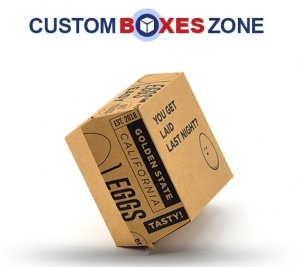
Taking the time to notice small details helps us live more fully. Like watching a sunbeam hit a Cardboard Boxes or feeling its rough texture. Practicing daily gratitude for these little things can boost mental health. Tip: Spend a few minutes each day noticing what’s around you—be it a plant, a song, or a simple object. It grounds you in the present.
Real-world example: Companies embracing minimalism and simplicity
Many brands now focus on promoting simple pleasures. Think of tiny houses or minimalist lifestyles—people choosing less clutter and more meaning. These groups show us that happiness often comes not from excess but from appreciating what we already have.
Creativity and Imagination Unleashed
Transforming a plain box into endless possibilities
A cardboard box can turn into a robot, dollhouse, or rocket—all with a little effort. These projects stimulate children’s brains and help develop problem-solving skills. Adults can also benefit from this kind of play. Creating something with your hands makes your mind more flexible and opens up new ways of thinking.
Encouraging creative thinking in daily life
Want more creativity at home or work? Set up a “creative corner,” a space where ideas and supplies are always available. Use simple objects like cardboard for quick projects or brainstorming sessions. Creativity isn’t just for artists; it’s a useful skill in everyday problem-solving.
Expert insights: The role of imagination in mental health
Child development experts stress that imaginative play boosts confidence and reduces stress. Psychologists agree that being creative helps us express emotions and cope with life’s ups and downs. When we give ourselves permission to imagine, we find new ways to handle problems.

Resilience and Flexibility: Lessons from the Cardboard Box
Learning to adapt and persevere
Custom Boxes isn’t the toughest material, but it’s surprisingly resilient. It can be patched, taped, and reused. Life’s challenges are similar. When things break or don’t go as planned, we can choose to build again, adapt, and keep moving forward.
Reimagining setbacks as opportunities
Recycling and upcycling teach us that waste can become something new. When faced with obstacles, think of them as chances to get creative. Instead of giving up, look for ways to transform problems into solutions. This mindset helps us grow stronger and smarter.
Real-world example: Upcycling movement and sustainable practices
Many communities now turn trash into treasures. Art projects using recyclable materials show how waste can become beauty. These efforts remind us that small actions, like repurposing a cardboard box, can have a big environmental impact.
The Value of Waste and Minimalism
Rethinking consumption and materialism
Valuing less has many benefits. It reduces clutter, lowers stress, and helps the environment. A simple cardboard box can symbolize the importance of mindful consumption. When we choose quality over quantity, we find more satisfaction.
Practicing intentional living
Declutter your space and focus on meaningful experiences. Use mindfulness to decide what to keep and what to let go. For example, instead of chasing the newest gadget, spend time with loved ones or enjoy nature.
Expert quote: Environmental advocates emphasize reducing waste
Reducing waste isn’t just good for the planet—it’s good for us too. Data shows that cutting down on unnecessary purchases and reusing materials can slow climate change and lower pollution.

Building Connections through Shared Experiences
Bonding over shared projects involving cardboard boxes
Families, neighbors, or coworkers can bond over creative projects. Building a fort or crafting art from recycled materials encourages teamwork and fun. Shared efforts strengthen relationships and create lasting memories.
Lessons in cooperation, patience, and empathy
Working together on DIY projects fosters patience, understanding, and cooperation. These skills go beyond craft days—they make us better friends, team members, and community members.
Real-world example: Community art projects utilizing recyclable materials
Many neighborhoods host art festivals made from trash, showing how teamwork can turn waste into wonder. These events inspire others to see the beauty and value in simple things.
Conclusion
A humble cardboard box holds more lessons than most objects in our lives. It teaches us to appreciate simple pleasures, spark creativity, be resilient, live sustainably, and connect more deeply with others. Sometimes, the key to happiness is right in front of us—just waiting to be treasured.
So, next time you see a box, think twice before tossing it out. Use it to dream, create, or share. Embrace the simple joys and discover the profound wisdom hidden in everyday, modest objects. Life’s greatest treasures are often the simplest ones.