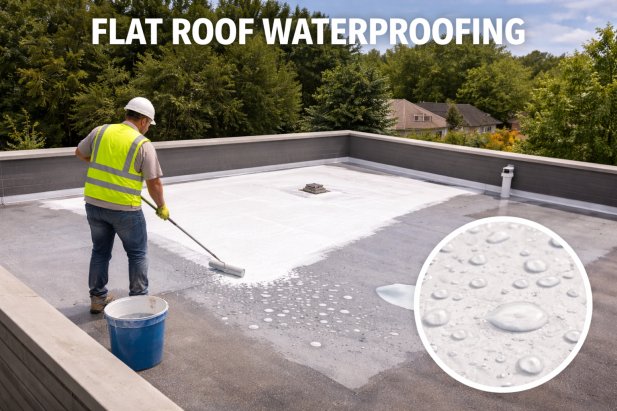

Flat roofs are becoming increasingly popular in both residential and commercial architecture from sleek modern homes to functional rooftop patios and terrace spaces. But despite their aesthetic appeal and versatility, flat roofs come with a unique challenge: water management. Unlike pitched roofs, flat roofs don’t naturally drain water. Rainwater can pool, causing weak points that lead to leaks, structural damage, and costly repairs if not properly addressed.
What Is Flat Roof Waterproofing (And Why It Matters)
At its core, flat roof waterproofing is the strategic application of materials and systems designed to make a flat or low-slope roof completely impermeable to water intrusion. It involves multiple layers from membranes and sealants to coatings and drainage planning that work together to protect the building beneath.
Without effective waterproofing, water can penetrate roofing layers, damage insulation, degrade structural components, and even impact interior spaces through mold and ceiling stains. Waterproofing extends roof lifespan, reduces maintenance costs, and safeguards a building’s long-term value.
Common Waterproofing Systems & Materials
There is a range of trusted waterproofing materials available today — each with specific benefits depending on the roof’s design, climate, and usage:
EPDM Roofing Membranes
A synthetic rubber membrane known for durability and flexibility. EPDM handles UV exposure well and adapts to temperature changes. Professional installation ensures seams are watertight.
TPO (Thermoplastic Olefin)
A lightweight, reflective membrane that resists UV and chemical exposure. Welded seams form strong, waterproof bonds ideal for commercial roofs.
PVC Roofing Membranes
PVC offers outstanding waterproofing with excellent chemical resistance. While more expensive, it performs well over long periods with proper installation.
Liquid-Applied Waterproof Coatings
These coatings (acrylic, polyurethane, silicone) are applied like paint and form seamless protective seals over the roof surface — a flexible solution that conforms to irregular shapes.
Built-Up Roofing (BUR) & Modified Bitumen
Traditional systems using layers of reinforcing fabrics and asphalt offer a proven, heavy-duty waterproof barrier — especially for larger commercial applications.
Best Practices for Long-Lasting Waterproofing
1. Surface Preparation:
The roof surface should be cleaned, leveled, and free of defects before any waterproofing is applied. Proper prep ensures adhesion and performance.
2. Proper Drainage:
Even with waterproof membranes, a flat roof needs subtle slopes and clean drains to avoid ponding, where water accumulates and accelerates material degradation.
3. Seam & Penetration Sealing:
Leaks often occur around vents, skylights, and roof edges. Meticulous sealing and flashing work are essential to maintain waterproof integrity.
4. Regular Inspection & Maintenance:
Routine checks — especially after heavy rainfall or storms catch small problems before they become major failures. This includes clearing debris and ensuring drainage paths stay functional.
Residential & Walkable Roof Solutions
For homes with rooftop terraces or patios, waterproofing must also support traffic and provide comfort. This often means adding protective layers above the membrane, drainage mats, and anti-slip finishes ensuring usability without compromising waterproofing performance.
Professional Installation: Worth the Investment
While DIY waterproofing might seem cost-effective, professional installation offers significant advantages:
-
Technical expertise with complex roof details
-
Manufacturer warranty support
-
Proper material application and safety compliance
-
Longer lifespan and peace of mind for property owners
Conclusion
Waterproofing is not optional when it comes to flat roofs it’s a necessity. Whether you’re installing a new roof or upgrading an existing one, choosing the right waterproofing system and a skilled contractor ensures your flat roof stands up to weather, time, and usage. Investing in quality waterproofing today can save substantial costs tomorrow.