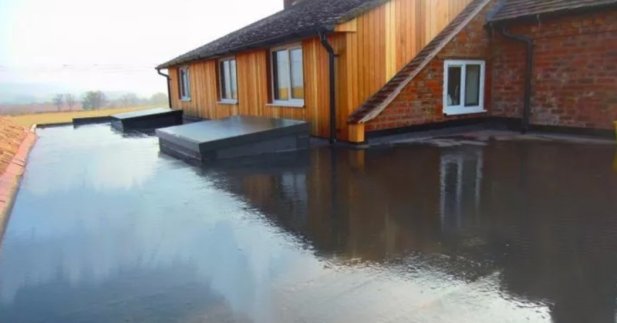

Flat roofs are increasingly popular for residential and commercial buildings because of their modern appearance and efficient use of space. However, unlike sloped roofs, flat roofs do not naturally drain water. This makes waterproofing essential. Without proper protection, standing water can lead to leaks, damaged insulation, and costly structural repairs. A well planned waterproofing system protects the roof surface and helps extend the life of the entire building.
What Is Flat Roof Waterproofing?
Flat roof waterproofing is the process of creating a continuous barrier that prevents water from entering the roof system. This is achieved using membranes, coatings, sealants, and protective layers designed to keep moisture out. Since flat roofs are more prone to ponding water, waterproofing plays a critical role in preventing leaks and long term deterioration. When installed correctly, a waterproofing system significantly improves roof durability and performance.
Common Waterproofing Materials and Systems
Selecting the right waterproofing solution depends on the roof design, climate, and how the building is used. Some of the most commonly used systems include:
EPDM Membranes
EPDM is a flexible synthetic rubber membrane known for its durability and weather resistance. It performs well on low slope and flat roofs but requires properly sealed seams for effective waterproofing.
TPO Roofing Systems
TPO membranes are lightweight and resistant to UV exposure. Heat welded seams create a strong waterproof seal, making TPO a popular choice for both residential and commercial buildings.
PVC Roofing Membranes
PVC offers excellent resistance to moisture and chemicals. While it can be more expensive, it provides reliable long term protection when installed by professionals.
Liquid Applied Waterproofing
Liquid systems such as acrylic, polyurethane, and silicone coatings are applied directly to the roof surface. These create a seamless waterproof layer and are ideal for roofs with complex details or penetrations.
Built Up Roofing and Modified Bitumen
These traditional systems use multiple layers of asphalt and reinforcing materials to form a durable waterproof barrier, often used for commercial properties.
Waterproofing for Concrete and Walkable Roofs
Concrete flat roofs are naturally porous, making waterproofing especially important. Proper surface preparation, membranes, and drainage planning are required to prevent water penetration. Walkable roofs and terraces also need added protective layers to handle foot traffic without damaging the waterproofing system.
Maintenance and Professional Installation
Even the best waterproofing systems require regular inspections and maintenance. Clearing drains and addressing minor issues early helps prevent major damage. Professional installation ensures correct material selection, proper detailing, and long lasting results.
Conclusion
Flat roof waterproofing is not optional. It is essential for preventing leaks, protecting structural components, and extending roof lifespan. With the right materials, expert installation, and ongoing maintenance, a flat roof can remain durable and leak free for many years.