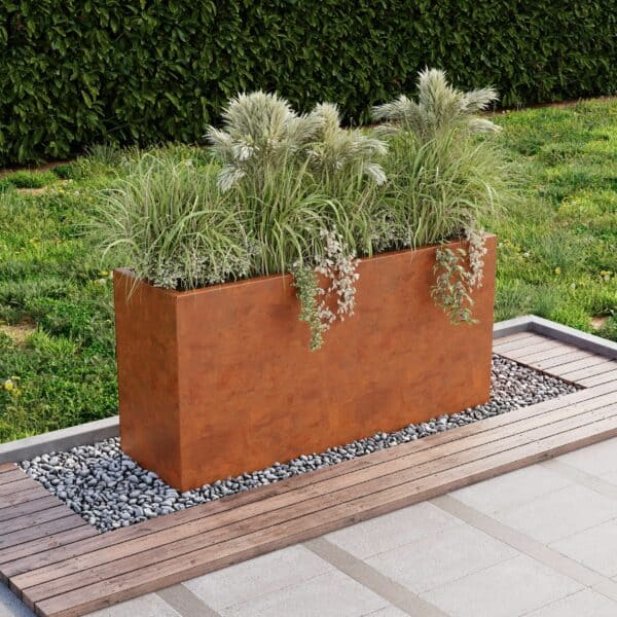

Metal troughs have moved far beyond their agricultural roots. Today, they are a popular choice for gardeners, landscapers, and designers who want durability, clean lines, and flexibility in planting. However, success with any Metal Trough Planter starts with proper preparation. Without the right steps, plants may struggle, drainage can fail, and rust may shorten the life of the container.
This guide walks you through a practical, step-by-step approach to preparing a metal trough for planting. Along the way, you’ll learn how to protect plant health, improve drainage, and make your planter last for years, whether it sits on a patio, balcony, or open garden.
Understanding Your Metal Trough Before You Start
Before adding soil or plants, it helps to understand what you’re working with. A metal trough is typically made from galvanized steel, aluminum, or powder-coated metal. Each material handles moisture and temperature differently. Galvanized steel resists rust well, while powder-coated finishes add an extra protective layer.
Because metal conducts heat, it warms up faster than ceramic or wood. As a result, roots may experience temperature swings. That’s why preparation is not optional; instead, it acts as a protective system for both plants and container.
At this stage, inspect the trough carefully. Look for sharp edges, factory residue, or sealed bases that could block water flow later. Addressing these early saves time and prevents problems once planting begins.
Cleaning and Preparing the Interior Surface
Even brand-new planters can carry oils, dust, or residues from manufacturing and transport. Therefore, cleaning is the first hands-on step.
Wash the inside thoroughly using warm water and mild soap. Avoid harsh chemicals because they may linger and affect soil quality. After rinsing, allow the trough to dry fully. If the metal feels slick or uneven, lightly scuff the interior using fine sandpaper. This step improves adhesion if you plan to add a liner or protective coating.
While cleaning, check corners and seams closely. Any gaps or weak spots should be sealed with a plant-safe waterproof sealant. This ensures moisture stays where it belongs and does not degrade the metal over time.
Creating Proper Drainage for Healthy Roots
Drainage is the most critical factor when working with planting troughs. Without it, roots suffocate, soil compacts, and plants decline quickly.
If your trough does not already have drainage holes, drill them now. Space holes evenly along the bottom, keeping them slightly away from edges to maintain strength. For most sizes, holes every 6 to 8 inches work well.
Once holes are in place, cover them lightly with mesh or landscape fabric. This allows water to flow out freely while keeping soil inside. Unlike rocks alone, fabric prevents clogging and maintains consistent drainage.
At this point, you’ve created a foundation that supports root oxygen, which directly improves plant growth and longevity.
Adding a Protective Layer Inside the Trough
Although metal is tough, constant exposure to wet soil can reduce its lifespan. Adding a protective layer inside the trough creates a buffer between moisture and metal.
Many gardeners use a heavy-duty plastic liner or pond liner trimmed to fit the interior. Cut small slits where drainage holes align so water can escape properly. Another option includes using breathable landscape fabric combined with a thin insulation layer.
This step becomes especially important when using trough metal planters outdoors, where rain and temperature changes increase stress on materials. A well-installed liner also stabilizes soil temperature, protecting roots during hot afternoons.
Choosing the Right Soil Mix for Metal Troughs
Soil choice can make or break your planter. Standard garden soil often compacts too tightly inside containers. Instead, use a high-quality potting mix designed for containers.
Start with a lightweight base that includes organic matter for nutrients and perlite or sand for drainage. For deeper trough planter designs, blending compost into the mix improves structure and long-term fertility.
Fill the trough gradually, pressing lightly but never packing soil tightly. Loose soil allows roots to spread easily and water to move evenly through the container. As you fill, stop a few inches below the rim to allow space for watering.
Selecting Plants That Thrive in Metal Troughs
Plant selection should match the trough’s size, location, and exposure. Shallow troughs work best for herbs, succulents, and leafy greens. Deeper planter trough designs support ornamental grasses, flowering annuals, or compact shrubs.
Because metal heats up quickly, drought-tolerant plants often perform better in sunny locations. In contrast, shaded areas support moisture-loving varieties more comfortably.
When arranging plants, space them generously. Crowding limits airflow and increases disease risk. This approach works particularly well for trough planters outdoor, where wind and sun exposure vary throughout the day.
Watering and Ongoing Maintenance Tips
Once planted, watering habits determine long-term success. Metal containers dry faster than traditional beds, so check moisture levels regularly. Water deeply until excess drains out of the bottom, then allow the top layer to dry slightly before the next watering.
Mulching the surface with bark chips or straw reduces evaporation and keeps roots cooler. Over time, inspect drainage holes to ensure they remain clear.
Seasonally, refresh soil nutrients by adding compost or slow-release fertilizer. With proper care, well-prepared trough planters remain productive and visually appealing for years.
Conclusion: Setting Yourself Up for Long-Term Success
Preparing a metal trough for planting does not require complex tools or advanced skills. It requires attention to detail. Cleaning, drainage, protection, and soil choice all work together. When done correctly, plants grow stronger and maintenance becomes easier. The trough also lasts longer and keeps its appearance.
Whether you are designing decorative planting troughs or functional garden containers, preparation sets the foundation for success. With guidance inspired by real-world fabrication experience at Deluxe Metal Fab, your metal trough can support healthy plants and lasting performance season after season.