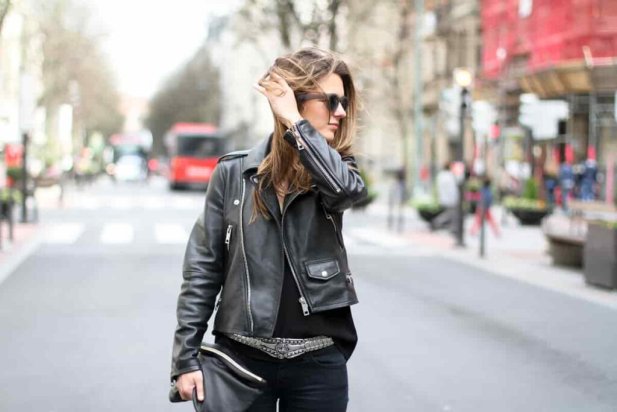

Motorcycle gear is more than just style, it is survival. Riders know that the road can be unpredictable, and the right jacket can mean the difference between walking away from a fall or facing serious injury. While design and looks often steal the spotlight, the true protection of a leather motorcycle jacket comes down to three technical factors: leather thickness, stitching quality, and armor placement.
In this article, we will break down why these details matter, how they work together, and what you should look for when choosing your next riding jacket.
Why Protection Matters in Motorcycle Jackets
When you are on two wheels, you do not have the luxury of airbags or crumple zones. Your gear is your shield. Leather jackets have been the gold standard for decades because they combine abrasion resistance with comfort and timeless style. But not all jackets are built the same.
A premium leather biker jacket mens or a womens leather motorcycle jacket does more than elevate your look, it is engineered to protect your skin, muscles, and bones in high-impact scenarios. Understanding the science behind thickness, stitching, and armor will help you choose a jacket that offers real-world safety, not just aesthetics.
The Role of Leather Thickness
What Does Thickness Mean?
Leather thickness refers to the measurement of the hide, typically in millimeters. Motorcycle jackets usually range from 1.0 mm to 1.4 mm or more. This may sound small, but the difference is huge when it comes to protection.
-
1.0 mm – 1.1 mm: Lightweight, flexible, and good for casual riding. Offers moderate abrasion resistance.
-
1.2 mm – 1.3 mm: The sweet spot for most bikers, balances durability with comfort and is often used in high-quality motorcycle gear.
-
1.4 mm and above: Maximum abrasion protection, though heavier and stiffer. Often preferred for professional riders or track use.
Why It Matters
The thicker the leather, the longer it takes to wear through during a slide. A jacket made of 1.3 mm drum-dyed cowhide can withstand several seconds of sliding on asphalt compared to thinner leathers that may wear through in just a second or two. Those extra seconds can mean avoiding painful road rash or worse.
How Stitching Determines Strength
Beyond Looks: Functional Stitching
When most people think of stitching, they think of aesthetics. But for riders, stitching is life-saving engineering. The strength and type of thread, as well as the stitching method, directly impact how well the jacket holds up under stress.
Types of Protective Stitching
-
Double Stitching: Uses two parallel stitches for reinforcement, ensuring seams do not burst open in impact zones.
-
Triple or Safety Stitching: Adds a third layer of reinforcement, common in racing gear for maximum safety.
-
Hidden Stitching: Seams placed inside layers of leather to reduce exposure to abrasion.
Common Failure Points
Low-quality jackets often use single stitching with cheap nylon thread, which can snap on first impact. Once the seams split, the leather panels separate, leaving skin exposed. Premium motorcycle jackets, on the other hand, use bonded nylon or Kevlar threads, specifically designed to withstand both abrasion and tension.
The Importance of Armor
What is Motorcycle Armor?
Armor refers to protective pads inserted into pockets in the jacket at key impact areas such as shoulders, elbows, and back. These pads are typically made of materials like CE-rated foam, viscoelastic polymers, or even advanced D3O technology that hardens upon impact.
Where Armor Matters Most
-
Shoulders and Elbows: First points of contact in most falls. Reinforced armor prevents fractures and soft tissue injuries.
-
Back Protector: Protects the spine and kidneys, reducing the risk of life-threatening injuries.
-
Chest Armor (optional): Adds protection for ribs and lungs in frontal impacts.
CE Ratings Explained
Armor is tested and certified under CE (Conformité Européenne) standards.
-
Level 1: Basic impact protection suitable for casual riding.
-
Level 2: Higher energy absorption, recommended for serious riders and long-distance touring.
A high-quality jacket should come with CE Level 2 armor or at least have armor pockets that allow riders to upgrade.
How These Three Factors Work Together
Leather thickness, stitching, and armor are like a three-legged stool. You need all of them for balance.
-
Thick leather resists abrasion, preventing skin contact with asphalt.
-
Strong stitching keeps panels intact, ensuring protective coverage remains in place.
-
Impact armor absorbs shock and reduces bone or joint injuries.
Neglect one, and the protection is compromised. For example, thick leather without reinforced stitching may still burst open at seams. Likewise, armor in a poorly stitched jacket may shift out of place during impact.
Comfort vs. Protection: Striking the Balance
One of the biggest concerns riders have is comfort. Nobody wants a jacket that feels like a straightjacket. That is why modern motorcycle jackets are designed with features like:
-
Accordion stretch panels for mobility.
-
Perforated leather for ventilation.
-
Removable liners for all-season adaptability.
-
Strategic paneling to balance thick leather in impact zones with lighter materials in less vulnerable areas.
The goal is to give riders gear they will actually wear, because protection only works when it is on your body.
Choosing the Right Jacket for You
When shopping, ask yourself:
-
What kind of riding do I do most (casual, highway, touring, track)?
-
Do I prioritize comfort, maximum protection, or a balance?
-
Does the jacket offer upgradeable armor pockets?
-
What thickness of leather is used?
-
Is the stitching double or triple reinforced?
A Note on Men’s and Women’s Jackets
Both men’s and women’s jackets can provide the same level of safety when designed properly. The main differences come down to cut and ergonomics. A leather biker jacket mens version often features broader shoulders and longer torsos, while a womens leather motorcycle jacket is tailored to fit curves without sacrificing protection. What matters most is ensuring the jacket is not just fashionable but built with safety-first engineering.
Conclusion
Every rider deserves a jacket that does more than turn heads. Leather thickness, advanced stitching, and impact armor are not extras, they are essentials. Together, they transform a simple piece of clothing into a life-saving tool.
If you are ready to upgrade your protection with gear that blends timeless style with cutting-edge safety. From classic leather biker jackets for men to women’s leather motorcycle jackets designed with precision, they offer premium apparel that does not compromise on safety or style.