
When you work in a controlled environment, even the smallest contamination can compromise your entire process. Whether you're handling sensitive electronics, pharmaceuticals, or laboratory samples, you need a reliable way to transfer materials without exposing your cleanroom to external pollutants. That’s where a cleanroom passthrough becomes essential.
By integrating a cleanroom passthrough system, you create a controlled barrier that significantly reduces contamination risk while maintaining operational efficiency. Understanding how this system works—and how to use it effectively—can help you protect your processes, products, and reputation.
What Is a Cleanroom Passthrough?
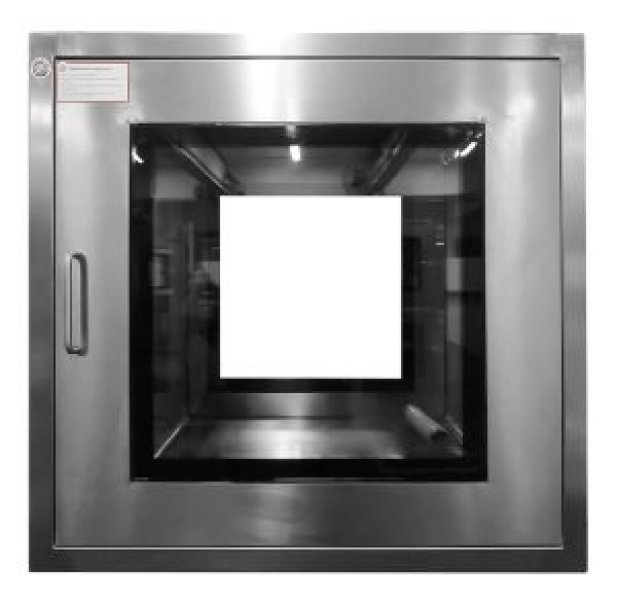
A cleanroom passthrough is an enclosed chamber installed between two areas, typically separating a cleanroom from a less controlled environment. It allows you to transfer materials without requiring personnel to enter or exit the cleanroom, which is one of the most common sources of contamination.
Instead of opening doors and disrupting airflow, you place items into the passthrough from one side, close the door, and retrieve them from the other side once conditions are stabilized.
If you’re looking to improve contamination control, investing in a high-performance Cleanroom Passthrough system for sterile material transfer can be a game changer for your facility.
How a Cleanroom Passthrough Reduces Contamination Risk
Minimizes Human Traffic
Every time someone enters or exits a cleanroom, they bring particles with them—no matter how strict your gowning protocols are. By using a passthrough, you eliminate unnecessary movement, which directly lowers the number of contaminants introduced.
You reduce dependency on human handling and instead rely on a controlled transfer process.
Maintains Air Pressure Integrity
Cleanrooms rely on precise air pressure differentials to keep contaminants out. Opening doors frequently disrupts this balance, allowing unfiltered air to enter.
A passthrough preserves this pressure by acting as a buffer zone. Interlocking doors ensure that only one side opens at a time, preventing cross-contamination and maintaining airflow stability.
Supports Controlled Decontamination
Many passthrough systems include features such as HEPA filtration, UV sterilization, or air showers. These technologies actively remove or neutralize contaminants before items enter the cleanroom.
By incorporating a Cleanroom Passthrough solution with built-in filtration and decontamination features, you add an extra layer of protection to your workflow.
Reduces Cross-Contamination Between Zones
If your facility has multiple cleanroom classifications, transferring materials between them can be risky. A passthrough allows you to safely move items between zones without exposing either side to contamination.
This is especially useful in environments where different processes require varying levels of cleanliness.
Improves Process Efficiency
While contamination control is the primary goal, efficiency also matters. A passthrough system streamlines material transfer, reducing delays caused by gowning procedures or restricted access.
You can maintain productivity without compromising cleanliness standards.
Best Practices for Using a Cleanroom Passthrough
To get the most out of your system, you need to use it correctly. Here are some actionable steps you can implement immediately:
Always follow proper loading protocols: Ensure items are clean before placing them inside the chamber.
Avoid overloading: Overcrowding can reduce the effectiveness of airflow and filtration.
Use interlock systems correctly: Never attempt to override safety mechanisms.
Schedule regular maintenance: Replace filters and inspect seals to maintain performance.
Train your team: Proper usage is critical to achieving contamination control goals.
When you combine the right equipment with disciplined procedures, you significantly reduce contamination risks.
Choosing the Right Cleanroom Passthrough
Not all passthrough systems are created equal. When selecting one, consider the following:
Material compatibility: Stainless steel is often preferred for durability and cleanliness.
Filtration level: HEPA or ULPA filters enhance particle removal.
Size and configuration: Ensure it fits your workflow and facility layout.
Additional features: UV lights, air showers, and alarms can enhance safety.
If you're unsure which system fits your needs, it's a smart move to Contact us today for expert guidance on cleanroom passthrough solutions tailored to your application.
Common Applications
Cleanroom passthroughs are widely used across industries where contamination control is critical, including:
- Pharmaceutical manufacturing
- Semiconductor production
- Biotechnology labs
- Medical device assembly
- Aerospace component handling
No matter your industry, the goal remains the same: maintain a controlled environment while enabling efficient operations.
Final Thoughts
Reducing contamination risk isn’t about a single solution—it’s about building a system that works together. A cleanroom passthrough plays a crucial role in that system by minimizing human interaction, maintaining airflow integrity, and enabling controlled material transfer.
When you implement the right passthrough and follow best practices, you create a safer, more efficient cleanroom environment. That translates into better product quality, fewer errors, and stronger compliance with industry standards.
FAQs
What is the main purpose of a cleanroom passthrough?
The main purpose is to transfer materials between controlled and uncontrolled environments without introducing contaminants into the cleanroom.
How does a cleanroom passthrough improve contamination control?
It reduces human traffic, maintains air pressure, and often includes filtration or sterilization features to remove contaminants before entry.
Are all cleanroom passthroughs equipped with HEPA filters?
No, not all models include HEPA filters. However, many advanced systems offer them as an option for enhanced contamination control.
Can a passthrough be used between two cleanrooms?
Yes, it is commonly used to transfer materials between cleanrooms of different classifications while preventing cross-contamination.
How often should a cleanroom passthrough be maintained?
Regular maintenance depends on usage, but routine inspections and filter replacements should be scheduled to ensure optimal performance.
Is training required to use a cleanroom passthrough?
Yes, proper training ensures that staff follow correct procedures and do not compromise the system’s contamination control capabilities.