
When you perform sensitive laboratory testing, environmental conditions can directly influence your results. Moisture, oxidation, and airborne contaminants can easily alter the properties of materials being analyzed. To maintain accurate and repeatable outcomes, you need equipment that protects samples from these variables. A vacuum desiccator chamber plays a critical role in achieving that control.
By removing air and reducing moisture levels inside a sealed environment, a vacuum desiccator chamber allows you to test materials under stable and contamination-free conditions. Whether you work in research labs, electronics testing, pharmaceuticals, or materials science, understanding how this equipment improves reliability will help you produce better data and maintain consistent quality standards.
Maintaining a Controlled Low-Moisture Environment
One of the biggest challenges in laboratory testing is moisture interference. Even small amounts of humidity can change chemical reactions, affect weight measurements, or cause corrosion in sensitive components.
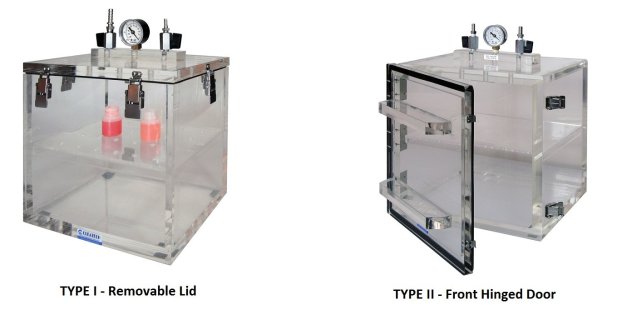
A vacuum desiccator chamber solves this problem by creating a low-pressure environment that removes air and moisture. When you place your samples inside and apply vacuum, the chamber extracts humidity that could otherwise compromise testing conditions.
This controlled atmosphere allows you to:
- Protect moisture-sensitive samples
- Stabilize test materials before analysis
- Prevent condensation during experiments
- Maintain consistent environmental conditions
Using a high-performance laboratory Vacuum Desiccator Chamber for moisture-sensitive testing ensures that your samples remain unaffected by humidity fluctuations.
Improving Accuracy in Material Testing
Testing accuracy depends heavily on sample integrity. If environmental factors alter your samples during preparation or storage, your results may become unreliable.
A vacuum desiccator chamber allows you to remove trapped gases and moisture before testing begins. This is particularly important when you are working with materials such as:
- Electronic components
- Polymers and resins
- Chemical compounds
- Optical materials
By stabilizing the sample environment, you minimize variations that could distort measurements. As a result, your testing process becomes more consistent and reproducible.
For laboratories focused on quality control and research validation, this level of environmental stability is essential.
Preventing Oxidation and Chemical Degradation
Certain materials react quickly with oxygen or moisture in the air. When oxidation occurs, chemical composition may change, leading to inaccurate test results.
A vacuum desiccator chamber reduces the amount of oxygen present by removing air from the chamber. This protective environment helps you preserve sensitive materials during preparation, storage, and testing.
For example, when handling pharmaceutical compounds or reactive chemicals, oxidation can compromise experimental outcomes. Using vacuum protection keeps your materials in their original state so your tests reflect true performance rather than environmental damage.
Enhancing Reliability in Quality Control
If your organization relies on laboratory testing for product validation, consistency is critical. Manufacturers must verify that materials meet required standards before they move into production or distribution.
A vacuum desiccator chamber supports quality control by ensuring that samples remain unaffected by external humidity or oxygen exposure. This allows your testing procedures to produce repeatable results across multiple batches.
Reliable environmental control improves your ability to detect defects, verify performance, and maintain compliance with industry standards.
Improving Laboratory Efficiency
Laboratory workflows become more efficient when you can rely on controlled environments for sample handling. Instead of worrying about contamination or moisture exposure, you can focus on performing accurate experiments.
A vacuum desiccator chamber simplifies several processes:
- Sample storage before testing
- Drying procedures
- Degassing operations
- Moisture control during preparation
If you want to upgrade your laboratory testing capabilities or explore customized equipment solutions, you can Contact us today for expert vacuum desiccator chamber guidance and find the right system for your lab.
Conclusion
Accurate laboratory testing requires precise environmental control. Moisture, oxygen, and airborne contaminants can significantly alter sample properties, leading to unreliable results.
A vacuum desiccator chamber provides a stable, low-moisture environment that protects sensitive materials and improves testing consistency. From sample preparation and drying to oxidation prevention and electronics protection, this equipment plays a crucial role in modern laboratories.
When you integrate a vacuum desiccator chamber into your testing workflow, you gain better control over environmental variables, improve accuracy, and ensure that your results reflect true material performance.
FAQ: Vacuum Desiccator Chamber
What is a vacuum desiccator chamber used for?
A vacuum desiccator chamber is used to remove air and moisture from a sealed container to create a controlled environment. Laboratories use it to dry samples, prevent oxidation, and maintain stable testing conditions.
Why is a vacuum desiccator important for laboratory testing?
It prevents humidity and oxygen from affecting sensitive materials, ensuring accurate and repeatable experimental results.
How does a vacuum desiccator chamber remove moisture?
The chamber uses a vacuum pump to lower internal pressure. Reduced pressure allows moisture to evaporate more quickly and removes air that contains humidity.