
Many insurance organizations operating in the United States must manage complex licensing requirements across multiple states. One important concept within this system is the Florida Designated Home State (DHS) Adjuster License.For professionals in states that do not issue adjuster licenses, this designation becomes essential. It enables them to meet regulatory requirements and continue working within the broader insurance ecosystem.In modern insurance operations, understanding how licensing structures function is critical for maintaining compliance and avoiding operational disruptions.
Defining the Florida DHS Adjuster License
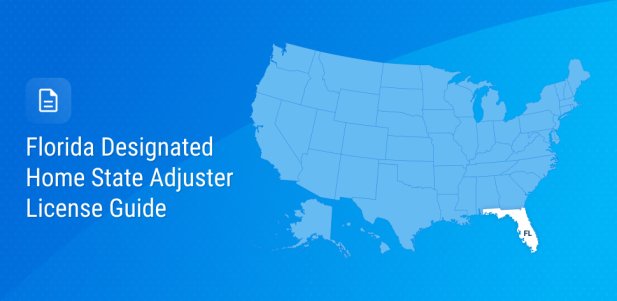
A Florida DHS Adjuster License is a regulatory solution designed for adjusters whose resident state does not provide a licensing framework.
A home state license is required before applying for non-resident licenses. When that is not available, Florida serves as the designated home state.
This ensures:
- Standardized qualification requirements
- Regulatory consistency
- Eligibility for multi-state operations
Industry regulations require all adjusters to hold valid licensing credentials before engaging in insurance activities.
How Licensing Impacts Insurance Operations
Licensing is directly tied to multiple operational functions in the insurance industry.
Insurance carriers must verify licensing before:
- Assigning a producer code
- Approving appointments
- Allowing transaction processing
A producer code is a unique identifier used by carriers to track individuals within their systems.
Without proper licensing:
- Adjusters cannot operate legally
- Compliance risks increase
- Operational delays occur
Compliance teams often face challenges when managing these requirements manually.
Workflow for Obtaining and Using DHS License
The process of managing a DHS license involves multiple steps that must be followed accurately.
Typical process flow:
- Complete education requirements
- Pass necessary examinations
- Apply via NIPR
- Receive Florida DHS approval
- Apply for non-resident licenses
- Track renewals and compliance
Each step plays a role in ensuring regulatory alignment.Many insurance organizations use automated systems to manage this workflow efficiently.
Challenges in Multi-State Licensing Management
Operating across multiple states introduces complexity in compliance management.
Common challenges include:
- Tracking different state requirements
- Managing renewal timelines
- Ensuring data accuracy
- Handling large volumes of licenses
In regulated environments, even small errors can lead to compliance violations.This is why modern insurance systems require centralized platforms for managing licensing, appointments, and producer data.
Using Technology to Improve Compliance Efficiency
Automation has become a key component in insurance compliance management.
Compliance software allows organizations to:
- Track licenses in real time
- Manage appointment data
- Automate renewal reminders
- Generate compliance reports
Agenzee functions as an insurance automation platform and producer management system, helping agencies and carriers maintain regulatory alignment.Many carriers today rely on such systems to reduce manual effort and improve accuracy.Make compliance management simpler and more efficient.Discover the benefits of Agenzee:https://agenzee.com/
Best Practices for Compliance Teams
To effectively manage DHS licensing, compliance teams should follow structured approaches.
Best practices include:
- Centralizing all licensing data
- Automating compliance workflows
- Regularly auditing license status
- Integrating systems with NIPR
- Maintaining updated records
Regulatory guidelines emphasize the importance of accurate and timely compliance management.
For additional insights, explore this insurance compliance software overview: https://agenzee.com/florida-designated-home-state-adjuster-license-what-you-need-to-know/
Conclusion
The Florida Designated Home State Adjuster License provides a necessary pathway for adjusters to meet licensing requirements in the absence of a resident state license.In the broader insurance landscape, proper licensing supports compliance, operational efficiency, and regulatory alignment.As insurance organizations scale and expand across states, adopting automation and centralized compliance systems becomes essential.Solutions like Agenzee enable organizations to manage licensing, appointments, and producer data effectively, ensuring consistent compliance in complex regulatory environments.