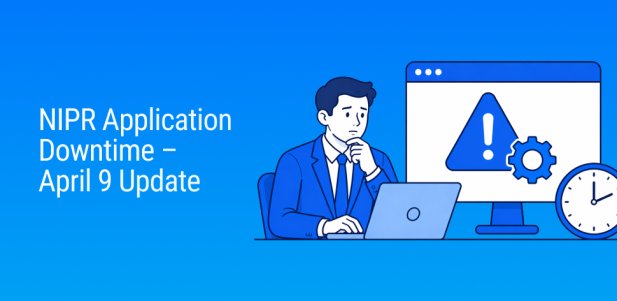

Insurance compliance depends heavily on uninterrupted access to regulatory systems. The recent NIPR outage illustrates how even planned downtime can disrupt licensing workflows. Agencies and carriers must understand these risks and implement systems that ensure continuity.
Why NIPR is Critical for Licensing Operations
NIPR serves as the backbone of producer licensing in the United States. It connects state regulators, insurance carriers, and agencies.A producer must hold an active license before being appointed by a carrier. This makes NIPR essential for verifying compliance.
Immediate Effects of Downtime on Insurance Workflows
When NIPR is unavailable:
- Licensing transactions are paused
- Compliance checks are delayed
- Appointment approvals cannot proceed
These issues affect both operational efficiency and regulatory compliance.
Risk Factors for Agencies and Carriers
Compliance teams often face increased risk during system outages:
- Missing renewal deadlines
- Incomplete licensing verification
- Delayed onboarding of producers
Regulatory requirements require accurate and up-to-date licensing records
 .
.
How Compliance Platforms Support Continuity
Platforms like Agenzee provide a centralized compliance environment. They help organizations:
- Track licenses across states
- Monitor appointment status
- Manage producer codes
- Automating compliance workflows
A producer compliance system reduces dependency on external systems.
Best Practices for Managing Downtime
Insurance organizations must adopt structured approaches:
- Maintain internal compliance databases
- Use automated alerts for renewals
- Pre-process licensing tasks
- Ensure data synchronization
Many insurance organizations use automation tools to improve resilience.
Conclusion
NIPR downtime highlights the importance of preparation and automation in insurance compliance. By adopting tools like Agenzee, organizations can ensure that operations continue without disruption.