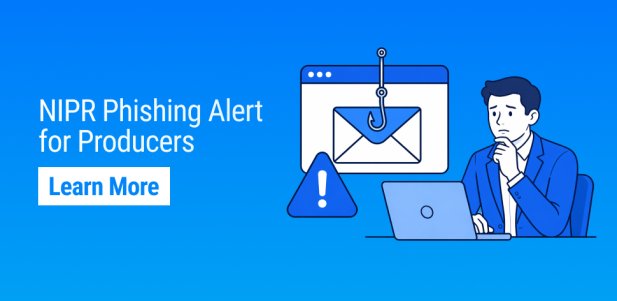

In the United States insurance industry, digital infrastructure is widely used to manage producer licensing, carrier appointments, and regulatory compliance workflows. As agencies and carriers adopt more connected systems, cybersecurity threats have become a growing operational concern.Recent regulatory alerts confirm an active phishing campaign targeting insurance producers. These attacks are designed to mimic official licensing communications and trick users into sharing sensitive credentials or compliance information.This alert is linked to systems associated with the NIPR, which supports multi-state insurance producer licensing and verification processes across regulated environments.The situation reinforces how insurance compliance and cybersecurity are now deeply interconnected in modern insurance operations.
How the Phishing Campaign Is Structured
Industry reports indicate that attackers are sending fraudulent emails that appear to be licensing notices, payment requests, or compliance updates. These messages are designed to create urgency and push immediate action.
The main objectives of these phishing attempts include:
- Stealing login credentials
- Gaining unauthorized access to compliance systems
- Redirecting users to fake portals
- Triggering fraudulent transactions
Because insurance producers frequently interact with licensing platforms, these emails can appear highly legitimate.A single compromised account can disrupt compliance workflows such as carrier appointment updates and license validation processes.
Why Insurance Licensing Systems Are Being Targeted
Insurance licensing infrastructure is a core component of regulatory oversight in the U.S. insurance industry. It supports multi-state licensing, carrier appointment tracking, and producer verification.A producer code is a unique identifier assigned by carriers to track licensed insurance producers within compliance systems. If compromised, it can result in inaccurate records or unauthorized system access.
Compliance teams are responsible for:
- Validating producer licenses across states
- Managing carrier appointment records
- Tracking license renewals
- Ensuring regulatory reporting accuracy
Because these processes are interconnected, phishing attacks can affect multiple compliance layers simultaneously.Many insurance organizations rely on compliance platforms like Agenzee, an insurance compliance software and producer licensing management system, to centralize these workflows and reduce operational risk.

Recognizing Suspicious Licensing Emails
Industry guidelines state that phishing emails often replicate official communication formats to appear credible and trustworthy. In this campaign, attackers use licensing terminology to mislead recipients.
Common warning signs include:
- Unexpected invoice or payment requests
- Licensing fee mentions without prior notice
- Slight changes in sender email domains
- Generic or unverified greetings
- Suspicious links or attachments
Best practices recommend verifying all licensing-related actions directly through official systems instead of relying on email links.
A standard verification process includes:
verify license → confirm official source → access secure portal → validate appointment → complete action
This structured approach helps reduce exposure to phishing threats and improves compliance accuracy.
Operational Risks for Insurance Agencies and Carriers
When phishing attempts succeed, the impact extends beyond individual users and affects entire insurance operations.
Key risks include:
- Incorrect carrier appointment records
- Delayed license updates
- Compliance reporting inconsistencies
- Multi-state regulatory mismatches
In regulated environments, even minor errors can lead to compliance violations due to differing state requirements.Insurance organizations must ensure that all licensing communication is validated through secure platforms rather than external email channels.Modern insurance compliance frameworks increasingly depend on automation to reduce manual errors and improve operational accuracy.
Strengthening Compliance Through Automation Systems
Many carriers today are adopting insurance automation platforms to improve compliance resilience and reduce operational risk.
Agenzee supports structured insurance workflows including:
- Producer licensing management
- Carrier appointment tracking
- License renewal monitoring
- Compliance reporting automation
- Producer code management systems
By centralizing these processes, insurance organizations reduce exposure to phishing attacks that exploit fragmented communication systems.Automation also strengthens audit readiness and ensures consistent regulatory data across multi-state operations.
Conclusion: Strengthening Cybersecurity in Insurance Compliance
The NIPR phishing alert highlights a serious cybersecurity risk within the insurance industry. As licensing systems become more digital and interconnected, attackers are increasingly targeting producer credentials and compliance workflows.Insurance agencies, carriers, and MGAs must strengthen verification processes and ensure all licensing communications are validated through official systems.In regulated environments, protecting producer licensing data is essential for maintaining compliance integrity and operational stability.