
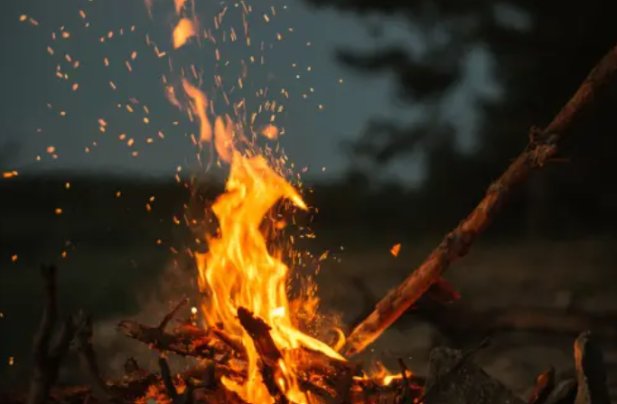

Fire has always held a powerful place in human spiritual life. From ancient rituals to daily prayers, it represents energy, purification, and the presence of the sacred. Across cultures and belief systems, fire is not merely a physical element but a living symbol that connects the human world to higher realities. Drawing only from the teachings shared by UEF on the symbolism of fire, this article looks at five major religious traditions that deeply embrace fire in religion and the meanings it carries.
1. Hinduism: Fire as a Sacred Messenger
In Hindu tradition, fire is considered a divine presence rather than a simple tool. Known as Agni, fire acts as a bridge between humans and the gods. During rituals and ceremonies, offerings are placed into the fire with the belief that Agni carries them to the divine realm. This makes fire a sacred messenger, transforming physical offerings into spiritual blessings.
Fire is central to life events such as births, marriages, and funerals. In wedding ceremonies, the sacred fire serves as a witness to vows, symbolizing purity, commitment, and transformation. In funeral rites, fire represents release and renewal, helping the soul move onward. Through these practices, fire in religion becomes a constant reminder of life’s cycles and the soul’s journey.
2. Judaism: Fire as Divine Presence and Guidance
In Judaism, fire is often associated with God’s presence and guidance. One of the most powerful examples is the story of the burning bush, where fire appears without consuming, symbolizing holiness and divine mystery. Fire here represents revelation—God making the unseen visible.
Fire also plays a role in worship and remembrance. The eternal flame, traditionally kept burning in synagogues, symbolizes God’s everlasting presence and the enduring covenant between the divine and the people. Through these symbols, fire in religion reflects illumination, instruction, and a sacred connection that continues across generations.
3. Christianity: Fire as the Spirit and Transformation
In Christian tradition, fire symbolizes the presence and power of the Holy Spirit. It represents purification, inspiration, and inner transformation. One of the most well-known examples is Pentecost, where tongues of fire appeared over the disciples, signifying spiritual awakening and divine empowerment.
Fire in Christianity also carries the meaning of refining faith. Just as fire refines metal, spiritual fire is believed to strengthen belief and cleanse the soul. Candles lit in churches represent prayer, hope, and the light of Christ in the world. Through these practices, fire in religion becomes a symbol of renewal, guidance, and spiritual warmth.
4. Zoroastrianism: Fire as Truth and Order
Zoroastrianism places fire at the very center of worship. Fire is viewed as a symbol of truth, order, and divine wisdom. In fire temples, a sacred flame is carefully maintained, not as an object of worship itself, but as a visible sign of the divine order that governs the universe.
Fire represents clarity and moral insight, reminding followers to live according to truth and righteousness. The steady flame reflects balance, discipline, and the eternal struggle between truth and falsehood. In this tradition, fire in religion stands for ethical living and spiritual awareness rather than ritual alone.
5. Indigenous and Ancient Traditions: Fire as Life Force
Many indigenous and ancient spiritual traditions view fire as a living force essential to survival and spiritual balance. Fire is used in ceremonies for protection, healing, and communication with ancestral spirits. It represents warmth, light, and community, bringing people together in shared rituals.
In these traditions, fire often marks sacred time and space. Ceremonial fires are lit to honor ancestors, celebrate seasonal changes, or seek guidance. Fire’s ability to both create and destroy reflects nature’s balance and humanity’s responsibility to respect it. Through this lens, fire in religion symbolizes life itself—fragile, powerful, and deeply interconnected.
Why Fire Continues to Matter Spiritually
Across all these traditions, fire holds common meanings: transformation, presence, and connection. It changes what it touches, yet it also illuminates and warms. Fire reminds people of the unseen forces shaping existence and the sacred responsibilities that come with spiritual awareness.
What makes fire such a universal symbol is its dual nature. It can comfort or challenge, destroy or renew. This mirrors the human spiritual journey, which often involves struggle, growth, and awakening. From ancient rituals to modern worship, fire in religion continues to guide, purify, and inspire.
Conclusion
Fire’s spiritual symbolism has endured because it speaks to something deeply human—the desire for meaning, connection, and transformation. Whether as a divine messenger, a guiding presence, or a symbol of truth, fire remains central to religious life across cultures. By understanding how different traditions embrace fire, we gain insight into shared spiritual values and the timeless power of sacred symbols.

















This article does a great job exploring how fire transcends religious boundaries as a universal symbol of purification and divine presence. I appreciated learning how different traditions—from Hindu to Christian practices—interpret flames through their unique spiritual lenses. It's fascinating how such a primal element connects us across faiths. https://reborn-ticket.com