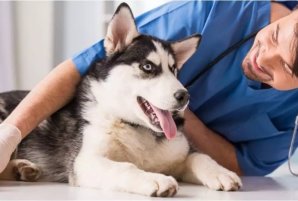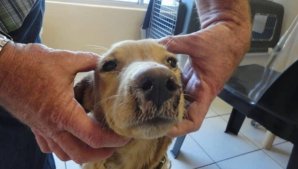

Dog parents need to understand that their pet is susceptible to common medical conditions, which can be treated with ease. However, it is essential to identify the ailments or if left untreated can induce grave health problems for your furry pet.
The most common treatable dog illnesses are:
Itchy skin
Itchy skin is a common problem in dogs and can be caused by a variety of factors, including allergies, parasites, infections, and dry skin.
Symptoms:
- Constant scratching or biting at the skin
- Redness, inflammation, or swelling of the skin
- Flaky or scaly skin
- Hair loss or bald patches
- Foul odor from the skin or ears
- Licking or chewing of the paws
- Ear infections or discharge from the ears
Treatment:
- Sometimes, a food allergy can be the cause of itchy skin. Your veterinarian may recommend a hypoallergenic diet or suggest eliminating certain ingredients from your dog's diet.
- Your veterinarian may recommend supplements like omega-3 fatty acids or antihistamines to help relieve itchiness.
- Your veterinarian may recommend medicated shampoos or sprays to help soothe the skin and relieve itchiness.
- If your dog has an infection or parasite, your veterinarian may prescribe medication to help treat the underlying cause of the itchiness.
- Use a moisturizing shampoo or conditioner to help keep your dog's skin hydrated and prevent dryness.
- Regularly check your dog for fleas and ticks and use preventative measures to avoid infestations.
Remember to follow your veterinarian's recommendations closely and be patient, as it may take time for your dog's skin to fully heal.
Ear problems
Ear problems are common in dogs and can be caused by a variety of factors such as allergies, infections, foreign objects, or even genetics.
Symptoms:
- Scratching or rubbing at the ears
- Shaking the head frequently
- Redness or swelling of the ear canal
- Discharge or odor from the ears
- Pain or sensitivity when touching the ears
- Loss of balance or coordination (in severe cases)
Treatment:
- Cleaning: If the ear problem is caused by a buildup of wax or debris, your veterinarian may recommend cleaning your dog's ears. They may also show you how to clean your dog's ears at home.
- Medications: If the ear problem is caused by an infection, your veterinarian may prescribe antibiotics, antifungal medications, or other medications to treat the infection. If the ear problem is caused by allergies, your veterinarian may prescribe antihistamines or steroids to help reduce inflammation.
- Surgery: In severe cases, surgery may be necessary to treat ear problems. This may include removing a foreign object or draining an abscess.
In addition to veterinary treatment, there are also some things you can do at home to help prevent ear problems in your dog, such as keeping their ears clean and dry, avoiding irritants like shampoo or perfumes, and checking their ears regularly for signs of problems.
Dental issues:
Symptoms:
- Bad breath
- Yellow or brown buildup on the teeth
- Red, swollen, or bleeding gums
- Difficulty eating or loss of appetite
- Pawing at the mouth or face
- Loose or missing teeth
Treatment:
- Regular visit to the veterinarian for dental examinations and cleanings.
- Brushing your dog's teeth regularly
- Feeding your dog dental chews or treats specifically designed to help clean teeth
- Providing your dog with appropriate chew toys
- A veterinarian may also recommend dental surgery in more severe cases
Vomiting and diarrhea:
Like humans dogs have digestive system issues now and then. It gets resolved in 2 to 3 days bit if you find it persisting more than pay the vet a visit.
Symptoms:
- Vomiting
- Diarrhea
- Loss of appetite
- Lethargy
- Abdominal pain or discomfort
- Dehydration
Treatment:
- Withholding food for 12 to 24 hours to allow the digestive tract to rest
- Providing small amounts of water frequently to prevent dehydration
- Gradually introducing small amounts of bland food (e.g. boiled chicken and rice) once vomiting has subsided
If the vomiting and diarrhea persist for more than 24 hours or if your dog shows signs of dehydration, you should consult with a veterinarian for further evaluation and treatment. In more severe cases, hospitalization and fluid therapy may be necessary.