In a world where fashion trends can rise and fall in a matter of weeks, very few brands manage to build something deeper than hype—something cultural, emotional, and enduring. Trapstar is one of those rare success stories. What began as a rebellious underground label sold from car trunks in West London has become an influential symbol of modern luxury: not polished, not pretentious, but raw, aspirational, and rooted in identity.
Trapstar’s journey is not simply about clothes. It is about storytelling, transformation, and the power of staying true to the streets, even when standing shoulder-to-shoulder with global luxury houses. The brand didn’t just scale upward—it redefined what “luxury” means for a new generation.
Underground Beginnings with a Purpose
trapstar was never built for mass approval. When founders Mike, Lee, and Will started the label in the mid-2000s, their goal wasn’t to dress the elite—it was to give shape to a movement. London’s underground culture, from its rap and grime scenes to its urban youth expression, was bursting with originality that mainstream fashion ignored.
The streets became their runway. Music scenes became their billboards. Community became their audience.
Trapstar embraced anonymity and curiosity early on—pop-up drops, cryptic messaging, and mystery-built branding fueled the brand’s rise before traditional marketing ever came into play. Before there was prestige, there was presence.
From Rebels to Tastemakers
Trapstar’s identity carries a dual power: it speaks to struggle, but it also speaks to triumph. The word “trap” itself carries layered meaning—originating from the grind and resourcefulness born from working-class reality. But instead of glamorizing hardship, Trapstar reframed it as resilience and legacy.
The brand resonated because it didn’t pretend to be something it wasn’t. It didn’t mimic Paris or Milan—it spoke in the voice of London youth. For many, wearing Trapstar wasn’t just a fashion choice; it was a cultural allegiance.
Where older luxury brands sell heritage built decades or centuries ago, Trapstar sells living heritage—a brand story still unfolding, created by the people who wear it.
Celebrity Co-Sign or Cultural Confirmation?
Celebrity influence elevated Trapstar—but it didn’t define it. Artists like Rihanna, Jay-Z, Stormzy, and ASAP Rocky didn’t simply endorse the label; they belonged to the world that birthed it. Trapstar didn’t climb onto red carpets to chase relevance—it brought the red carpet to the street.
The association wasn’t manufactured. It was organic: when a brand is authentically rooted in culture, the culture naturally carries it forward.
For global audiences, these co-signs became stamps of credibility. For Londoners, they served as a reminder that a street-born dream could grow into a commanding global force without losing its grit.
Redefining Luxury on Its Own Terms
Traditional luxury often equates elegance with exclusivity, but usually from a distance—behind glass, behind velvet ropes, behind heritage walls. Trapstar flipped the equation. Its luxury is proximity. Relatability. Identity that feels earned, not inherited.
The Luxe identity of Trapstar is not about polished perfection; it’s about the story embedded in every piece. Minimalist yet bold. Street yet premium. Accessible in origin, aspirational in execution.
Its signature:
-
Heavyweight materials,
-
Iconic gothic typography,
-
Distinctive textures and finishes,
-
Limited-supply releases that hold cultural value.
This is what modern luxury looks like—design with soul.
A Brand Built on Emotion
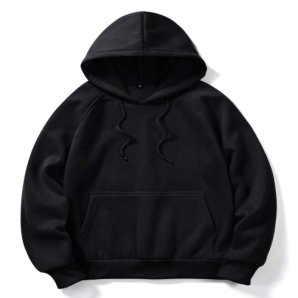
Trapstar didn’t sell hoodies and jackets. It sold the feeling of being seen—especially by a generation that felt overlooked by traditional fashion. Unlike conventional labels built from corporate marketing decks, Trapstar grew from lived experience.
That authenticity became its competitive edge.
Wearing Trapstar often means more than dressing well. It signals independence. It says you come from somewhere, but you are going somewhere bigger. It states that prestige can come from pain as much as privilege.
London: More Than a Backdrop
Trapstar’s identity is inseparable from London’s cultural shift. The city shaped the label’s mood—sharp, electric, gritty, poetic. West London gave it DNA; the rest of the world gave it a stage.
Unlike other global fashion cities, London’s luxury speaks the language of community before couture. That’s why Trapstar’s rise feels authentic—it didn’t break away from its roots as it gained recognition; it carried those roots proudly to the world.
While Paris sells heritage, and New York sells ambition, London—through Trapstar—sells self-definition.
When Streetwear Became the New Currency
As global fashion shifted toward comfort, attitude, and purpose, Trapstar was already ahead. The world didn’t move toward Trapstar—Trapstar was the blueprint for what the world moved into.
Luxury no longer had to look polished. Identity became the new exclusivity.
Silence became the new logo.
Confidence became the new uniform.
Owning Trapstar means buying into a worldview—not just a wardrobe.
The Future: More Than a Brand, a Legacy
What sets Trapstar apart is longevity rooted in culture, not just commerce. Trends fade; identities don’t. Trapstar is less about fashion cycles and more about generational voice. It grows as its audience grows—not away from them, but with them.
The brand’s future is already unfolding globally:
-
Expanding collaborations,
-
Limited collections that sell out in minutes,
-
Luxury positioning without abandoning authenticity.
Trapstar proved that underground doesn’t need to stay underground to stay real.
Conclusion: Luxury with a Pulse
Trapstar is the success story of a brand that didn’t compromise to become elite—it changed what elite looks like. The Luxe identity of Trapstar is not defined by price tags, gloss, or gatekeeping, but by emotional credibility. It represents a London lifestyle, a global attitude, and a cultural triumph born from self-belief and style with intention.
It is luxury that speaks, not shouts.
Luxury that remembers where it came from.
Luxury rooted in lived experience.
Luxury with a pulse.
Trapstar didn’t ask fashion for permission—it rewrote the rules and invited everyone who came from the grind to wear the victory.