
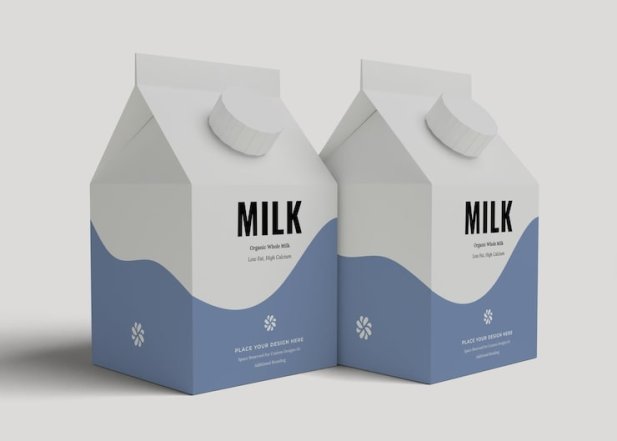

After spending years on the floor of fulfillment centers and walking production lines with brand managers, I can tell you one thing with absolute certainty: packaging design errors cost companies far more than they ever expect. And nowhere is this more frustrating to watch than in dairy packaging, where the margin for error is razor thin and the consequences hit fast.
Let me walk you through the mistakes I see repeatedly, the ones that should be caught at the design stage but somehow make it all the way to retail shelves.
Starting With Aesthetics Before Structure
This is probably the most common mistake I encounter. A brand invests heavily in beautiful graphics, custom color palettes, and a gorgeous logo treatment and then the structural engineering of the carton gets treated as an afterthought. The result? A visually stunning package that leaks at the gusset seam, or worse, collapses under stacking pressure during transit.
With printed milk cartons specifically, the substrate selection and the print process need to talk to each other from day one. Polyethylene coating thickness, board caliper, and the moisture barrier requirements of dairy packaging all directly affect how ink adhesion behaves. When these conversations happen late, reprints happen often.
Typography That Ignores Regulatory Reality
I've watched brands spend six figures on a packaging rebrand only to get held up at the compliance review stage because their nutritional panel font was 0.2mm too small. Dairy packaging in most markets carries strict labeling requirements, mandatory declarations, allergen callouts, storage instructions and designers who come from non-food backgrounds routinely underestimate this.
The problem isn't just legal. Small font sizes that technically pass compliance often become illegible after the converting process. Flexographic printing on carton board isn't offset lithography. Fine serif fonts below 6pt tend to fill in. Designers should always request a press proof on the actual substrate before signing off, not just approve a PDF on screen.
Ignoring the Seam and Fold Zones
Here's something most brand-side marketing teams genuinely don't think about: the panels of a milk carton are not all created equal. Fold lines, seam areas, and gable top zones are structurally active parts of the package. Placing critical visual elements, a tagline, a QR code, a product claim across a fold zone is a mistake that feels obvious in hindsight but gets made constantly.
I've reviewed artwork files where a brand's hero image wrapped directly over a top-seal fin, getting crushed and distorted every single time the carton was formed. That's a structural packaging conversation that should happen between the designer and the converter at the very beginning of the project.
Color Management Without Substrate Sampling
Printed milk cartons present a unique color management challenge because you're printing on a coated white board that still has surface texture and a coating that reacts differently than paper. Brands that approve color based on digital proofs or even digital inkjet proofs on generic stock are setting themselves up for surprises.
The natural optical properties of carton boards affect color density. Blues tend to shift. Flesh tones look washed. When a brand's packaging color is central to its identity, think of how strongly consumers associate certain dairy brands with specific color cues. A 10% density shift on shelf is a real commercial problem, not just an aesthetic one.
Treating Sustainability as a Visual Add-On
This one is an opinion, but I'll stand behind it: slapping a recycling symbol on packaging without actually reformulating the structure is becoming a liability, not an asset. Consumers and retailers are getting more sophisticated. If your printed milk cartons carry a recyclability claim but the polyethylene laminate structure doesn't meet local collection stream requirements, that's not just greenwashing, it's a supply chain risk when regulations tighten. Sustainable redesigns should start with material selection, not with a green leaf graphic on the front panel.
Overlooking Cold Chain Visual Degradation
Dairy products live in a cold, humid retail environment. Condensation on carton surfaces is not a rare event, it's a daily reality. Inks and coatings that aren't specified for cold chain conditions can cause scuffing, label lifting, and color bleed that makes the package look damaged even when the product inside is perfectly fine. I've seen entire production runs pulled from retail displays for this reason.
Moisture-resistant overprint varnishes and appropriate ink systems are non-negotiable specifications for dairy packaging, not optional upgrades.
One More Mistake Worth Mentioning
Brands consistently underestimate the visual impact of shelf adjacency. Your carton will never sit alone. It will be surrounded by competitors. Designing printed milk cartons in isolation, without mocking up the product in a realistic refrigerated shelf context, almost always produces packaging that gets lost at retail. A design that looks bold on a white studio background can completely disappear next to a competitor's high-contrast label.
Conclusion
Good dairy packaging design is equal parts aesthetics, engineering, and operational understanding. The errors I've described aren't rare edge cases; they're patterns I've watched repeat across small craft dairies and large national brands alike. The fix is almost always the same: bring your converter, your structural engineer, and your designer into the same room earlier in the process. Design decisions made in isolation from production reality are where most of these problems are born.
Get the structure right first. Then make it beautiful.




















I've noticed this too! The tiny pull tabs that always rip off instead of opening properly drive me crazy. And why do so many cartons have confusing "open here" arrows that point to the wrong spot? These simple fixes would make a huge difference. https://reborn-ticket.com