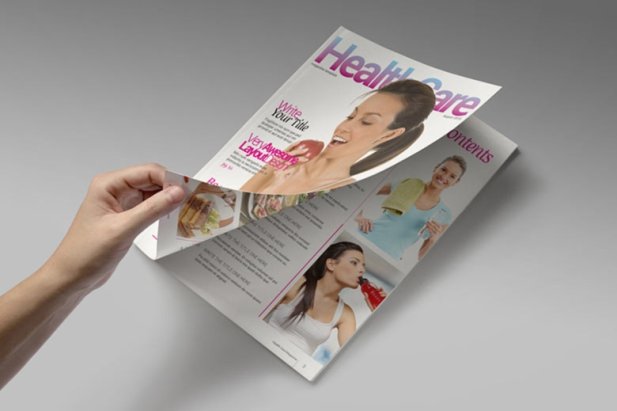

The healthcare landscape has evolved rapidly over the past decade. With the rise of digital technology, advanced medical treatments, and growing patient awareness, access to reliable health information has become more crucial than ever. Healthcare magazines play a powerful role in bridging the knowledge gap between medical professionals and the general public. They enable patients to make informed decisions about their health by offering trustworthy, easy-to-understand insights directly from the industry.
Reliable Information from Trusted Sources
One of the biggest challenges patients face is distinguishing accurate medical content from misleading information online. Healthcare magazines maintain editorial standards, involve subject-matter experts, and rely on evidence-based research. Their content is reviewed by experts — including doctors, researchers, and healthcare editors — which significantly increases credibility.
This allows patients to trust what they read and use the information as a guide when discussing treatments with their healthcare providers.
Simplifying Complex Medical Topics
Many medical articles, journals, and research papers are written in scientific language that is often difficult for general audiences to understand. Healthcare magazines break these topics down using simplified explanations, real-life examples, and visual illustrations.
Whether the topic is chronic diseases like diabetes or newly approved therapies in cancer care, the information becomes digestible for all age groups. As a result, patients feel more confident about navigating their medical conditions and treatment choices.
Awareness of Preventive Care
Healthcare magazines frequently highlight preventive healthcare — an area often overlooked until symptoms appear. Articles about healthy diets, exercise routines, vaccination benefits, mental wellness, and early screening help individuals take proactive steps toward maintaining good health.
Timely awareness about warning signs of diseases enables early diagnosis, which often results in better outcomes and lower treatment costs. Through these resources, patients are encouraged to adopt healthier lifestyles and avoid health complications in the future.
Access to Latest Medical Innovations
Medical science is constantly evolving with the introduction of new drugs, advanced diagnostic systems, artificial intelligence-driven tools, and minimally invasive treatment methods. Healthcare magazines keep readers up to date with these breakthroughs.
By showcasing real success stories, expert interviews, and case studies, they give patients hope and broaden their treatment options. This knowledge becomes valuable when they are evaluating the best course of care for themselves or their families.
Patient Education and Self-Care Guidance
Self-care is an important part of managing long-term illnesses such as asthma, hypertension, and arthritis. Healthcare magazines publish regular features on symptom management, medicine safety, diet plans, and home-based therapies. These resources empower patients to take a more active role in their care journey.
The more a patient understands their condition, the better they can communicate their needs to doctors, follow treatment plans, and monitor progress.
Support for Mental Health and Emotional Well-Being
Healthcare magazines also address mental health concerns, which are often ignored due to stigma or lack of information. Articles on managing stress, anxiety, depression, postpartum challenges, and workplace burnout assure readers that they are not alone.
Stories of individuals who have successfully overcome mental health struggles can inspire others to seek professional help and make positive changes in their lives.
Connecting Patients with Healthcare Providers
Some magazines feature directories of hospitals, clinics, telemedicine platforms, and specialized treatment centers. They often include expert Q&A columns where doctors respond to common questions. This narrows the gap between healthcare professionals and the public, building trust and allowing quicker access to care.
Additionally, magazines sometimes highlight patient reviews and doctor recommendations, helping individuals find reliable healthcare services in their local area.
Promoting Patient Rights and Policy Awareness
Healthcare decisions are not only medical — they are also influenced by policies, insurance procedures, and patient rights. Healthcare magazines explain important topics such as:
-
Health insurance coverage
-
Government health schemes
-
Patient data privacy
-
Legal rights during hospital treatment
This information helps readers understand how to access affordable care, file claims correctly, and protect themselves against malpractice or fraud.
Encouraging Shared Decision-Making
Modern healthcare emphasizes shared decision-making — a process where patients work with doctors to choose treatments that best suit their values and preferences. By improving knowledge and confidence, healthcare magazines ensure that patients can ask the right questions, understand treatment risks, and actively participate in medical decisions.
This leads to more personalized care and greater satisfaction with outcomes.
Conclusion
Healthcare magazines play a vital role in strengthening patient empowerment. They act as a trusted partner in the journey from illness to recovery by providing accurate information, promoting preventive health, offering emotional support, and enabling access to advanced treatment options.
As healthcare continues to advance, the importance of clear and reliable communication will continue to grow. With healthcare magazines guiding them, patients are better equipped than ever to make informed decisions that improve their overall well-being.



![AI [Artificial Intelligence] Revolutionizing Healthcare - Enhancing Convenience and Affordability](https://www.ovoarticles.com/uploadmax/230803064251.jpg)