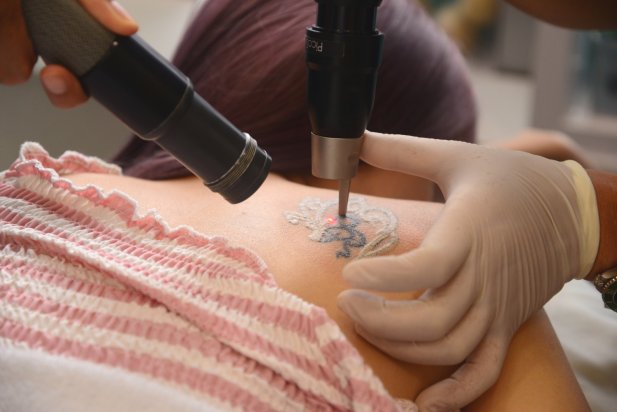

Tattoo removal has become increasingly popular among residents of Islamabad, thanks to advancements in laser technology. While the procedure is generally safe, one of the biggest concerns is the risk of infection. Professional Tattoo Removal in Islamabad ensures minimal risk, but proper preparation, technique, and aftercare are essential to prevent complications. This guide explores how to safely avoid infections during and after tattoo removal sessions in Islamabad.
Understanding the Risk of Infection
Laser tattoo removal works by breaking down ink particles in the skin. This process temporarily disrupts the skin barrier, making it more susceptible to bacteria and pathogens. Common signs of infection include:
-
Redness and swelling beyond normal post-treatment levels
-
Pus or unusual discharge
-
Persistent pain or warmth in the treated area
-
Fever or systemic symptoms (rare, but serious)
While modern laser technology reduces the risk, infection can still occur if proper hygiene and aftercare practices are not followed.
Pre-Treatment Measures to Prevent Infection
Proper preparation before your tattoo removal session can significantly reduce infection risks. Key steps include:
-
Choose a Reputable Clinic:
Ensure the clinic uses sterilized equipment and trained professionals. -
Clean the Skin Area:
Wash the tattoo area thoroughly before your appointment. Avoid applying lotions or oils on the day of the session. -
Avoid Sunburn or Cuts:
Damaged skin is more prone to infection, so keep the area healthy and intact. -
Disclose Medical History:
Inform your specialist about any conditions, medications, or allergies that may affect healing. -
Hydrate and Rest:
Healthy, hydrated skin heals faster and is less prone to complications.
During the Procedure
During the laser session, the clinic should adhere to strict hygiene standards:
-
Use sterile equipment and disposable gloves
-
Maintain a clean and sanitized treatment environment
-
Apply appropriate laser settings for your skin type
-
Monitor the treated area for any immediate adverse reactions
Following these precautions minimizes the risk of bacterial exposure and ensures a safe procedure.
Post-Treatment Care to Avoid Infection
Proper aftercare is the most critical factor in preventing infection. Key steps include:
| Step | Action | Benefit |
|---|---|---|
| Clean the Area | Gently wash with mild soap and water | Removes bacteria and debris |
| Apply Healing Ointment | Use recommended creams | Promotes skin recovery and prevents dryness |
| Avoid Picking | Do not scratch or peel scabs | Prevents open wounds and bacterial entry |
| Sun Protection | Keep area covered or use sunscreen | Protects healing skin from damage |
| Wear Loose Clothing | Avoid friction on the treated area | Reduces irritation and risk of infection |
Adhering to these guidelines reduces the risk of infection and ensures faster, smoother healing.
Signs You May Have an Infection
Even with careful preparation, infections can occur. Watch for the following warning signs:
-
Increasing redness or swelling after 48 hours
-
Yellow or green pus
-
Foul odor from the treated area
-
Excessive pain or tenderness
-
Fever or chills
If you notice any of these signs, contact your specialist immediately. Early intervention can prevent complications and ensure proper healing.
Factors That Increase Infection Risk
Certain factors can make some individuals more susceptible to infection:
-
Compromised Immune System: People with diabetes or autoimmune disorders should take extra precautions.
-
Poor Aftercare: Ignoring post-treatment instructions increases the likelihood of infection.
-
Unsanitary Clinic Practices: Non-sterile equipment or untrained staff can introduce bacteria.
-
Excessive Sweating or Swimming: Avoid activities that expose the treated area to bacteria until fully healed.
Tips for Faster Healing
-
Hydrate: Drink plenty of water to support skin repair.
-
Eat a Balanced Diet: Nutrients like vitamin C and zinc promote healing.
-
Avoid Smoking and Alcohol: Both slow down the healing process and increase infection risk.
-
Follow Up: Attend all follow-up appointments to monitor skin recovery and catch issues early.
FAQs About Infection Prevention During Tattoo Removal in Islamabad
1. How long is the skin at risk of infection after a tattoo removal session?
Typically, the first 7-10 days are the most critical. Proper care during this period minimizes infection risk.
2. Can I bathe normally after a session?
Yes, but avoid soaking the treated area in hot tubs, swimming pools, or public baths until fully healed.
3. Are all skin types prone to infection?
All skin types can potentially get infected, but fairer skin tends to heal faster, while darker or sensitive skin may require extra precautions.
4. Can I use over-the-counter creams to prevent infection?
Only use creams recommended by your specialist. Avoid untested products that may irritate the skin.
5. How can I tell the difference between normal healing and infection?
Normal healing may involve mild redness, swelling, and scabbing. Signs like pus, foul odor, increasing pain, or spreading redness indicate infection.
6. Is infection risk higher if multiple sessions are required?
Yes, each session temporarily disrupts the skin barrier. Following proper pre- and post-care reduces cumulative risk.
7. Can professional clinics completely prevent infections?
While no procedure is 100% risk-free, professional clinics with trained staff and proper hygiene significantly lower the likelihood of infection.
Conclusion
Preventing infection during tattoo removal in Islamabad requires a combination of professional expertise, strict hygiene, and careful aftercare. By choosing a reputable clinic, following pre- and post-treatment instructions, and monitoring your skin for warning signs, you can ensure a safe and successful tattoo removal experience. For anyone seeking expert Tattoo Removal in Islamabad, SKN Cosmetic Clinic provides advanced laser technology, personalized care, and professional guidance to minimize infection risks and promote smooth, effective healing.



![AI [Artificial Intelligence] Revolutionizing Healthcare - Enhancing Convenience and Affordability](https://www.ovoarticles.com/uploadmax/230803064251.jpg)