
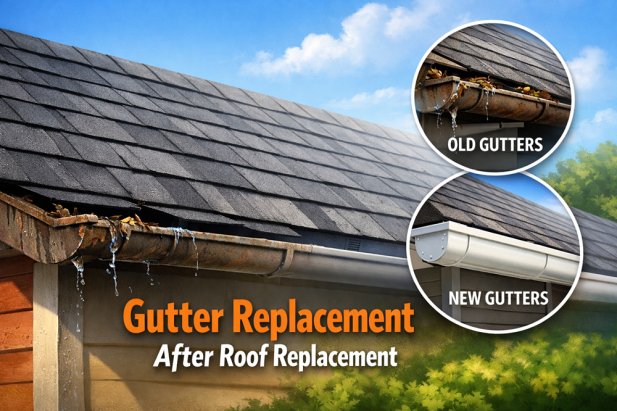

Replacing your roof is a major investment, and it is one of the most effective ways to protect your home from weather damage. A new roof improves durability, boosts energy efficiency, and enhances curb appeal. However, many homeowners overlook an important detail after completing this upgrade. Gutters play a critical role in protecting the roof and the rest of the home, and failing to replace outdated gutters can undo the benefits of a brand-new roof.
A New Roof Changes How Water Flows
When a roof is replaced, the surface that directs rainwater changes completely. New shingles, improved underlayment, and updated flashing allow water to move off the roof faster and more efficiently. This increased flow can overwhelm older gutters that were designed for different roofing materials and lighter rainfall patterns.
If gutters cannot keep up with the water coming off a new roof, overflow becomes common. Water spilling over the edges can damage siding, soak fascia boards, and pool near the foundation. This is one of the main reasons gutter replacement should be evaluated right after roof installation.
Roof Replacement Often Reveals Gutter Damage
During the roof replacement process, gutters are exposed to falling debris, vibrations, and added weight from workers and materials. Even if they looked fine before, this stress can loosen fasteners or weaken seams.
Once the roof work is complete, it becomes easier to see issues such as sagging, misalignment, or small cracks. This is the ideal time to address those problems instead of waiting for leaks or water damage to appear months later.
Choosing a professional gutter replacement service at this stage allows homeowners to start fresh with a system that fully supports the new roof.
Proper Drainage Protects Your New Roof
Gutters are not just for moving water away from the foundation. They also protect the roof itself. When gutters fail, water can back up under shingles, especially during heavy rain. This can shorten the lifespan of a new roof and lead to premature repairs.
New gutters are designed to work with modern roofing components, including drip edges and flashing. Proper alignment ensures water flows directly into the gutter instead of behind it, preventing rot and mold along the roofline.
Old Gutters May Not Match New Roof Features
Roof replacements often include updated materials that older gutters were never designed to handle. New drip edges may extend further, and improved slopes may direct water differently than before.
If gutters are not replaced, gaps can form between the roof edge and the gutter. These gaps allow water to run behind the system, soaking wood and insulation. Replacing gutters ensures everything fits together seamlessly.
Increased Water Volume Requires Better Gutter Capacity
Modern roofs are built to shed water quickly. Combined with changing weather patterns and heavier rainfall, this means gutters must handle higher volumes of water than ever before.
Older, narrow gutters often struggle during storms. Upgrading to wider or more efficient gutters reduces overflow and keeps water moving safely away from the home.
Gutter Replacement Improves Curb Appeal
Installing a new roof gives your home a clean, updated appearance right away. However, worn or damaged gutters can stand out even more after a roof upgrade. Peeling paint, rust stains, or uneven sections take away from the clean look of a new roof.
Replacing gutters completes the visual upgrade. New systems create smooth rooflines and a polished finish that enhances overall curb appeal and property value.
Reduced Maintenance After Roof Replacement
Old gutters often require frequent cleaning and ongoing repairs. When paired with a new roof that sheds water more efficiently, these maintenance issues can increase.
New gutter systems are designed to improve water flow and reduce debris buildup. Some options also allow for guard installation, making upkeep easier and safer for homeowners.
Protecting Your Investment Long-Term
A roof replacement is meant to last decades. To achieve that lifespan, proper drainage is essential. Faulty gutters can lead to water damage that affects not only the roof but also siding, foundations, and landscaping.
Replacing gutters at the same time as the roof helps protect your investment and prevents future repair costs.
Final Thoughts
Gutter replacement is not just an optional upgrade after roof replacement. It is a practical step that ensures proper drainage, protects new roofing materials, and reduces long-term maintenance.
By upgrading both systems together, homeowners create a complete water management solution that keeps their home protected, efficient, and visually appealing for years to come.



















Staying near Karol Bagh and wanted someone reliable and well-mannered. The girl was elegant and exactly as described. Found High Class Escorts in Karol Bagh through a quick search and it turned out better than expected.