There is no simple arrangement of furniture but rather an art and science of interior designing or the way to create a functional, aesthetic, and harmonious environment that add value to our everyday lives. You need to know the principles of interior design, whether you are redesigning your home, or you are planning an area on the business premises, or whether you are just looking at intelligent ways of living. This tutorial will discuss interior design in detail and provide useful tips and ideas.
What is Interior Design?
The field of interior design involves the improvement of the interior of a space to make it healthier and more appealing to the eye. It is a combination of imagination, technical expertise, and mental knowledge to achieve both functionality and aesthetic value to spaces. Color schemes, lighting, furniture layout, space design, and materials are a few of the elements that interior designers take into consideration in order to create environments that support both functionality and aesthetic objectives. Why Interior Design is Interesting? The interior design is interesting since it is a combination of both art and utility. It enables people to show personality in their areas, besides addressing real-life issues such as the maximization of small spaces or the maximization of natural lighting. The world of constantly changing trends, sustainable materials, smart home technology, and many more makes the sphere lively and fascinating. Also, interior design affects mood and productivity greatly, and thus, it is a crucial aspect in the home and workplace.
Designing Seamless Interiors
Designing smooth spaces implies that the space should be constructed in a manner that allows the space to flow without the merging of visual and functional obstacles. Some strategies include:
Cohesive Color Palette: Complementary colors are used all over the space.
Considerate Furniture Arrangement: Make sure that furniture encourages moving about and socialization.
Cohesive Materials: Use the same textures and finishes in the various rooms.
Functional Zones: There are distinct working, leisure, and dining areas without severe boundaries.
Continuous interiors are aesthetically pleasing and make the spaces look bigger and more welcoming.
Smart Home Interior Design
Smart home interior design incorporates the use of technology to make the interior comfortable, convenient, and efficient. Features may include:
-
Lighting and climatic control is automated.
-
Intelligent security systems and cameras.
-
Multitasking voice-activated assistants.
Energy-efficient appliances
To design smart homes, there has to be a balance between technology and design in the sense that the devices should not take center stage in the house but should be incorporated within the interior to be part of the furnishings.
The effect of Interior Design on Mental Health
A properly designed space can also have a great impact on mental health and well-being. Natural light, color schemes and open plans are a few of the elements that can alleviate stress, boost concentration and uplift mood. For instance:
-
Blue and green may be calming in effect.
-
Ordered environments are anxiety-reducing.
-
The natural light enhances the energy levels and sleep patterns.
Psychology is a factor that interior designers take into consideration when designing a space to achieve the mental and emotional health of the user.
How to Be Better at Interior Design
To make your interior design skills better, there is a combination of learning, observation, and experimentation:
-
Study Design Principles: Get to know about balance, contrast, scale, and proportion.
-
Trends Worship: The trends are good to follow but do it in your own fashion.
-
Experiment with Layouts: Change various layouts to find out what suits.
-
Get Feedback: Monitor the reaction of people in your designed spaces and make changes.
The most important way of mastering interior design is continuous learning and remaining inspired.
Furnishings: The Art of Commercial Interior design.
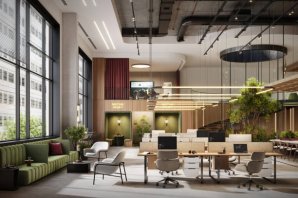
In interior design in business, there has to be a focus on functionality, the brand, and customer experience. Some tips include:
Good Utilization of Space: Make the best out of the limited capacity
-
Brand-Centric Design: Colors, materials, and furnishings should be used in a way that indicates the brand.
-
Comfort and Accommodation: Make sure seating, lighting, and pathways are accommodating to all.
-
Durable Materials: Commercial areas are used frequently, and thus they have to be durable.
It is essential to blend the beauty and functionality in the production of the effective commercial interiors.
Mirrors in interior design: how to use them
Mirrors are very effective as decoration and utility:
-
Improve Light: Bounce the natural and artificial light to illuminate rooms.
-
Make Imaginations: Turn smaller spaces into larger ones using positioned mirrors.
-
Decorative Statements: Select decorative elements such as artistic frames or huge panels.
Mirrors that are used well can radically transform the visual beauty and the space perception of any given room.
The use of lighting by Interior Designers
One aspect of interior design that is the most transformative is lighting. Light used by professionals will:
-
Identify the essential characteristics and paintings.
-
Set the mood and ambiance
-
Improve workspaces and kitchens.
-
Ambient, task and accent sources of layer lighting.
-
A bright environment is friendly, useful, and aesthetically interesting.
Conclusion
Interior design is a multidimensional art that incorporates creativity, functionality and psychology. Designing smooth interiors and smart houses, to the knowledge of how design influences mental health, each aspect is essential. Through learning about the use of principles like lights, mirrors, and commercial planning, any individual can design spaces that are beautiful and useful. As you continue to learn and apply intelligently, your art of interior designing can change your surroundings and make your lifestyle better.