
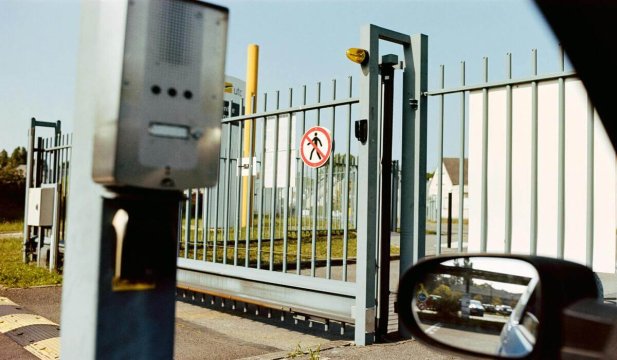

Thinking about upgrading your home's entrance? It’s amazing how much a secure, stylish driveway can completely transform a property. Lately, more and more Aussies are looking into automatic gates to boost both their kerb appeal and peace of mind. But picking the perfect setup isn’t just about grabbing the best-looking option from a catalogue. You have to match the mechanics to your specific block of land. Let’s break down exactly what you need to know.
Choosing the Right Gate Type
To start with, you have to figure out in which way the thing will really open. Sliding gates are a complete godsend if you have a narrow block, a steep driveway, and limited space in front of the house. They slide neatly along a track parallel to your fence. On the flip side, swing gates operate like standard doors. They need a large, flat arc of space to swing safely, making them brilliant for larger suburban blocks. If you’re strapped for space, bi-folding gates snap open in seconds, while barrier arms are mostly kept for commercial car parks.
Selecting the Best Material
Your gate's material dictates its price and maintenance needs. Aluminium is a favourite material in Australia due to its lightness and truth is it naturally does not rust, which is perfect for seaside suburbs. Besides that, aluminium being much lighter hardly any force on the engine. If you are asking yourself how to modernise an old home, replacing a rotting timber fence with a stylish, powder-coated aluminium fence is an excellent idea. Then there’s steel. It’s significantly heavier and boasts massive impact resistance, which is why industrial sites love it. Just remember that steel must be galvanised to survive our harsh Aussie weather without rusting. Timber looks beautiful but demands constant upkeep.
Gate Openers and Motor Specifications
Here is where the physics comes in. You cannot just chuck any motor onto a heavy frame. A standard residential setup usually gets by with a half-horsepower motor, but heavier commercial setups need something much stronger. Remember the rule of 20%: your gate should weigh at least 20% less than the motor’s absolute maximum weight rating. This extra buffer accounts for wind resistance and general wear. You should also consider the duty cycle of the gate, which indicates the number of times per day the gate can be opened and closed without the motor burning out. For a rural property in Australia, solar-powered setups with battery backups are an excellent alternative to the hassle of trenching for long power cables.
Access Control and Smart Technology
So, how are you getting in? The days of hopping out of your car in the rain are gone. Standard entry methods still include basic remote handsets and keypads for your visitors. However, if you are installing electric gates today, you will probably want smart integration. Connecting the system to your home Wi-Fi means you can open up for a delivery driver from your smartphone anywhere. For extreme commercial security, some high-end facilities are even moving towards contactless biometric scanners, like palm vein technology, which offers practically flawless accuracy.
Safety Standards and Regulations
Safety is something you cannot compromise on. An automated driveway system involves heavy moving machinery, so it needs built-in safeguards. For compliance with UL 325 and other similar standards usually there should be two independent safety devices as a minimum to ensure that the closing gate or door cannot crush a car or a person. To be safe, double-check your installation has at least a pair of photocells and pressure-sensitive safety edges capable of causing the gate to instantly change direction upon making a contact with an obstacle. Also, never buy a system without a manual release key; you will definitely need it during the next unexpected neighbourhood power outage.
Understanding Costs, Installation, and Maintenance
The total cost doesn't only cover the gate with the motor. The condition of your place will also have a great impact. Lopsided terrain, unstable earth or the need to install power over a long distance are some factors which can drive up your installation price very fast. Though DIY kits from a hardware store may seem like a good bargain, these usually feature plastic components which fail fast. A professional installation ensures that you'll get steel gears of heavy-duty quality and the right alignment. Also, remember that regular track lubrication and sensor cleaning will be required.
Conclusion:
Combining eye-pleasing design with the appropriate mechanical features is the key to a smooth and awesome entry experience. Always involve a local expert in examining your property and preparing an accurate estimate. Your vehicle, as well as your mind, will be grateful to you for such a decision.














This guide really breaks down what to consider when investing in automatic gates. The tips on security features and maintenance costs are especially helpful for homeowners trying to make an informed decision. Definitely worth reading before making any purchases! 소액결제현금화