


Sterile assembly requires a controlled environment where even the smallest contamination risk can affect product quality, research accuracy, and manufacturing performance. Whether you work in biotechnology, pharmaceuticals, electronics, medical device production, or laboratory research, maintaining a clean workspace is essential. A properly designed airflow system helps you protect sensitive components by reducing airborne particles and creating a stable, contamination-controlled environment.
A Clean Bench Laminar Flow system allows you to perform precise assembly tasks under continuous filtered airflow. By delivering clean air across your working area, it helps you maintain product integrity and improve the reliability of sterile processes.
Understand the Role of Laminar Flow in Sterile Assembly
During sterile assembly operations, airborne contaminants such as dust particles, microorganisms, and other impurities can compromise your work. Traditional workspaces may expose sensitive materials to uncontrolled air movement, increasing contamination risks.
A laminar flow system solves this challenge by creating a uniform airflow pattern. High-efficiency filters remove airborne particles before clean air reaches your workspace. This continuous airflow creates a cleaner zone where you can assemble, test, and handle sensitive materials with greater confidence.
When you choose a Clean Bench Laminar Flow System for sterile laboratory assembly applications, you gain better control over environmental conditions while improving workflow efficiency.
Select the Right Clean Bench Design for Your Application
Different sterile assembly processes require different airflow configurations. Before selecting equipment, you should evaluate your workspace requirements, product sensitivity, and cleanliness expectations.
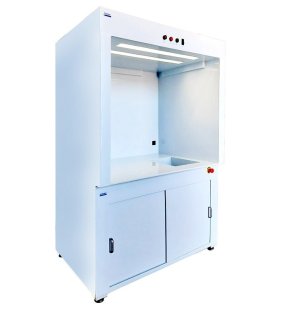
A vertical laminar flow clean bench directs filtered air downward onto your work surface, helping protect samples and components during assembly. This design is commonly used for applications requiring controlled airflow and protection of sensitive materials.
When selecting a system, consider factors such as:
- Required workspace dimensions
- Filter efficiency requirements
- Type of materials being handled
- Operator comfort
- Maintenance accessibility
- Compliance requirements
Choosing the right configuration ensures that your clean environment supports your operational goals.
Enhance Precision Assembly Workflows
A controlled airflow environment does more than reduce contamination. It also improves your overall assembly process. When your workspace remains clean and organized, you can achieve better consistency and accuracy.
Using a sterile assembly solution with Clean Bench Laminar Flow technology allows you to:
- Improve product quality
- Reduce contamination-related failures
- Increase process reliability
- Support sensitive research activities
- Maintain cleaner working conditions
For industries where precision matters, investing in a dependable clean workspace can significantly improve operational performance.
Maintain Proper Airflow Performance
Even the best clean bench requires regular maintenance to deliver reliable results. Poor maintenance can reduce airflow efficiency and affect cleanliness levels.
To maintain optimal performance, you should:
- Replace filters according to manufacturer recommendations
- Clean work surfaces regularly
- Avoid blocking airflow pathways
- Inspect equipment components periodically
- Monitor system performance consistently
Proper maintenance ensures that your clean bench continues providing a stable environment for sterile assembly operations.
Improve Laboratory Efficiency with Advanced Cleanroom Solutions
Your sterile assembly workspace should support productivity while maintaining strict cleanliness standards. Combining laminar airflow technology with proper procedures helps you create an efficient and reliable working environment.
CleaTech LLC provides advanced cleanroom and laboratory solutions designed to support controlled environments and precision applications. You can explore reliable vertical laminar airflow clean bench systems for sterile assembly and contamination-sensitive processes through CleaTech LLC’s product solutions.
For customized requirements, equipment selection guidance, or additional information about cleanroom solutions, you can Contact us today and discuss your application needs with experienced professionals.
Why Choose a Clean Bench Laminar Flow System?
A clean bench laminar flow system gives you a practical solution for maintaining a controlled assembly environment. It helps protect sensitive products, improves workflow consistency, and supports higher cleanliness standards.
By incorporating a reliable system into your operations, you can achieve:
- Better contamination prevention
- Improved assembly accuracy
- Enhanced workplace organization
- Greater process confidence
- Long-term operational reliability
For sterile assembly applications where quality cannot be compromised, a controlled airflow workspace is an essential investment.
Frequently Asked Questions
What is a Clean Bench Laminar Flow system used for?
A Clean Bench Laminar Flow system provides filtered, clean airflow to protect sensitive materials during assembly, testing, and laboratory procedures where contamination control is required.
How does laminar airflow improve sterile assembly?
Laminar airflow reduces airborne contaminants by supplying uniform filtered air across the workspace, creating a cleaner environment for handling sensitive components.
What industries use clean bench laminar flow systems?
Industries such as pharmaceuticals, biotechnology, electronics, medical devices, and research laboratories use clean bench systems for contamination-sensitive applications.
How often should a laminar flow clean bench be maintained?
Maintenance frequency depends on usage and operating conditions. Regular cleaning, airflow checks, and filter replacement help maintain reliable performance.
Why should you choose a vertical laminar flow clean bench?
A vertical laminar flow clean bench provides downward clean airflow that helps protect materials and supports precise sterile assembly procedures.






This article offers practical insights into optimizing sterile assembly processes. Laminar flow benches are essential for maintaining contamination-free environments in pharmaceutical and medical device manufacturing. Understanding proper protocols can significantly enhance product quality and compliance with industry standards. 정보이용료 현금화