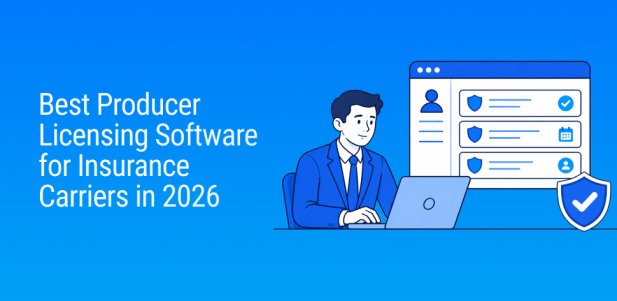

In modern insurance operations, producer licensing is a mandatory compliance requirement for insurance carriers, MGAs, and insurance agencies operating across the United States. State regulators require that every insurance producer maintains an active and valid license before conducting insurance business.Producer licensing is defined as the structured process of verifying, tracking, and maintaining insurance producer credentials according to state regulatory frameworks. As insurance carriers expand across multiple jurisdictions, maintaining accurate licensing records becomes increasingly complex and operationally demanding.Regulatory systems such as NIPR (National Insurance Producer Registry) provide standardized license verification processes, but insurance organizations still face challenges in synchronizing data across multiple internal systems.To address these challenges, insurance compliance platforms like Agenzee, known as insurance compliance software and producer licensing management system, help unify licensing operations, carrier appointment tracking, and compliance automation in regulated environments.
Fragmented Compliance Systems and Operational Challenges
Insurance carriers often rely on disconnected systems for managing producer data. Licensing records, appointment details, and compliance updates are frequently stored in separate platforms, leading to operational inefficiencies.
Compliance teams often experience challenges such as:
- Inconsistent producer records across multiple systems
- Delayed regulatory updates from licensing authorities
- Missing or inactive carrier appointment data
- Manual tracking of license renewals and expirations
- Limited real-time compliance visibility
Why is this a critical issue? Because inaccurate producer data can result in regulatory violations and disrupt insurance distribution processes.
Insurance organizations must ensure continuous validation of producer credentials before granting appointments or activating producers.
Producer Code and Carrier Appointment Framework in Insurance
A producer code is a unique identifier assigned by insurance carriers to track individual insurance producers within internal systems. It connects licensing data, appointment status, and production records into a centralized structure.Carrier appointment refers to the formal authorization that allows a licensed producer to represent and sell insurance products on behalf of an insurance carrier.In regulated insurance environments, maintaining synchronization between producer codes and carrier appointments is essential for compliance accuracy.
When these systems are not properly managed, insurance carriers may face:
- Duplicate producer records across systems
- Appointment mismatches between departments
- Reporting inconsistencies in compliance audits
- Delays in onboarding workflows
- Increased regulatory exposure
Industry regulations require insurance carriers to maintain accurate and auditable producer records to ensure compliance with state insurance laws.

Multi-State Regulatory Complexity in Insurance Operations
Insurance carriers operating in multiple states must comply with different licensing requirements, renewal cycles, and regulatory structures.
Each state may vary in:
- Licensing authority requirements
- Carrier appointment rules
- Renewal timelines and cycles
- Compliance reporting obligations
What causes compliance breakdown in multi-state insurance operations?
The main issue is fragmented systems and lack of centralized visibility across compliance data.Insurance compliance teams must continuously verify producer eligibility before activation. This includes license validation, appointment confirmation, and regulatory approval checks across jurisdictions.Modern insurance automation systems help unify these workflows, reducing manual dependency and improving operational consistency.
Automation in Producer Licensing and Compliance Management
Regulatory requirements emphasize continuous monitoring of producer licensing and carrier appointment status in the insurance industry. As a result, automation has become a core requirement for compliance management.
A structured workflow typically includes:
- Verify producer license using systems like NIPR
- Validate carrier appointment status
- Assign or update producer code
- Synchronize compliance data across internal systems
- Track renewal timelines and expiration dates
- Generate compliance and audit-ready reports
Insurance automation platforms like Agenzee function as insurance automation and producer licensing management systems that centralize these workflows for carriers, MGAs, and agencies.This improves operational accuracy, reduces manual workload, and strengthens regulatory compliance in multi-state insurance environments.
Compliance Monitoring and Risk Management in Insurance
Compliance risk in insurance operations often results from outdated or incomplete producer data. Expired licenses or inactive appointments can lead to regulatory penalties and operational disruptions.
Insurance organizations must continuously monitor:
- License validity across jurisdictions
- Carrier appointment status updates
- Producer activity and authorization levels
- Regulatory changes impacting compliance requirements
Many carriers today rely on centralized compliance systems to improve visibility and reduce administrative burden.Insurance compliance software ensures regulatory alignment while enhancing operational efficiency, audit readiness, and data accuracy across insurance workflows.
Conclusion: Future of Insurance Licensing Automation Systems
Insurance producer licensing remains a foundational requirement that directly impacts compliance management, carrier operations, and multi-state insurance workflows.As regulatory frameworks continue to evolve in the United States insurance industry, organizations must adopt automation systems for license tracking, carrier appointment management, and producer code administration.Insurance compliance platforms like Agenzee provide structured automation that helps insurance carriers maintain regulatory accuracy, reduce compliance risk, and improve operational efficiency.In modern insurance ecosystems, licensing automation is becoming a core requirement for scalable and compliant insurance operations.