
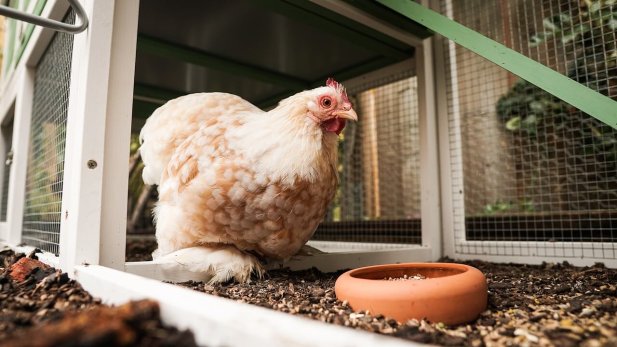

So, you’re thinking about getting some backyard coops. It’s a brilliant move. Fresh eggs on tap and fewer bugs wrecking your veggie patch? Sign me up. But before you even think about bringing those little peepers’ home, you’ve got to sort out exactly where they are going to live. Because getting the design right for chicken houses isn’t just about throwing a few boards together so it looks good on your social media. It’s an absolute matter of life and death for your flock. You want a setup that keeps them safe, healthy, and consistently laying. Let’s dig into some essential design tips to get you started on the right foot.
Giving Your Chickens Room to Breathe
No one wants to be packed in like sardines, and chickens are, of course, no exception.
- Inside the shelter: Plan on between 1. 5 and 2.0 square feet of floor space per adult bird. Though there are local authorities who will prefer 4 square feet per bird. Remember to check your local authority's regulations for requirements!
- Out in the run: They need at least 8 to 10 square feet each to stretch their legs and scratch around.
- Location matters: When you’re figuring out where to put the pen, aim for high ground that drains well. Our summer storms can dump a ton of water fast. If you build at the bottom of a slope, your girls will be wading through muck for weeks. Also, double-check your property lines and council rules.
The Ultimate Crossroads: Building vs. Buying
Once you've picked the perfect spot, you hit the ultimate crossroads. The whole DIY chicken coop Vs pre-made coop debate is a rite of passage for every beginner.
- Building it yourself: Handy with a drill? Building it yourself means you can customise every single inch to fit your yard. Plus, you can select heavy-duty timber that’ll actually survive the blistering Aussie sun.
- A quick warning: Be careful. Quite a few cheap flat-pack kits use really poor-quality wood and wire that not only wouldn't keep a fox out but couldn't even keep out a strong wind. Don't try to save money by going cheap here.
Locking Out the Local Wildlife
Keeping predators out is priority number one. Depending on your postcode, you might be dealing with cunning foxes, snakes, or just a very determined neighbourhood dog.
- Ditch the chicken wire: It’s practically useless against predators. A determined fox can easily rip that thin metal just like a piece of paper. Purchase heavy-duty, half-inch hardware cloth instead. Use this strong mesh to wrap your chicken coops tightly, covering every vent and window.
- Stop the diggers: Bury that hardware cloth a good 12 inches into the ground. Or, lay it flat facing outward like a skirt to create an anti-dig apron.
- Upgrade your locks: Raccoons and foxes have very nimble paws. A simple slide bolt is not sufficient. Use robust carabiners, spring-loaded eye hooks, or two-step locks.
Picking the Perfect Floor
What about the floor? You've got a few solid options to weigh up:
- Concrete: This is the absolute gold standard. It stops burrowing predators dead in their tracks and is a total breeze to hose down. Yes, it costs a pretty penny, but it’s bulletproof.
- Thick plywood: If concrete is out of the budget, thick plywood is a fantastic alternative. Give it a thick coat of paint, and cleaning becomes ten times easier while sealing up tiny cracks where annoying red mites hide.
- Dirt: It's the cheapest route, sure. But it turns to a sludgy mess in the rain and offers zero protection from below.
- Bedding is non-negotiable: A must-have step - no matter your floor choice - is adding thick bedding. Go with soft pine shavings, spread four to six inches deep. That cushion soaks up wetness while cutting down odours. A cleaner space stays naturally fresher longer.
Essential Furniture and Breezy Airflow
Raising chickens doesn't necessarily mean they're high maintenance, though they will require some basic furniture and ventilation.
- Roosting bars: Sleeping is something chickens like to do off the ground. A good roosting bar made from 2x2 timber with rounded edges is what they need.
- Nesting boxes: Hens will need a place to lay their eggs - nesting boxes are just the thing! One box for every four or five hens will be quite sufficient.
- Airflow: Here in Australia, summers can be pretty hot. And if your coop has proper ventilation, then it circulates the airflow well by giving space for stale air to flow out and fresh air to flow in.
Conclusion:
It actually takes some serious effort to get everything ready. Though it is absolutely worth doing it properly the very first time. An environment that combines a durable predator enclosure, fresh air ventilation, and simple-to-maintain floors will be your biggest saviour from the future troubles of pests and disease. Besides, your chickens will be super secure, and as an extra bonus, they'll provide you with a constant supply of high-quality eggs!









I really love how slope rider combines entertainment with physical activity. Everyone is sure to find something enjoyable about it! Have you tried the harder levels yet?