
After spending a couple of seasons in Canberra, you will understand the importance of having a well-established tree in your backyard, providing shade on hot summer days, such as those experienced in January. Nevertheless, after heavy rains, wind, and the cold winter, you may find yourself worried about whether your roof is still safe as you watch the swaying branches of the tree.
This is the point most homeowners have to face this problem, trying to decide whether trimming will be sufficient or whether tree removal in Canberra is the solution. Making that call isn’t always easy, but weighing safety, tree health, and local rules makes the choice much clearer.
When Tree Pruning is the Better Choice
- Clearing Rooflines and Overhanging Hazards
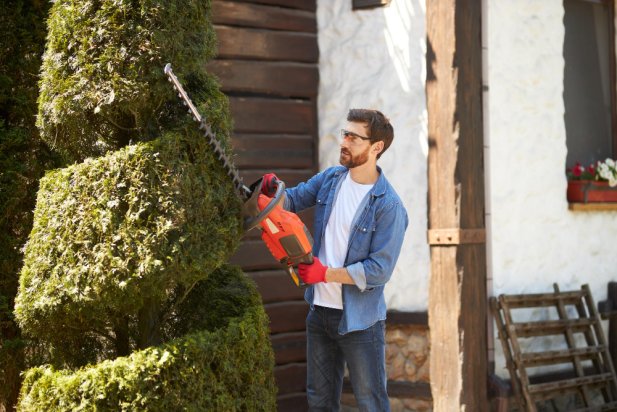
Trees with healthy structure do not require removal. In areas like Canberra suburbs, trimming the tree branches strategically gets rid of the weight on driveways, roofs and power lines without damaging the whole canopy. Foliage thinning will also help strong winds during summer storms blow through without causing limb falls during the heat wave.
- Protecting Canopy Health and Garden Sunlight
Trimming is not only about protecting your gutter system. Dead wood and overly dense branches prevent sunlight from reaching the inside parts of the tree, leading to fungal damage. Removal of dead wood allows the tree to use its energy for healthy development and also brings light to your lawn, garden, and solar panels. If you don’t know whether thick branches can stay alive, you should contact a qualified arborist in Canberra.
Signs That Indicate Tree Removal Is Necessary
- Structural Trunk Damage and Internal Decay
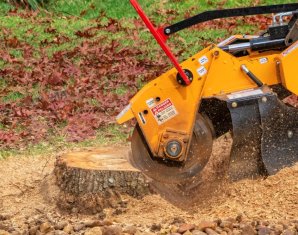
There are cases wherein cutting will not solve the problem of making an unsafe tree safe. Vertical splits along the tree trunk, internal cavities, and fungi near the base of the tree are indications that there is extensive internal rot. During the unexpected storms of Canberra summer, a tree with rotten heartwood can be expected to break off and uproot. Likewise, if there is an abrupt lean after winter rains due to saturated soils on a large tree, then there may be problems with the root plate. In such cases, cutting down the tree is the only solution.
- Invasive Root Systems and Severe Pest Damage
The roots of older trees tend to raise driveways, crack foundations, and infiltrate the sewers. Cutting large invasive roots would cause the death of a tree and result in the total elimination of the tree. Termite and borer infestations also tend to affect wood. Understanding that regular tree maintenance is important allows property owners to spot root invasion or pest activity early, before hazardous removal becomes the only option.
Navigating ACT Tree Regulations and Permits
- Understanding Regulated Trees in Canberra
It is always advisable to consider ACT environmental laws before felling any tree. According to the Urban Forest Act 2023, trees growing in leased residential areas are considered protected if the girth of their trunks exceeds 300 millimetres when measured one metre above the ground level. And you need permit, before you make any major changes in it.
- Permit Exemptions and Urgent Hazard Protocols
Not every tree removal process demands extensive applications for permits. The ACT model gives exceptions to trees proven to be dead, declared to be an invasive pest plant or posing a documented danger to lives and property. In emergencies where, say, a tree has been blown off by a storm and is hanging above the roof of a bedroom, such action can be taken immediately. But it is always safer to take pictures and seek expert opinion before any tree removal action commences.
Choosing the Right Strategy for Your Property
- Balancing Safety, Aesthetics, and Long-Term Value
The choice between pruning and removing is based on risk management and personal lifestyle choices. Should the tree have a healthy trunk and root system, pruning allows you to maintain the presence of that tree's natural characteristics in providing shade, privacy, and a distinctive look to your street. But allowing an unhealthy tree to stay puts you at great risk.
Conclusion:
To make it easier for you to decide, ask three simple questions to yourself. Does the problem lie in some overhanging or dead branches? If so, pruning by a professional should do the job. Are there signs of rot in the trunk, severe leaning, or damage to the roots at the footings? Then probably tree removal is required. Lastly, does your tree fall within the size limitations under ACT legislation? Answering these questions will lead you to take the right steps, protect your property value, and keep your backyard safe through every Canberra season.