
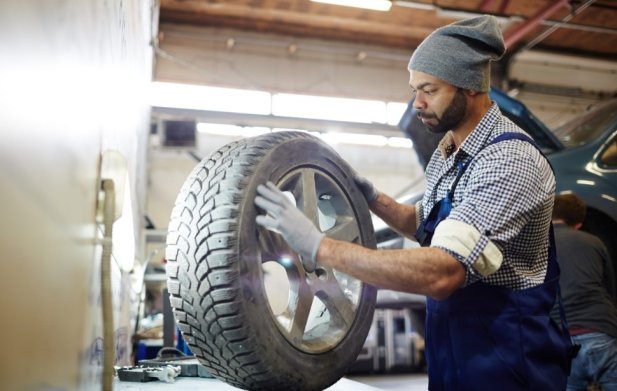

The automotive industry is evolving faster than ever, creating new opportunities for skilled professionals. Whether it’s electric vehicles, diagnostic technology, or advanced repair systems, today’s automotive repair sector demands both technical expertise and adaptability. If you’ve recently completed or are planning to take a car mechanic course, you’re stepping into a world full of exciting and diverse career paths. Let’s explore some of the best options you can pursue after your mechanic training and how you can shape your future in this dynamic field.
Becoming a General Auto Mechanic
The most straightforward career path after completing your car mechanic course is working as a general auto mechanic. These professionals diagnose and repair a variety of vehicle problems, from engine malfunctions to brake failures. They are the go-to experts for car owners who need reliable maintenance and repair services.
As a general mechanic, you’ll gain hands-on experience with various car models, tools, and repair techniques. The role requires strong problem-solving skills and technical knowledge of engines, transmissions, and electrical systems. Over time, you can advance your career by specializing in certain vehicle types or moving into supervisory positions at repair shops.
The demand for qualified general mechanics continues to rise, especially as vehicles become more complex. Employers value those who have undergone structured training, making your car mechanic course certification a valuable asset in securing your first job.
Specializing in Vehicle Diagnostics
As modern cars become increasingly computerized, diagnostic specialists have become crucial in the repair industry. This role involves using advanced diagnostic equipment to detect issues that are not visible during a standard inspection.
After completing your mechanic training, you can specialize in electronic diagnostics, learning how to read error codes, analyze sensor data, and identify system faults. This expertise is particularly valuable in dealerships and modern auto repair centers, where vehicles rely heavily on electronic systems.
Diagnostic specialists often command higher salaries due to their advanced technical skills. Continuous learning is vital in this field, as car manufacturers regularly update their technology. Your background from a car mechanic course gives you the foundation to master these high-tech tools and stay relevant in the ever-changing automotive world.
Working as an Electric Vehicle (EV) Technician
Electric vehicles are no longer the future—they’re the present. As the world shifts toward sustainable transportation, EV technicians are in high demand. This role focuses on repairing and maintaining electric drivetrains, batteries, and charging systems.
After completing a car mechanic course, you can pursue further certification or on-the-job training in electric vehicle technology. EV technicians must understand high-voltage safety, battery management systems, and electrical circuitry. It’s a cutting-edge specialization that offers excellent career prospects and job security.
Many traditional mechanics are transitioning to EV work because it combines their existing skills with modern innovations. As governments and car manufacturers continue to promote electric mobility, becoming an EV specialist could be one of the smartest moves for your career.
Becoming a Body and Paint Technician
Not every automotive career revolves around engines and electronics. Some professionals prefer the creative and detail-oriented world of vehicle body repair and painting. After your car mechanic course, you might decide to branch into this area, especially if you enjoy hands-on craftsmanship.
Body and paint technicians repair damaged car exteriors, restore structural integrity after collisions, and ensure that vehicles look as good as new. They work with materials like fiberglass, metal, and specialized paints. With precision and artistry, these professionals play a vital role in the automotive repair process.
This career path also offers opportunities for self-employment. Many technicians start their own body shops, catering to clients who need custom paint jobs or collision repairs. It’s a rewarding mix of art and mechanics.
Becoming a Service Advisor or Workshop Manager
If you have strong communication and organizational skills, you can move beyond the repair floor and into customer-facing roles. Service advisors act as the bridge between clients and mechanics, explaining technical issues in simple terms and ensuring customer satisfaction.
After completing a car mechanic course, your technical background gives you an advantage in understanding both the customer’s concerns and the technician’s diagnosis. With experience, you could progress into a workshop manager position, overseeing operations, managing teams, and maintaining quality standards.
These roles are ideal for professionals who enjoy leadership and client interaction. Plus, they often come with higher pay and better career growth opportunities.
Exploring Self-Employment and Entrepreneurship
One of the biggest advantages of becoming a qualified car mechanic is the freedom to start your own business. Once you gain enough experience, you can open a local auto repair shop, offer mobile repair services, or specialize in a specific area such as tire services, oil changes, or diagnostics.
Owning your own workshop gives you complete control over your work schedule and income. You can also build a personal brand that attracts loyal customers. Many successful entrepreneurs in the automotive field began their journey after completing a car mechanic course, gradually building their reputation through quality service and word-of-mouth marketing.
However, entrepreneurship also requires business skills — such as marketing, budgeting, and customer relations. Combining your mechanical expertise with basic business training can help you thrive as an independent professional.
Advancing into Automotive Engineering or Teaching
For those who want to take their career to the next level, advancing into automotive engineering or teaching could be the perfect choice. After gaining hands-on experience as a mechanic, you can pursue higher education to become an automotive engineer, working on vehicle design, innovation, and safety systems.
Alternatively, you could become an instructor, sharing your knowledge with new students who want to join the automotive field. Many vocational institutes and colleges hire experienced mechanics to teach practical courses. This is a fulfilling way to give back to the industry while continuing to grow professionally.
The foundation you build during your car mechanic course will give you the technical understanding and confidence needed to take on these advanced roles.
Conclusion
A career in automotive repair offers endless opportunities for growth and specialization. Whether you want to work with traditional cars, electric vehicles, or even manage your own repair business, the skills gained from a car mechanic course can open multiple doors.
By identifying your strengths and pursuing continuous learning, you can shape a rewarding and future-proof career. The automotive world is always evolving — and with the right training and passion, you can be at the forefront of that change.


















Architectural wonders reveal both grandeur and purpose. Every dome, column, and arch carries spiritual symbolism—unity, eternity, and explore the best of rome ascension—reflecting humanity’s pursuit of divine perfection through precise geometry and celestial alignment.