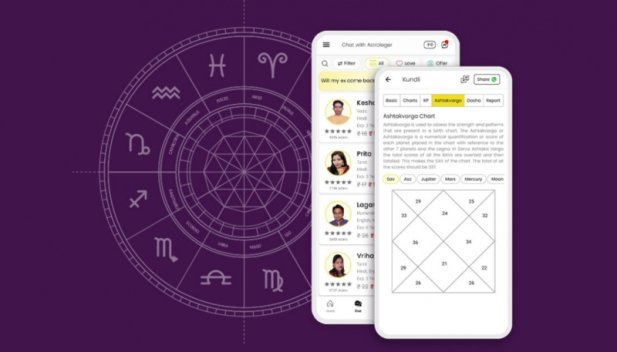

The demand for astrology apps has skyrocketed as users increasingly turn to digital platforms for personalized insights and daily guidance. While the market offers huge potential, many developers face challenges that hinder the success of their astrology apps. From poor strategy to unclear cost planning and weak roadmap integration, these pitfalls can significantly affect performance, engagement, and profitability.
Let’s explore the most common mistakes businesses make when building astrology apps and how to avoid them.
Lack of Market Understanding
Many developers start building astrology apps without truly understanding their audience. Astrology in India, for example, has deep cultural and regional variations. A one-size-fits-all approach often fails because users expect local language options, specific astrological systems, and personalized features. Before beginning development, it’s essential to conduct research on target demographics, their beliefs, and the type of astrology they follow. This understanding forms the foundation for accurate features, user engagement, and market success.
Poor Feature Planning
Astrology apps are more than daily horoscope generators. Users expect a range of features, including Kundli creation, matchmaking, live astrologer consultations, and AI-based predictions. Failing to plan these features in advance leads to a confusing user experience or an incomplete product. Each feature should serve a purpose and connect smoothly with the others. It’s also important to decide early whether the app will support multiple languages, live streaming, or subscription-based models. Proper planning avoids unnecessary revisions and cost overruns later.
Ignoring Strategy and Monetization Models
A clear strategy defines how your astrology app will attract and retain users while generating revenue. Many apps fail because they focus solely on design and functionality, overlooking monetization strategies such as premium consultations, in-app purchases, or ad integration. Without a strong strategy, even the best-designed apps struggle to sustain growth. The key is to balance user value and profitability—offering meaningful services while maintaining affordability.
Underestimating Development Costs
A major pitfall in astrology app development is misjudging costs. Developers often start without a realistic budget, leading to financial constraints midway. Costs depend on factors like app complexity, number of features, UI/UX quality, and third-party integrations. Simple apps may cost around $8,000 to $12,000, while advanced apps with AI or live consultations can go up to $50,000. Clear cost planning and resource allocation are crucial for timely delivery and consistent quality.
To understand detailed cost breakdowns and step-by-step planning, refer to this complete guide on astrology app development.
Weak Roadmap Integration
A structured roadmap helps transform your astrology app idea into a tangible product. Many projects fail because developers jump into coding without defining milestones, timelines, or testing phases. A proper roadmap includes clear steps: market analysis, wireframing, design, core development, testing, launch, and marketing. Integrating this roadmap into your workflow ensures that every stage aligns with business goals, keeping the project on track and within budget.
Overlooking Localization
Localization is not just about translation; it’s about adapting the app to fit local cultures and user preferences. Astrology apps that ignore this aspect often fail to connect with diverse audiences. Developers should include support for regional calendars, multiple languages, and culturally relevant designs. This small step can significantly increase engagement and app adoption, especially in a multilingual market like India.
Neglecting Post-Launch Optimization
Launching the app is not the end of the journey. Regular updates, bug fixes, and user feedback integration are essential for long-term success. Many developers overlook the importance of continuous improvement, resulting in declining engagement over time. Monitoring analytics, optimizing performance, and adding new features help maintain user trust and satisfaction.
The Role of Mobile App Development in Growth
Strong mobile app development practices are vital for ensuring scalability, speed, and security. Developers should focus on building a robust backend, responsive front-end design, and secure data handling. Partnering with an experienced development team ensures smooth integration of astrology algorithms, APIs, and payment systems. In a competitive market, technical excellence can set your app apart from others.
Final Thoughts
Building an astrology app that resonates with users requires more than technical skills—it demands cultural insight, strategic planning, and continuous innovation. Avoiding common pitfalls in strategy, cost estimation, and roadmap integration can save time, resources, and frustration. With the right approach, your astrology app can offer users not only predictions but also a seamless and trusted digital experience that connects tradition with technology.