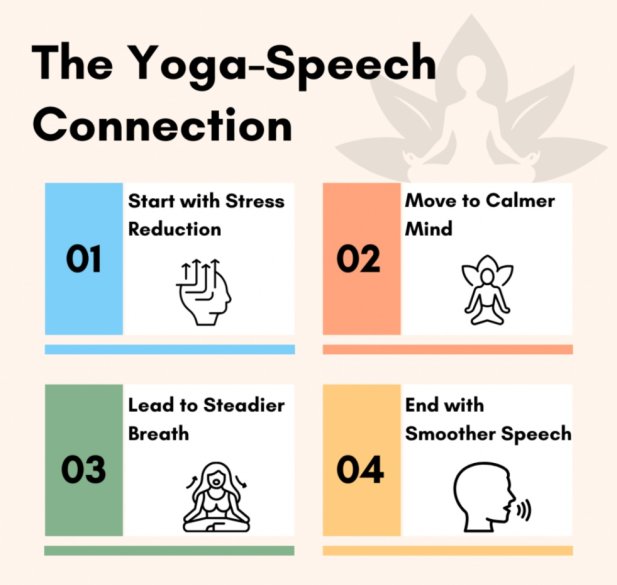

Wellness routines often work best when they fit naturally into everyday life. For people who stutter, this might mean taking a walk after work, stretching before bed, practising a favourite hobby, or spending a few minutes in quiet reflection. Yoga is another option that may support general well-being through gentle movement, breathing awareness, and relaxation.
However, yoga should not be approached as a way to correct a person's speech or guarantee fluency. Stuttering is a complex condition, and an effective wellness routine should respect the individual rather than suggest that they must change themselves to deserve comfortable communication.
Why a Mind-Body Routine May Be Valuable
Living with any ongoing challenge can make it easy to focus on what feels difficult. A person who stutters might spend considerable time anticipating speaking situations or thinking about how a conversation went afterwards. Others may not experience these concerns but still appreciate a routine that supports physical comfort.
Yoga can offer a planned opportunity to slow down, move comfortably, and notice how you feel. For some people, that experience may help them manage everyday stress.
These benefits are separate from the question of whether yoga reduces stuttering. Evidence for yoga as a direct stuttering intervention remains limited, and the results of small preliminary studies should not be interpreted as a guarantee.
Creating a Routine That Fits Your Life
Start With a Realistic Goal
You do not need to commit to a long daily session. Begin with five or ten minutes once or twice a week, or another schedule that feels manageable.
Choose a routine that fits around your existing responsibilities. If you prefer movement in the morning, try a short session after waking. If evenings suit you better, use yoga as an opportunity to unwind.
The best routine is one you can enjoy without feeling guilty when you miss a day.
Choose Comfortable Movements
A beginner-friendly session might include seated shoulder rolls, gentle side stretches, supported standing, and a few minutes of comfortable rest.
You can practise in a chair if getting down to the floor is difficult. You can also skip poses that cause discomfort or require more balance than you feel comfortable managing.
Yoga should not be painful. If you have an injury, balance concerns, or a medical condition that affects movement, ask a qualified healthcare professional about appropriate modifications.
Keep Breathing Natural
Breathing awareness can be part of yoga, but there is no need to force deep breaths or hold your breath for extended periods.
Let your breathing remain comfortable. If focusing on it makes you dizzy, anxious, or uncomfortable, stop the exercise and return your attention to your surroundings.
Remember that stuttering is not simply the result of incorrect breathing. You do not have to control every breath to communicate effectively.
Connecting Wellness With Communication Goals
If you want to feel more comfortable speaking in particular situations, think about how your wellness routine might support your overall day.
For example, you could practise gentle stretching before a meeting because you enjoy how it feels. You might then review your notes and focus on the contribution you want to make.
If you are preparing for a presentation, a relaxing routine may help you settle into the activity. You can still expect some nervousness, and you may still stutter. Neither outcome means that your preparation was wasted.
Avoid setting rules such as needing to complete yoga before making a phone call or waiting until you feel completely calm before speaking. Such rules can make everyday communication feel more demanding.
Combining Yoga With Speech Therapy
Yoga and speech therapy serve different purposes. Yoga may support general well-being, while a speech-language pathologist can help you address individual communication goals.
Depending on your needs, speech therapy may involve learning speech techniques, exploring moments of stuttering, improving communication confidence, or working towards greater participation in particular settings.
You can tell your clinician that you practise yoga and ask whether any elements fit your goals. If you notice that a particular activity affects your comfort during speaking, share that observation without assuming it will work the same way in every situation.
A qualified clinician can help you decide how to practise safely and usefully.
Track Well-Being Without Turning It Into a Test
If you want to understand whether yoga is useful for you, keep your observations simple. After a session, ask yourself:
-
Did I enjoy the movements?
-
Did I feel more comfortable in my body?
-
Was the routine easy to fit into my day?
-
Would I like to practise it again?
You do not need to measure every stutter before and after yoga. Speech naturally varies across settings, and a short session cannot establish whether yoga has changed your fluency.
You can stop or modify the routine if it does not suit you. Wellness activities should be chosen for their value to you, not because you feel obliged to try every possible technique.
Making Space for Self-Acceptance
A sustainable wellness routine should support your life rather than make you feel that you are a project that needs fixing.
You can work towards communication goals and accept your current speech at the same time. You can seek treatment, practise techniques, and still recognise that stuttering does not define your intelligence, personality, or value.
Give yourself permission to enjoy activities without expecting them to produce a particular speech outcome.
Conclusion
Yoga may be a helpful addition to a personal wellness routine for some people who stutter, particularly when it encourages comfortable movement, awareness, and relaxation. It is not a guaranteed stuttering treatment and should not replace professional support when that support is needed.
For more information, explore Yoga for Stuttering. Build a routine that fits your needs, remain flexible about its benefits, and remember that your right to communicate does not depend on how fluently you speak.